


Hiring a skip bin is often one of the simplest ways to manage waste during a home renovation, clean-up, or landscaping project. The tricky part is choosing the right size. A bin that is too small might require another collection, while a much larger bin could take up unnecessary space and cost more than needed.
Skip bins come in different capacities to suit different amounts and types of waste. The right choice depends on the scale of the project, the materials being removed, and how much waste you expect to produce.
Why Skip Bin Size Matters
Skip bin capacity is generally measured in cubic metres. A small bin might suit a bathroom clean-up or minor garden project, while larger bins are designed for substantial renovation and construction waste.
Choosing the right capacity is important for more than convenience. The bin needs to accommodate the waste without being overloaded or filled beyond the permitted level.
An undersized bin often means waste needs to be removed in stages. This adds another collection or replacement to the project and might increase the overall cost.
A bin that is too large also presents practical issues. Larger bins require more space on the property or road and might not be suitable for locations with restricted access.
The best approach is to estimate the amount of waste before ordering. A skip bin size comparison can also help you assess the available capacities and choose an option that suits the expected volume of waste.
Common Skip Bin Sizes
Skip bin sizes vary between suppliers, so the exact dimensions and available capacities differ. In general, household and renovation bins are offered in several standard capacity ranges.
Small Skip Bins
Smaller bins are useful for projects producing a relatively modest amount of waste. They are often suitable for clearing out a single room, removing old household items or completing a small garden tidy-up.
A small bin also works well when there is limited space for placement. However, the type of waste still needs to be considered because some materials take up more room than others.
For example, a small quantity of broken tiles might be considerably heavier than a similar volume of lightweight household waste.
Medium Skip Bins
Medium-sized bins are commonly used for larger household clean-ups and renovation projects. They provide additional capacity without requiring the footprint of the largest bins.
This size range might suit projects involving several rooms, moderate amounts of building waste, flooring removal or a more substantial garden renovation.
If a project involves several different types of waste, estimating the total volume is particularly important. Packaging, broken materials and general rubbish can quickly occupy more space than expected.
Large Skip Bins
Large bins are generally intended for major renovations, construction work, property clear-outs and substantial landscaping projects.
They provide considerably more capacity, making them suitable when large quantities of waste are being removed at once. However, their larger dimensions require more planning before delivery.
Check that there is sufficient room for the bin and that the delivery vehicle has suitable access. The placement area should also be reasonably level and free from obstacles.
Match the Bin to Your Project
The easiest way to narrow down your options is to consider what type of project you are undertaking.
A small bedroom clean-out is unlikely to produce the same amount of waste as a full kitchen renovation. Similarly, removing garden waste from a small yard differs significantly from clearing vegetation and soil from a large property.
Bathroom Renovations
Bathroom renovations often produce a mixture of tiles, fixtures, cabinetry, flooring and other materials. Although the overall volume might appear modest, dense materials such as tiles and ceramics add considerable weight.
If the project involves removing a bathroom down to its original structure, discuss the waste materials with the skip bin provider before choosing a size.
Kitchen Renovations
Kitchen renovations often involve cabinetry, benchtops, flooring, appliances and packaging. The amount of waste depends on whether the kitchen is being partially updated or completely removed.
Large cabinets also take up considerable space unless they are dismantled before disposal. Breaking down bulky materials where appropriate helps make better use of the available bin capacity.
Garden Clean-Ups
Garden projects produce a different type of waste. Branches, leaves, grass, weeds and other green waste can take up substantial volume.
Large branches and bulky vegetation should be considered when estimating the required capacity. Some suppliers also have separate requirements for green waste, so it is important to confirm what materials are accepted before ordering.
House Clean-Outs
Moving house, preparing a property for sale or clearing an inherited property can generate a mixture of household items and general rubbish.
Furniture, mattresses, boxes and other bulky items often occupy more space than expected. A larger bin might therefore be appropriate even when the total weight of the waste is relatively low.
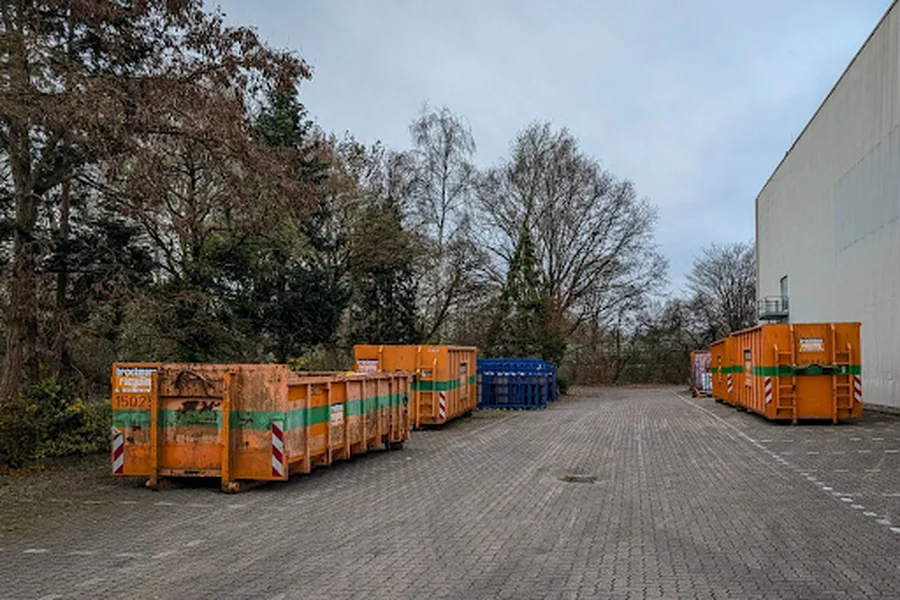
Consider the Type of Waste
Volume is only one part of choosing a skip bin. The material itself also matters.
General household rubbish, green waste, concrete, bricks, soil and mixed renovation waste have different handling requirements.
Heavy materials require particular attention because skip bins have weight limits as well as volume limits. Filling a bin with dense construction materials might reach its weight limit before the container looks full.
If your project involves concrete, bricks, soil, rubble or other heavy materials, tell the supplier what you are disposing of. They can explain which bin type and capacity are suitable for the material.
Some waste types are also restricted or prohibited. Asbestos, chemicals, certain liquids, gas bottles and other hazardous materials often require specialised disposal arrangements.
Ask About the Hire Period
Skip bin hire periods differ between providers. Some projects need a bin for only a few days, while larger renovations require it for longer.
Consider how quickly waste will be generated and how long the clean-up is expected to take. Booking a bin too early could result in it occupying valuable space before the work begins.
For renovation projects, coordinate delivery with the start of demolition or removal work where possible. This helps keep waste under control throughout the project.
What If You Are Unsure About the Size?
Estimating waste volume is not always straightforward. Renovation waste is often unpredictable, especially when walls, flooring or old fixtures are removed.
If you are between two sizes, explain the project to the skip bin provider. Give details about the rooms being cleared, materials being removed, and approximate quantities.
A supplier familiar with different types of household and construction waste can help identify a suitable capacity.
It is also useful to provide photographs or measurements when requesting advice, particularly for larger projects.
Conclusion
Choosing the right skip bin size starts with understanding the amount and type of waste your project will produce. Small bins suit minor clean-ups, while medium and large options provide additional capacity for renovations, construction work, property clear-outs and substantial landscaping.
Weight limits are just as important as volume, particularly when disposing of soil, concrete, bricks and other heavy materials. You also need to consider access, placement space, permitted waste types and the required hire period.
Rather than choosing the cheapest available option, estimate the waste carefully and discuss your project with the supplier. A suitable skip bin size makes waste removal more manageable and helps prevent unnecessary collections or unused capacity.
