

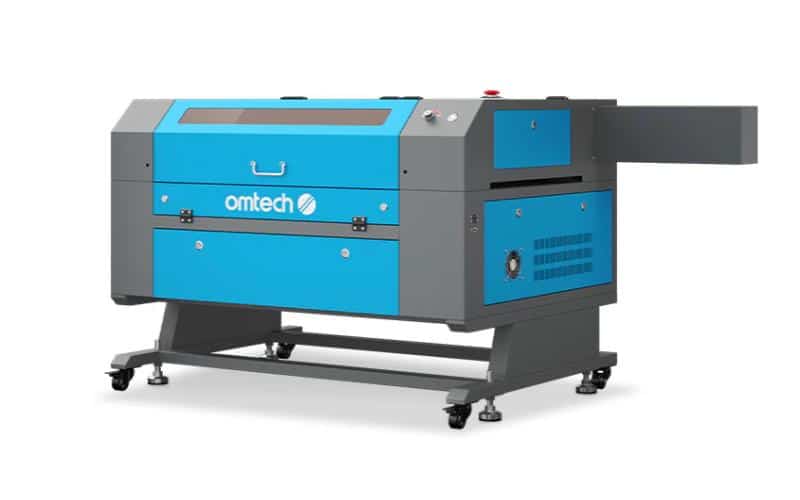
In the realm of modern manufacturing and personalized artistry, laser engraving machines have emerged as game-changers. These powerful tools blend technology and creativity, enabling the precise etching of designs onto a variety of materials. Whether you are a hobbyist, artist, or industrial manufacturer, laser engraving machines offer unmatched precision, efficiency, and versatility. In this blog, we will delve into the world of laser engraving machines, exploring their functionality, applications, benefits, and why they are a must-have tool in today’s creative and industrial landscapes.
What is a Laser Engraving Machine?
A laser engraving machine uses a concentrated beam of light to etch designs onto the surface of a material. This high-powered beam vaporizes the material, creating a cavity that forms the desired pattern or text. The process is controlled by a computer, which ensures high accuracy and repeatability.
Key Components of a Laser Engraving Machine
- Laser Source: The type of laser (CO2, fiber, or diode) that determines the range of materials and the engraving quality.
- Control System: Software and hardware that guide the laser’s movements and control the engraving parameters.
- Optical System: Lenses and mirrors that focus and direct the laser beam onto the material.
- Work Area: The platform where the material is placed for engraving.
- Cooling System: Keeps the laser and other components at optimal temperatures to prevent overheating.
How Does a Laser Engraving Machine Work?
Laser engraving machines operate by directing a laser beam onto the surface of the material. The intensity and focus of the laser are adjusted based on the material and desired outcome. Here’s a step-by-step breakdown of the process:
- Design Creation: The design or text to be engraved is created using specialized software. This can include vector graphics, images, or text.
- Material Placement: The material to be engraved is placed on the work area of the machine.
- Parameter Setting: Engraving parameters such as laser power, speed, and resolution are set based on the material and design requirements.
- Engraving Process: The laser beam is directed onto the material, vaporizing its surface to create the engraving. The movement of the laser is controlled by the software to follow the design precisely.
- Final Touches: After engraving, the material may undergo cleaning or finishing processes to enhance the appearance of the engraved design.
Applications of Laser Engraving Machines
1. Personalized Products
Laser engraving machines are widely used to create personalized items such as custom jewelry, engraved photo frames, and bespoke gifts. The precision of laser engraving ensures that even the smallest details are captured, making each item unique and special.
2. Industrial Marking
In the industrial sector, laser engraving machines are used for marking components with serial numbers, barcodes, and logos. This helps in product identification, traceability, and quality control. The durability of laser-engraved marks ensures they remain legible even under harsh conditions.
3. Art and Craft
Artists and crafters use laser engraving machines to create intricate patterns and designs on various materials. From fine art pieces to detailed models, the ability to precisely control the laser allows for detailed and complex creations.
4. Signage and Awards
Laser engraving machines are ideal for producing high-quality signs and awards. The ability to engrave on different materials such as acrylic, metal, and wood makes it a versatile option for creating professional and aesthetically pleasing signs and plaques.
5. Medical Devices and Instruments
In the medical field, laser engraving machines are used to mark surgical instruments and medical devices with unique identifiers. This ensures traceability and compliance with regulatory standards, enhancing patient safety.
Benefits of Using Laser Engraving Machines
- Precision and Accuracy: Laser engraving machines offer unparalleled precision, allowing for the creation of highly detailed designs.
- Versatility: They can be used on a wide range of materials, including metals, plastics, wood, glass, and leather.
- Durability: Laser-engraved marks are permanent and resistant to wear and tear, ensuring longevity.
- Efficiency: The process is fast and can be easily automated, increasing productivity.
- Minimal Material Waste: Laser engraving is a non-contact process, reducing material wastage and damage.
Conclusion
Laser engraving machines have revolutionized the way we create and personalize items. Their precision, versatility, and efficiency make them indispensable tools across various industries and creative fields.
Whether you’re looking to produce intricate art pieces, personalized gifts, or industrial components, a laser engraving machine can transform your ideas into reality with unmatched accuracy and detail.
As technology continues to advance, the capabilities of laser engraving machines will only expand, offering even more possibilities for innovation and creativity. Embrace the power of laser engraving and watch your projects come to life with precision and artistry.
