

Introduction
As a responsible dog owner, it’s essential to understand when and why to use a muzzle for your furry companion. Muzzles are often misunderstood and stigmatised, but they can be valuable tools in ensuring the safety of your dog and those around them. In this comprehensive guide, we’ll explore the various reasons for using a dog muzzle and provide insights on how to introduce and use them effectively.
What is a Dog Muzzle?
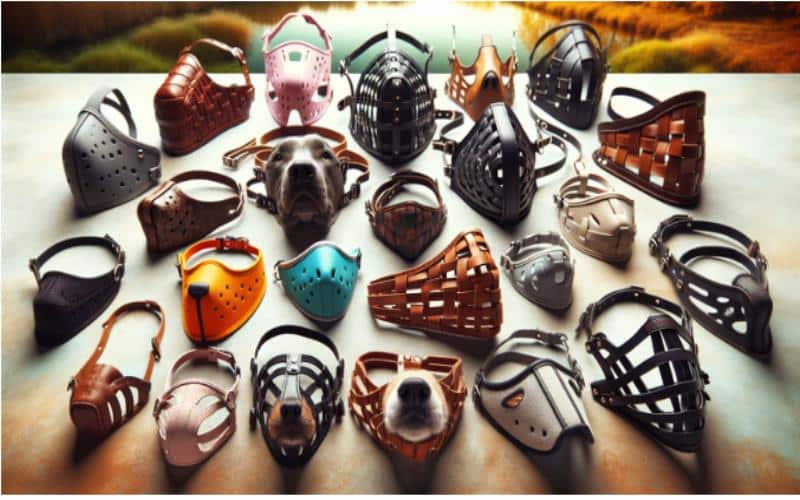
A dog muzzle is a device that covers a dog’s snout, preventing them from biting, barking excessively, or eating undesirable objects. Muzzles come in various styles and materials, including basket muzzles, soft muzzles, and nylon muzzles. It’s crucial to choose a muzzle that allows your dog to breathe, pant, and drink water comfortably.
Reasons for Using a Muzzle
1. Preventing Bites
One of the primary reasons for using a muzzle is to prevent bites. If your dog has a history of aggression or has shown signs of fear or anxiety that may lead to biting, a muzzle can be a necessary precaution. Muzzles can also be used during veterinary visits or grooming sessions to ensure the safety of the professionals handling your dog.
2. Complying with Legal Requirements
In some areas, certain dog breeds are required by law to wear muzzles in public spaces. These breed-specific legislation (BSL) laws are often controversial, but it’s essential to comply with them to avoid legal consequences. If you’re unsure about the regulations in your area, consult your local animal control office or veterinarian.
3. Preventing Unwanted Ingestion
Dogs are curious creatures and may be tempted to eat or chew on harmful objects during walks or outdoor activities. A muzzle can prevent your dog from ingesting toxic substances, garbage, or small animals that could cause digestive issues or other health problems.
4. Managing Excessive Barking
While muzzles should not be used as a long-term solution for excessive barking, they can be helpful in situations where temporary noise control is necessary. For example, if you’re staying in a hotel or visiting someone’s home, a muzzle can prevent your dog from disturbing others with excessive barking.
Choosing the Right Muzzle
1. Size and Fit
When selecting a muzzle for dogs, it’s crucial to choose the right size and fit. A muzzle that is too small can be uncomfortable and restrict breathing, while a muzzle that is too large may not be effective in preventing bites or unwanted behaviours. Measure your dog’s snout length and circumference to ensure a proper fit.
2. Material and Style
Muzzles are available in various materials, including leather, nylon, and plastic. Basket muzzles are popular for their durability and comfort, as they allow dogs to pant, drink, and receive treats. Soft muzzles are lightweight and more comfortable for short-term use, but they may not be as secure as basket muzzles.
3. Comfort and Safety
Always prioritise your dog’s comfort and safety when choosing a muzzle. Look for muzzles with soft padding, adjustable straps, and adequate ventilation. Avoid muzzles that restrict your dog’s ability to breathe, pant, or drink water, as this can lead to distress and health issues.
Introducing the Muzzle
1. Positive Association
To help your dog accept the muzzle, it’s essential to create a positive association with it. Start by showing your dog the muzzle and offering treats, praise, and affection. Gradually progress to touching the muzzle to your dog’s snout and rewarding them for their calm behavior.
2. Gradual Desensitization
Once your dog is comfortable with the presence of the muzzle, begin the process of gradual desensitization. Place the muzzle on your dog’s snout for a few seconds, then remove it and offer rewards. Gradually increase the duration of muzzle wear, always ensuring that your dog remains calm and comfortable.
3. Consistency and Patience
Introducing a muzzle requires consistency and patience. Practice muzzle training sessions regularly, but keep them short and positive. Never force the muzzle onto your dog or leave them unsupervised while wearing it. With time and positive reinforcement, your dog will learn to accept the muzzle as a normal part of their routine.
Using the Muzzle Effectively
1. Supervision and Monitoring
Whenever your dog is wearing a muzzle, it’s crucial to supervise and monitor them closely. Ensure that the muzzle remains securely in place and that your dog is not experiencing any discomfort or distress. Remove the muzzle if your dog shows signs of anxiety, such as excessive panting, pawing at the muzzle, or attempting to remove it.
2. Limited Duration
Muzzles should not be worn for extended periods, as they can cause discomfort and interfere with your dog’s natural behaviours. Use the muzzle only when necessary, such as during walks, veterinary visits, or in situations where biting or unwanted ingestion is a concern.
3. Positive Reinforcement
Continue to reinforce your dog’s positive association with the muzzle by offering treats, praise, and affection while they wear it. This will help your dog view the muzzle as a neutral or even positive experience, rather than a punishment or source of anxiety.
Addressing Common Concerns
1. Stigma and Misconceptions
Many people view muzzles as a sign of aggression or danger, but this is often a misconception. Muzzles are tools that can help prevent bites and ensure the safety of both dogs and humans. By educating others about the reasons for using a muzzle and demonstrating proper muzzle use, you can help dispel these stigmas.
2. Impact on Socialization
Some dog owners worry that using a muzzle may hinder their dog’s socialisation or cause other dogs to react negatively. While it’s true that some dogs may be initially wary of a muzzled dog, proper introductions and positive interactions can help overcome these challenges. It’s essential to continue socialising your dog while using a muzzle, as this can help prevent the development of fear or aggression.
3. Muzzles as a Training Aid
Muzzles should not be used as a substitute for proper training and behavior modification. While they can be helpful in managing certain behaviors, such as biting or excessive barking, it’s crucial to address the underlying causes of these behaviors through positive reinforcement training and, if necessary, the guidance of a professional dog trainer or behaviorist.
Alternatives to Muzzles
In some cases, alternative solutions may be more appropriate than using a muzzle. These may include:
- Positive reinforcement training to address specific behaviors
- Behavior modification programs under the guidance of a professional
- Management strategies, such as avoiding triggering situations or using physical barriers
- Medication or other therapeutic interventions for dogs with anxiety or aggression issues
It’s essential to consult with a veterinarian or professional dog trainer to determine the best course of action for your individual dog’s needs.
Conclusion
- Muzzles can be valuable tools in ensuring the safety and well-being of dogs and those around them. By understanding when and why to use a muzzle, choosing the right type of muzzle, and introducing it properly, you can help your dog adapt to wearing a muzzle when necessary. Remember to always prioritise your dog’s comfort, safety, and positive experiences while using a muzzle, and seek professional guidance if you have any concerns or challenges along the way.
