

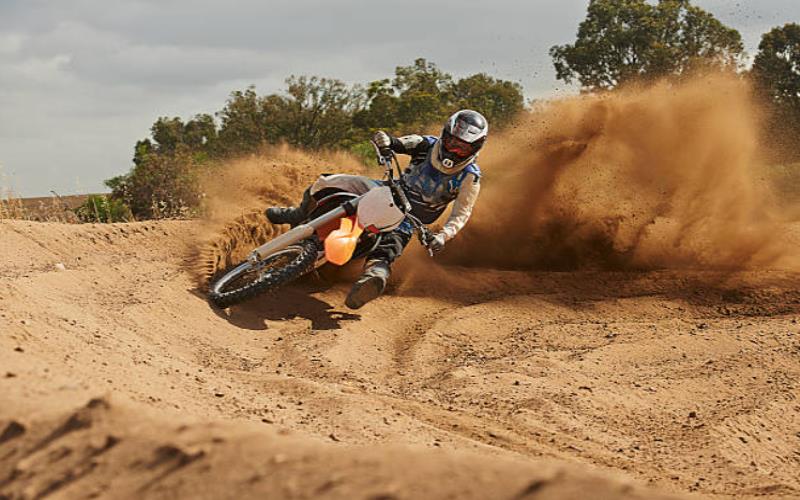
Dirt bikes are off-road motorcycles designed for rugged terrain and adventurous riding. These versatile vehicles come in various types, each tailored to specific riding styles and environments. From high-performance motocross bikes to versatile trail bikes, and even the emerging Electric Dirt Bike models, the world of dirt bikes offers something for every rider. This article will explore the different types of dirt bikes, their key features, riding styles, and how to choose the perfect bike for your needs, including finding the best trail dirt bike for your adventures. We’ll also cover essential safety considerations, maintenance tips, and popular accessories to enhance your off-road experience.
1. Introduction to Dirt Bikes
Dirt bikes are two-wheeled vehicles designed for off-road use. These machines feature rugged construction, knobby tires, and long-travel suspension to handle rough terrain. The history of dirt bikes dates back to the early 20th century when motorcycles were first adapted for off-road use. Today, dirt bikes are used for various purposes, including competitive racing, recreational trail riding, and even practical transportation in rural areas.
Choosing the right dirt bike is crucial for rider satisfaction and safety. Factors to consider include:
- Riding experience and skill level
- Intended use: racing, trail riding, or dual-sport
- Physical size and strength of the rider
- Terrain types you’ll encounter most often
For those primarily interested in off-road exploration, finding the best trail dirt bike is essential for maximizing enjoyment and performance on diverse terrains.
In this article, we’ll cover the different types of dirt bikes, their key components, various riding styles, and how to select the perfect bike for your needs. We’ll also discuss safety gear, maintenance essentials, and popular accessories to enhance your off-road adventures.

2. Types of Dirt Bikes
Dirt bikes come in several distinct categories, each designed for specific riding conditions and styles.
- Motocross Bikes Motocross bikes are built for high-performance racing on closed circuits. These machines feature powerful engines, lightweight frames, and aggressive suspension setups. Motocross bikes excel at jumps, cornering, and high-speed riding on groomed tracks.
- Trail Bikes Trail bikes are designed for versatility and comfort during long rides on varied terrain. These bikes offer a balance of performance and practicality, with features like wider gear ratios and more relaxed ergonomics compared to motocross bikes.
- Enduro Bikes Enduro bikes combine elements of motocross and trail bikes. They are built for long-distance off-road racing and feature enhanced fuel efficiency and street-legal components for competitions that include public roads.
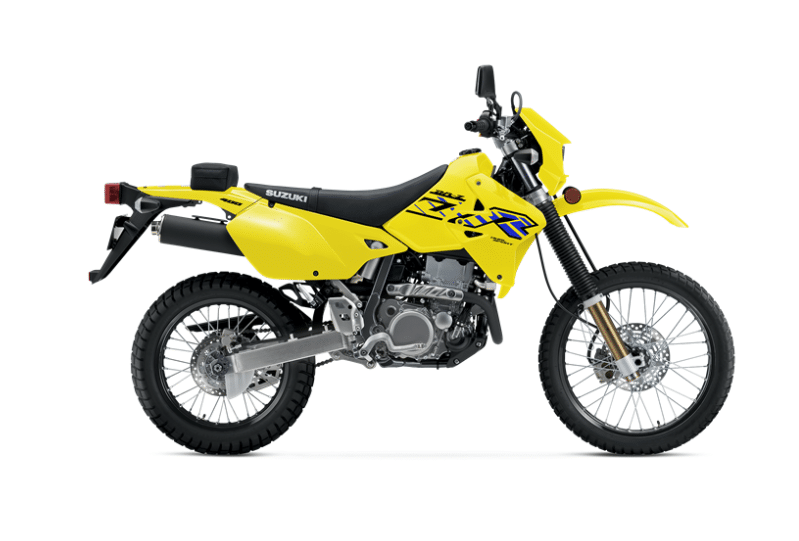
- Dual-Sport Bikes Dual-sport bikes are street-legal motorcycles that can handle both on-road and off-road riding. These versatile machines offer a compromise between dirt and street performance, making them ideal for riders who need to commute on pavement but also enjoy weekend trail rides.
- Youth and Mini Dirt Bikes Youth and mini dirt bikes are scaled-down versions of full-size dirt bikes, designed for younger or smaller riders. These bikes come in various engine sizes and feature simplified controls to help beginners learn proper riding techniques.
| Type | Primary Use | Key Features |
| Motocross | Closed-circuit racing | High-performance, lightweight, aggressive suspension |
| Trail | Recreational off-road riding | Versatile, comfortable, wide gear ratios |
| Enduro | Long-distance off-road racing | Fuel-efficient, street-legal components |
| Dual-Sport | On-road and off-road riding | Street-legal, compromise between dirt and street performance |
| Youth/Mini | Learning and small rider recreation | Scaled-down size, simplified controls |

3. Key Components and Features
Understanding the key components of dirt bikes is essential for making an informed purchase decision and maintaining your machine.
Engine Types and Sizes: Dirt bike engines come in two main types: two-stroke and four-stroke. Two-stroke engines offer high power-to-weight ratios and simpler maintenance, while four-stroke engines provide more linear power delivery and better fuel efficiency. Engine sizes typically range from 50cc for youth bikes to 450cc for professional-level machines.
Suspension Systems: High-quality suspension is crucial for off-road performance and rider comfort. Dirt bikes feature long-travel forks at the front and a shock absorber at the rear. Motocross bikes typically have more aggressive suspension setups, while trail bikes offer more compliant rides for longer journeys.
Frame Designs and Materials: Dirt bike frames are typically constructed from steel or aluminum alloys. Frame geometry affects handling characteristics, with motocross bikes featuring sharper angles for quick turning, and trail bikes offering more relaxed geometries for stability.
Tires and Wheels: Knobby tires are a defining feature of dirt bikes, providing traction on loose surfaces. Wheel sizes commonly range from 16 to 21 inches, with larger front wheels offering better obstacle clearance.
Braking Systems: Most modern dirt bikes use disc brakes for superior stopping power in muddy conditions. High-end models may feature wave-style rotors for improved heat dissipation and self-cleaning properties.
4. Riding Styles and Terrains
Different riding styles require specific bike characteristics and rider skills.
- Motocross and Supercross:
- Fast-paced racing on closed circuits
- Emphasizes jumping, cornering, and sprint speed
- Requires high levels of fitness and technical skill
- Trail Riding:
- Recreational riding on natural terrain
- Focuses on endurance and adaptability to various obstacles
- Involves navigation skills and bike handling over long distances
- Enduro and Cross-Country:
- Competitive long-distance off-road racing
- Combines speed with endurance and technical riding
- Often includes timed special stages and transit sections
- Desert Riding:
- High-speed riding in open, sandy environments
- Requires specialized bike setup for dust and heat management
- Emphasizes navigational skills and endurance
- Freestyle and Stunt Riding:
- Focuses on aerial tricks and technical maneuvers
- Requires specially modified bikes with reinforced components
- Demands high levels of body control and spatial awareness
| Riding Style | Terrain Type | Key Skills Required |
| Motocross | Groomed dirt tracks | Jumping, cornering, start technique |
| Trail | Varied natural terrain | Navigation, obstacle management |
| Enduro | Mixed off-road and occasional road | Endurance, technical riding, time management |
| Desert | Sandy, open landscapes | High-speed control, navigation, heat management |
| Freestyle | Ramps and prepared courses | Aerial tricks, body control, bike manipulation |
5. Choosing the Right Dirt Bike
Selecting the appropriate dirt bike is crucial for rider enjoyment and safety.
Assessing Rider Skill Level: Beginners should start with less powerful bikes that are easier to control. Intermediate riders can handle more powerful machines, while advanced riders may prefer high-performance models suited to their specific riding style.
Considering Intended Use and Terrain: Match your bike to the type of riding you’ll do most often. If you primarily ride trails, a trail bike or enduro model may be ideal. For motocross enthusiasts, a dedicated MX bike is the best choice.
Evaluating Physical Fit and Ergonomics: Proper bike size is essential for control and safety. Riders should be able to touch the ground with the balls of their feet when seated. Handlebar, footpeg, and seat positions should allow for comfortable standing and sitting postures.
Balancing Performance and Maintenance Needs: High-performance bikes often require more frequent maintenance. Consider your mechanical skills and budget for upkeep when choosing a bike.
New vs. Used Bikes: New bikes offer the latest technology and full warranties but come at a higher cost. Used bikes can be more affordable but may require more immediate maintenance or upgrades.
6. Safety, Maintenance, and Accessories
Prioritizing safety and proper maintenance is crucial for enjoyable dirt biking experiences.
Essential Safety Gear:
- Helmet DOT or Snell approved
- Goggles
- Chest protector
- Knee and elbow pads
- Boots designed for off-road riding
- Gloves
Basic Maintenance Tips:
- Regularly clean and lubricate the chain
- Check tire pressure and condition before each ride
- Inspect and clean air filters frequently
- Change oil and other fluids according to the manufacturer’s schedule
- Tighten all bolts and check for loose components
Popular Accessories and Upgrades:
- Handguards
- Skid plates
- Aftermarket exhaust systems
- High-performance air filters
- GPS navigation systems
Environmental Considerations and Regulations: Responsible riding is essential for preserving off-road areas. Always stay on designated trails, respect wildlife, and be aware of local regulations regarding off-road vehicle use.
Joining the Dirt Bike Community: Connecting with other riders can enhance your dirt biking experience. Consider joining local clubs or online forums to share experiences, find riding locations, and learn new skills.
In conclusion, the world of dirt bikes offers a thrilling and diverse range of riding experiences. By understanding the different types of dirt bikes, their key components, and how they relate to various riding styles, you can make an informed decision when choosing your perfect ride. Remember to prioritize safety, maintain your bike properly, and respect the environment to ensure many years of off-road adventures.
