

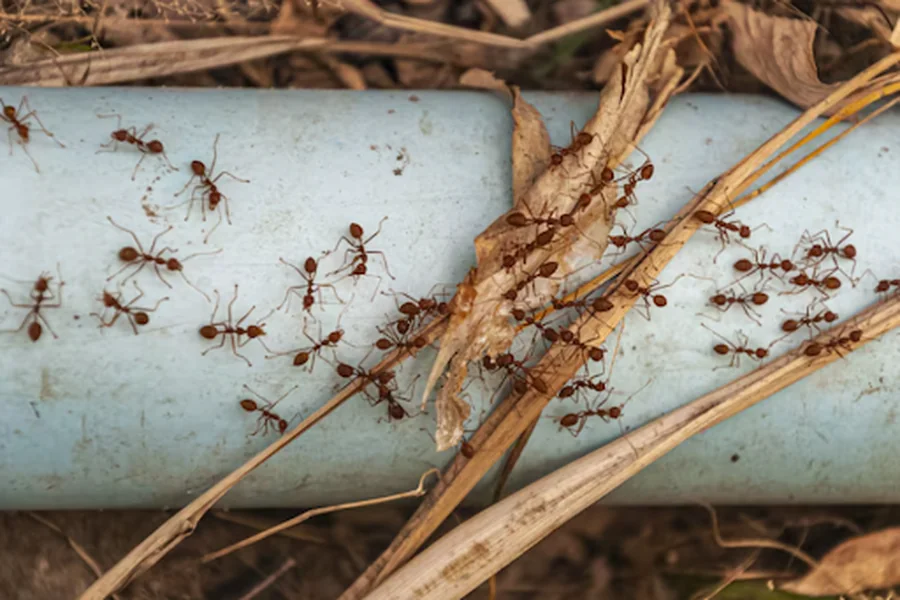
Living near woods, fields, streams, or open land can make your home feel peaceful and private. However, those natural surroundings can also place you closer to habitats that support insects, rodents, ticks, and other pests. When pests search for food, water, or shelter, your property can become part of their route. You may notice more activity around your yard, foundation, windows, or doors.
You cannot remove the natural areas around your property, and you do not need to. Instead, you can manage the conditions that make your home easier for pests to reach or use. Trimming vegetation, reducing outdoor shelter, controlling moisture, and sealing entry points can create a stronger boundary between your home and nearby habitats.
Here are five ways living near nature can increase pest activity and what you can do to reduce those risks.
Vegetation Creates Pest Pathways
Imagine your Berryville home sits beside a wooded area. During warmer months, shrubs may grow toward your siding while tree branches extend over your roof. Dense vegetation gives pests cover as they move through your property and can bring their activity closer to your home.
Plants that touch your house can also create direct routes toward windows, walls, and rooflines. Ants and other insects can use branches, vines, and shrubs as bridges. Overhanging branches may also give rodents and wildlife easier access to roof areas. Research on vegetation around buildings supports the concern that plant growth touching structures can contribute to pest problems.
Keep branches, vines, and shrubs away from your home’s exterior. Give windows, siding, doors, and rooflines enough separation from dense plant growth. If pest activity continues despite these changes, Petti Pest Control of Berryville, VA can help identify possible sources and entry routes.
Natural Areas Provide Pest Shelter

Woods, tall grass, leaf litter, fallen branches, and dense ground cover provide natural shelter for many pests. These conditions protect insects and small animals from weather and predators. When similar shelter exists beside your foundation, pests can establish themselves close to your home.
Your own yard can extend that shelter. Leaf piles, firewood, mulch, and unused outdoor materials can create protected spaces beside exterior walls. Dense landscaping can also provide cool, shaded areas where pests remain active. The closer those hiding places are to your house, the less distance pests need to travel.
Create a cleaner buffer around your home. Keep firewood and leaf piles away from exterior walls, remove unnecessary outdoor clutter, and control excessive ground cover near the foundation. You can preserve natural areas farther from your house while making the immediate perimeter less attractive to pests.
Moisture Supports Pest Activity
Natural surroundings can provide another resource pests need: moisture. Rainwater, streams, damp soil, and shaded vegetation can create favorable conditions around nearby properties. Your home can become even more attractive when outdoor moisture combines with leaks, standing water, or poor drainage.
Mosquitoes are a clear example because they need standing water to reproduce. Other pests also favor damp environments. A wet crawlspace, clogged gutter, leaking faucet, or poorly drained area near your foundation can give pests another reason to remain close to your home.
You can reduce that attraction by managing moisture around your property. Empty containers that collect rainwater and keep gutters clear. Repair outdoor leaks and direct drainage away from your foundation. Removing unnecessary moisture can make the area around your home less favorable for pest activity.
Seasonal Changes Shift Pest Movement
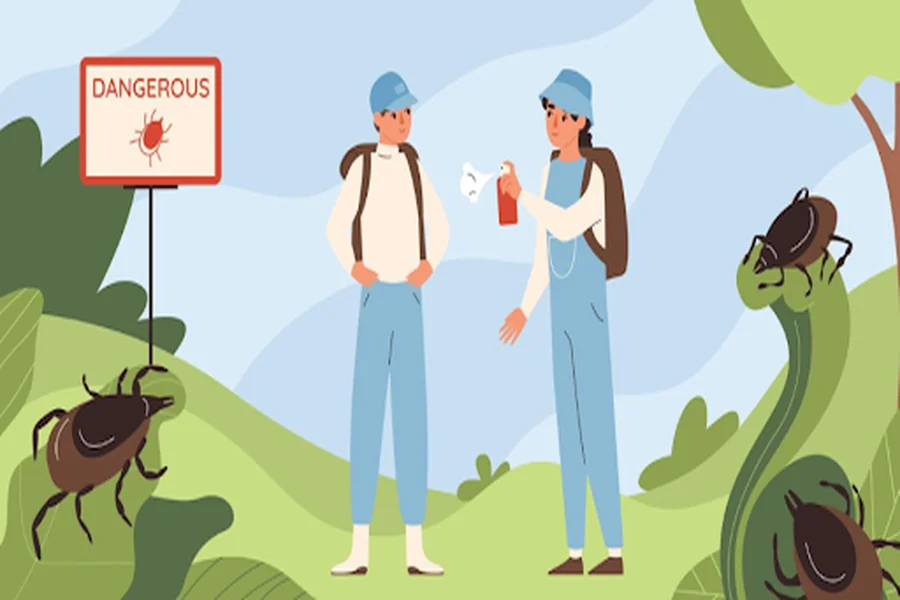
Weather changes can alter where pests search for food, water, and shelter. Warm temperatures can increase insect activity, while heavy rain can create new moisture sources. During dry periods, some pests may move farther in search of water and suitable habitat.
Cold weather can change pest behavior too. Rodents and other pests may seek warmer, protected spaces when outdoor temperatures fall. If your home borders woods or fields, your property may sit along routes pests use while searching for better shelter.
Prepare your home before seasonal activity increases. Check screens, doors, vents, foundations, and roof areas for openings. Remove standing water before mosquito activity rises, and inspect potential rodent entry points before colder weather arrives. Seasonal maintenance can reduce the chance that outdoor pest movement becomes an indoor problem.
Natural Food Sources Attract Pests
Natural areas contain many food sources that support pest populations. Plants, insects, seeds, fruits, organic debris, and wildlife can provide food throughout the year. When your property borders these habitats, pests may have a steady food supply close to your home.
Human activity can add more opportunities. Uncovered trash, pet food, bird feeders, compost, fallen fruit, and food scraps can attract insects and wildlife to your yard. Once pests find reliable food near your home, they have less reason to move elsewhere. That can increase the chance of repeated activity around your property.
Limit food sources around the structure without disturbing the surrounding ecosystem. Keep trash containers closed, clean up fallen fruit, store pet food indoors, and maintain compost properly. If you use bird feeders, keep spilled seed from accumulating near your house. Reducing these food sources can make your property less attractive to pests already living nearby.
Conclusion
Living near nature can increase your home’s exposure to pests because natural areas provide pathways, shelter, moisture, seasonal refuge, and food. Vegetation can help pests reach your structure, while nearby hiding places allow them to remain close. Weather changes can shift their movement, and easy food sources can encourage repeated activity around your property.
Start by managing the boundary between your home and its natural surroundings. Trim vegetation away from the structure, reduce outdoor shelter, control moisture, seal entry points, and remove accessible food sources. You do not have to eliminate nature from your property. You simply need to make your home a less convenient place for pests to reach, feed, and settle.
