

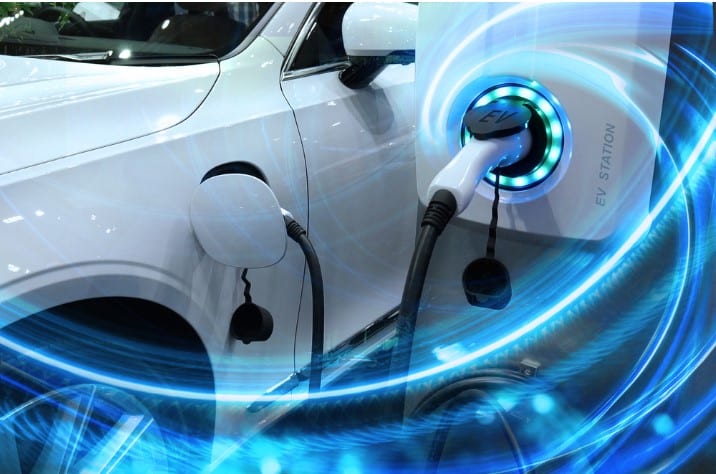
Electric cars, also known as electric vehicles (EVs), have gained immense popularity as sustainable and efficient alternatives to traditional gasoline-powered vehicles. In this blog we will delve into the fascinating world of electric cars, exploring their various types, components, and the intricate process that powers them. One thing you should always remember is that whether you are driving an electric or a hybrid car, maintaining the engine is your utmost job. Engine failure could happen anywhere anytime so go through the vehicle’s guidebook before the situation leads you to buy used auto parts for your vehicle.
We’ll also demystify the charging options and provide a simplified flowchart to help you grasp the fundamental steps in the operation of an electric car. Let us first understand the different types of electric vehicles:
6 Different Types of Electric Vehicles (EVs):
Electric cars come in various types and configurations to suit different driving needs and preferences. Here are some common types of electric vehicles (EVs):
1. Battery Electric Vehicles (BEVs):
- Fully electric with no internal combustion engine.
- Powered solely by electric motors and batteries.
- Zero tailpipe emissions.
2. Plug-in Hybrid Electric Vehicles (PHEVs):
- Combines electric motors and gasoline/diesel engines.
- Can operate in electric-only mode for a limited range.
- Rechargeable from external sources.
3. Hybrid Electric Vehicles (HEVs):
- Combines electric motors and internal combustion engines
- Cannot be charged externally.
- Relies on regenerative braking for battery recharge.
4. Extended Range Electric Vehicles (EREVs):
- Electric motors provide a significant electric-only range.
- Gasoline/diesel engine acts as a generator for extended range.
- Rechargeable from external sources.
5. Fuel Cell Electric Vehicles (FCEVs):
- Uses hydrogen fuel cells to generate electricity.
- Emits only water vapor.
- Limited availability, primarily in select regions.
6. Micro Electric Vehicles (Micro EVs):
- Compact, designed for short urban trips.
- Often smaller and less powerful.
- Popular for urban commuting.
Components Of an Electric Car:
- Electric Engine/Motor: The electric motor is the core component of an EV, responsible for converting electrical energy into mechanical energy to propel the vehicle. It operates on the principle of electromagnetism, generating rotational motion when electric current flows through it. There are various types of electric motors used in EVs, including AC induction motors and permanent magnet motors.
- Inverter: The inverter is a critical component that converts direct current (DC) electricity from the battery into alternating current (AC) to power the electric motor. It also controls the speed and power output of the motor by adjusting the frequency and voltage of the AC.
- Drivetrain: The drivetrain in an EV transfers power from the electric motor to the vehicle’s wheels. Unlike traditional internal combustion engine vehicles with multi-speed transmissions, many EVs use a single-speed transmission or a reduction gear system, simplifying the power transfer process.
- Batteries: The battery pack is a fundamental component of an EV and stores electrical energy. It typically consists of multiple lithium-ion battery cells connected in series and parallel to achieve the desired voltage and capacity. The battery is responsible for supplying power to the electric motor and all other electrical systems in the vehicle.
- Charging: Charging components in an EV include the following:
- Onboard Charger
- Charging Port
- Battery Management System (BMS)
Let us know more about charging in the next section of the blog:
Charging Your Electric Car: Charging an electric car is similar to charging your smartphone but on a larger scale. Electric cars can be charged at home using a standard electrical outlet or at public charging stations. Here’s how it works:
- Level 1 Charging: Level 1 is the slowest of the electric car charging levels for electric cars and can require anywhere from 22 to 40 hours to completely charge a standard battery electric vehicle (BEV) starting from an empty battery. When using a Level 1 charger, each hour of charging will provide your EV with a range increase of approximately 3 to 7 miles.
- Level 2 Charging: Depending on the power output and charge acceptance rate of the car you are charging, a Level 2 charger can be up to 19 times faster than a Level 1 charger. A Level 2 charger’s hour of charging can give you a range of between 10 and 75 miles. Level 2 chargers are the most common types of chargers seen in public charging stations.
- Level 3 or DC Fast Charging: Public charging stations equipped with DC fast chargers can charge an electric car to 80% capacity in around 30 minutes. These chargers supply high-voltage DC power directly to the battery, bypassing the onboard charger.
The Working of An Electric Car:
Electric vehicles (EVs) operate somewhat like automatic cars but with a distinctive electric twist. When you shift an EV into gear and press the accelerator pedal, a series of intricate processes unfold.
Firstly, power is converted from the DC battery to AC by the inverter to energize the electric motor. The accelerator pedal communicates with the controller, dictating the vehicle’s speed by altering the frequency of the AC power supplied to the motor.
The motor, acting like the heart of the EV, engages and propels the wheels, setting the car into motion. A noteworthy feature is that when the brakes are applied or the vehicle decelerates, the motor transforms into an alternator, generating power.
This surplus energy is then efficiently sent back to recharge the battery, contributing to the EV’s overall energy efficiency and range. This seamless interplay of components underscores the innovation and efficiency that electric cars bring to the automotive landscape.
This work has been simplified for you with a flowchart:
Power Source (Battery Pack) → Inverter→ Electric Motor →Drivetrain → Wheels → Acceleration → Regenerative Braking → Battery Management System (BMS) → Charging → Battery Recharge → Drive Control and Monitoring Systems
Conclusion:
Understanding the different types of EVs, the critical components that drive them, and the charging options available is essential for anyone considering the switch to electric mobility. With this knowledge, you can fully appreciate the remarkable workings of electric cars and their role in shaping a greener and more sustainable future for transportation.
If you are ready to revitalize your ride with excellence, explore the expansive inventory of high-quality used engines at Used Engines Inc. Unleash a new level of power and efficiency for your vehicle. They are your trusted source for top-notch engines, meticulously inspected and ready to breathe new life into your ride.
