

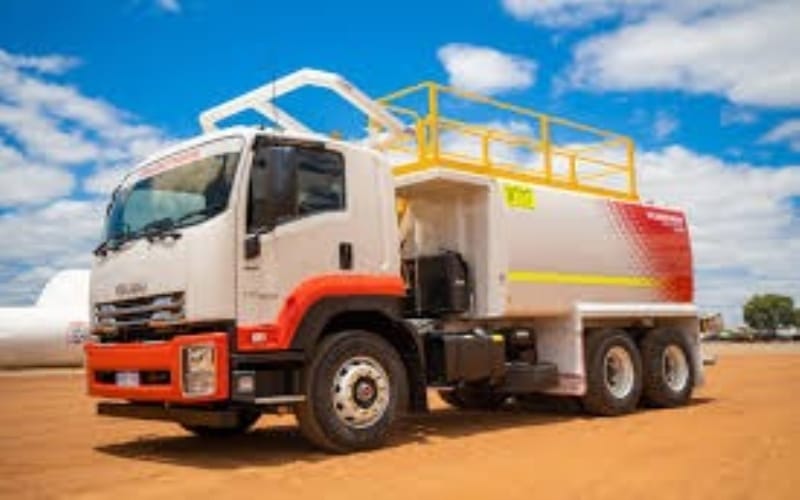
Among the various specialised utility vehicles available, trucks play an important role across various sectors. This includes construction, mining, and agriculture. Ensuring the optimal performance of these vehicles not only enhances operational efficiency but also prolongs their service life. So, this article looks into comprehensive strategies for the maintenance and operation of the water truck, offering actionable insights to optimise its functionality.
Routine Maintenance: The Bedrock of Reliability
Consistent and thorough maintenance forms the cornerstone of keeping a water truck in peak condition. Regular inspections and servicing can preemptively identify and rectify issues before they escalate into costly repairs or operational downtime. Essential parts like the engine, transmission, and water pump require vigilant oversight. Lubrication of moving parts, checking fluid levels, and replacing filters at recommended intervals safeguard against wear and tear. This helps in ensuring the vehicle’s longevity.
Equally crucial is the care of the water storage and delivery system. Tanks should be inspected for leaks or corrosion, and the interior should be cleaned regularly to prevent contamination. Hoses, valves, and spray heads also demand regular checks to maintain proper water distribution capabilities. By adhering to a scheduled maintenance plan, operators can ensure their vehicles remain reliable and ready for deployment.
Optimising Operation: Strategies for Efficiency
The effective operation of a water truck goes beyond simply driving the vehicle from point A to point B. Understanding and leveraging its capabilities can significantly enhance efficiency. For instance, the strategic use of spray nozzles tailored to specific tasks—be it dust control, irrigation, or soil compaction. This can conserve water and reduce operational time. Operators should be well-versed in the features of their vehicles, including the range and patterns of spray nozzles, to utilise them to their fullest potential.
Furthermore, the technique of driving a truck plays an important role in maximising efficiency. Smooth acceleration and deceleration, combined with mindful navigation of terrain, can minimise water sloshing and ensure even distribution. Operators should be trained in these techniques, along with best practices for safely manoeuvring the vehicle in various environments.
Embracing Technology: The Path to Enhanced Productivity
The integration of technology in the operation of utility vehicles has opened new avenues for increasing productivity. Advanced monitoring systems can track its performance, fuel consumption, and even predict maintenance needs. This helps in enabling more informed decision-making. GPS and route optimisation software can streamline operations, reducing travel time and fuel usage. Operators and fleet managers are encouraged to explore these technological solutions as a means to boost operational efficiency.
Sustainability and Compliance: Adhering to Best Practices
Sustainability practices are becoming increasingly important in the operation of utility vehicles. Efficient water usage, minimising fuel consumption, and adhering to environmental regulations are essential aspects of responsible operation. Operators should know about the environmental impact of their activities and strive to minimise it by following best practices for water sourcing and discharge.
Compliance with regulatory standards is also crucial. This includes adhering to water quality standards, obtaining necessary permits, and ensuring the vehicle meets emission requirements. Staying informed of and compliant with local, state, and federal regulations protects both the environment and the operator from potential legal repercussions.
The water truck serves as an indispensable tool in various sectors, and its efficiency hinges on meticulous maintenance and strategic operation. The future of truck operation is one that balances efficiency with responsibility, ensuring these vehicles continue to play their critical role in supporting industries worldwide.
