

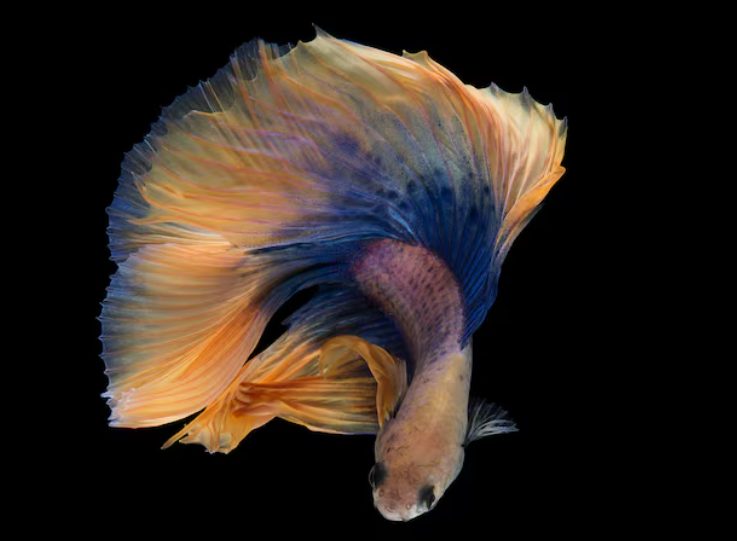
Betta fish are among the most popular freshwater fish kept in home aquariums. Their bright colors, flowing fins, and interesting behavior have made them a favorite among fish keepers. However, the bettas seen in pet shops are very different from the fish found in the wild. Learning where wild betta fish come from gives us a better understanding of their natural behavior, appearance, diet, and living conditions.
Wild bettas have developed over many generations to survive in specific freshwater environments. Instead of living in large lakes or fast-moving rivers, many species are found in shallow waters, wetlands, rice fields, ponds, streams, and forest areas. These habitats can change considerably throughout the year, yet wild bettas have developed useful adaptations that allow them to survive challenging conditions.
The Natural Range of Wild Betta Fish
Betta fish are native to Southeast Asia, where warm temperatures and seasonal rainfall create many suitable freshwater habitats. Different wild Betta species can be found across countries such as Thailand, Cambodia, Laos, Vietnam, Malaysia, Indonesia, and surrounding areas.
Betta splendens, the species commonly kept as the aquarium betta, is native to parts of mainland Southeast Asia, particularly Thailand and neighboring areas. Other wild Betta species have their own smaller natural ranges and may live in very different environments.
Their habitats are often connected to seasonal weather patterns. During rainy periods, water levels can rise and create new pools and waterways. During dry periods, some habitats may become smaller and shallower. This changing environment has played an important role in shaping the behavior and survival skills of wild bettas.
The Water Conditions They Prefer
Wild bettas usually live in warm, slow-moving or still freshwater. Their natural homes often contain fallen leaves, roots, branches, mud, and dense vegetation. These materials provide places where fish can hide from predators and search for food.
The water in these environments may not look as clear as the water in a well-maintained aquarium. It can contain tannins released by decaying leaves and organic material, which may give the water a brown or tea-like appearance. The exact water conditions vary between species and locations.
Many wild bettas are also exposed to water with low oxygen levels. This is particularly common in shallow, stagnant environments where there is limited water movement. Their ability to cope with these conditions is one of the most important features that has helped them survive in the wild.
How the Labyrinth Organ Helps Bettas Survive
One of the most important adaptations of betta fish is the labyrinth organ. This specialized organ allows them to take oxygen from the air at the surface of the water.
This ability does not mean bettas can live without clean water. They still require suitable water conditions for their gills and overall health. However, the labyrinth organ gives them an advantage in environments where dissolved oxygen levels can become low.
Wild bettas regularly move toward the surface to take gulps of air. This behaviour is completely natural and explains why aquarium bettas often swim to the surface even when the water has adequate oxygen.
What Wild Bettas Eat
Wild bettas are mainly carnivorous and feed on small organisms available in their environment. Their diet can include mosquito larvae, small insects, insect larvae, tiny crustaceans, worms, and other small aquatic creatures.
Their natural hunting behavior involves watching for movement near the water’s surface and among plants. Bettas have good eyesight and can move quickly when pursuing prey. Their small size also allows them to explore areas where larger fish cannot easily reach.
This natural diet explains why bettas benefit from high-quality protein-rich foods when kept in aquariums. Although commercial betta pellets can provide balanced nutrition, their feeding habits in the wild are based largely on animal-based food.
Vegetation and Shelter in Their Habitat
Plants are an important part of the wild betta environment. Dense vegetation provides shelter, helps reduce exposure to predators, and creates areas where bettas can rest and search for food.
Leaves and other plant material that fall into the water also become part of the environment. As they break down, they can affect the water chemistry and create hiding places for small aquatic organisms that become food for bettas.
Wild bettas may also use areas between roots, grasses, and floating plants as protected spaces. This is one reason aquarium bettas can benefit from plants and other forms of cover rather than living in a completely bare tank.
Breeding Behavior in the Wild
Wild bettas have fascinating breeding behavior. In species such as Betta splendens, males build bubble nests at the water’s surface. The nests are made from bubbles that are held together by secretions produced by the fish.
After spawning, the eggs are placed within the bubble nest. The male typically guards the nest and helps keep the eggs in place. He may collect eggs that fall from the nest and return them to the protected area.
This behavior is important because wild betta habitats can be shallow and exposed to changing conditions. Protecting the eggs increases their chance of developing successfully.
Wild Bettas Compared With Aquarium Bettas
The bettas commonly sold as pets have been selectively bred for generations. Breeders have developed fish with a wide range of colors, patterns, body shapes, and long, flowing fins. Wild bettas generally have shorter fins and more natural colors that help them blend into their surroundings.
Their behavior can also be different. Wild bettas have strong territorial instincts because they need to compete for limited resources and suitable breeding areas. They may display aggressive behavior when another male enters their territory.
Domestic bettas still retain many of these instincts, even though selective breeding has produced many different appearances and temperaments. Understanding this background can help aquarium owners provide an environment that allows their fish to behave naturally.

Threats to Wild Betta Populations
Wild bettas depend on healthy freshwater habitats, which means environmental changes can affect their populations. Urban development, agricultural expansion, pollution, drainage of wetlands, and changes to natural waterways can reduce or damage suitable habitats.
The loss of small ponds, marshes, rice fields, and forest streams can be especially important for species with limited natural ranges. When these habitats disappear, wild bettas may lose access to breeding areas, food sources, and shelter.
Protecting natural freshwater environments therefore benefits more than just bettas. These ecosystems support many other fish, insects, plants, amphibians, and microorganisms that depend on the same water systems.
Why Learning About Wild Bettas Matters
Understanding the natural history of betta fish can change the way we look at these popular aquarium pets. Their colorful appearance is only one part of their story. Behind the fish commonly seen in home tanks is a group of species that have adapted to seasonal freshwater environments across Southeast Asia.
Learning about their natural habitats also helps aquarium keepers understand why bettas need suitable water, shelter, plants, proper nutrition, and enough space. Their ability to breathe air, hunt small prey, build bubble nests, and defend territory all developed as responses to life in the wild.
Wild bettas are an important part of Southeast Asia’s freshwater ecosystems. Protecting their natural habitats helps preserve their populations and the wider environments they depend on. As interest in betta fish continues around the world, greater awareness of their natural origins can encourage more responsible fishkeeping and greater appreciation for these remarkable freshwater species.
