

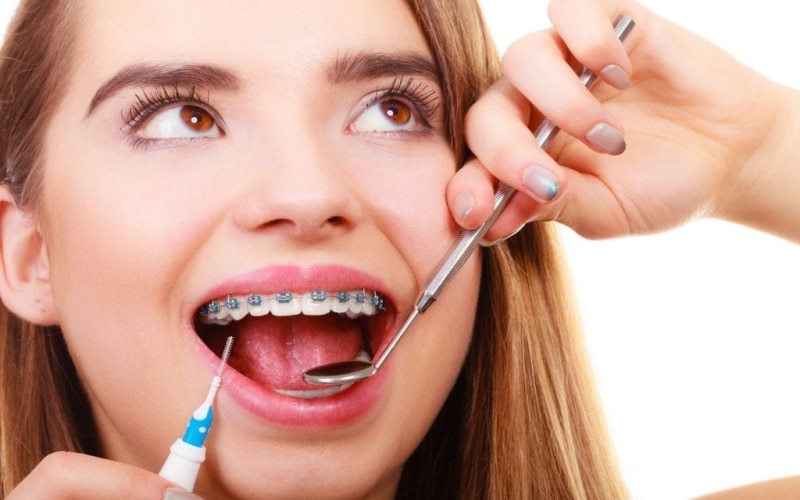
Have you ever wondered how braces impact a child’s dental health routine? Or why does maintaining clean teeth become even more crucial during orthodontic treatment? These questions highlight a critical topic that every parent of a child with braces should understand. Proper care during this time can set the foundation for a lifetime of healthy smiles.
Why Does Oral Hygiene Matter More With Braces?
Orthodontists for kids emphasize the importance of maintaining cleanliness during treatment. Braces create spaces where food particles can easily get trapped, making it harder to brush and floss effectively. If these areas are neglected, it can lead to plaque buildup, cavities, or gum issues. For growing children, such problems can cause setbacks in their treatment or permanent damage to their teeth.
A clean mouth is also essential for ensuring the success of braces. When the teeth and gums are healthy, the braces can work as intended, gradually aligning the teeth. On the other hand, poor hygiene can lead to delays or complications, prolonging the treatment time.
Effective Brushing Techniques for Kids With Braces
Brushing with braces requires a bit more effort, but the results are worth it. A soft-bristled toothbrush or an electric toothbrush can make the process easier. Children should aim to brush after every meal to remove trapped food particles. Angle the toothbrush at 45 degrees, reaching both above and below the brackets. This ensures thorough cleaning without damaging the braces. Some parents find that adding an interdental brush helps their child clean between wires and brackets more effectively.
Flossing: A Non-Negotiable Step
Flossing is challenging with braces, but it’s a step that shouldn’t be skipped. Special tools like floss threaders or orthodontic floss can make it easier to navigate around the wires. Water flossers are another great alternative, as they use a gentle stream of water to clean hard-to-reach areas.
Flossing daily not only prevents gum disease but also ensures that the areas between teeth stay free from plaque and debris. Children who floss regularly often experience fewer dental issues during their treatment.
The Role of Diet in Dental Health
What a child eats can greatly affect their dental health while wearing braces. Sticky, sugary foods are best avoided, as they can cling to brackets and wires, increasing the risk of cavities. Hard foods, like nuts or raw carrots, can even damage the braces, leading to emergency visits.
Instead, orthodontists for kids recommend softer, nutrient-rich foods like yogurt, fruits, and vegetables. These options are not only safer but also promote stronger teeth and gums. Encouraging healthy eating habits benefits both the treatment process and overall health.
This Tampa dentist adds that how often a child eats also plays a role in dental health. Frequent snacking, especially on sugary or starchy items, can create a constant acidic environment in the mouth, increasing the risk of tooth decay. Encouraging regular meal times and limiting snacks can help protect their teeth and support successful orthodontic treatment.
Regular Checkups and Professional Cleanings
Routine visits to the orthodontist and dentist are essential during treatment. These professionals can spot potential issues early and provide tailored advice for better care. Professional cleanings help remove stubborn plaque that brushing and flossing might miss. During these visits, children also receive reminders about the importance of maintaining a clean mouth. Parents can use these checkups as an opportunity to reinforce good habits at home, ensuring that their child stays on track.
Good oral hygiene is more than just a routine—it’s a commitment to a brighter, healthier smile. For children with braces, this commitment becomes even more critical. Orthodontists for kids highlight that proper care not only prevents complications but also ensures that the treatment delivers its full benefits. And as the braces come off, the reward is more than just straight teeth; it’s the confidence that comes with a truly radiant smile.
