

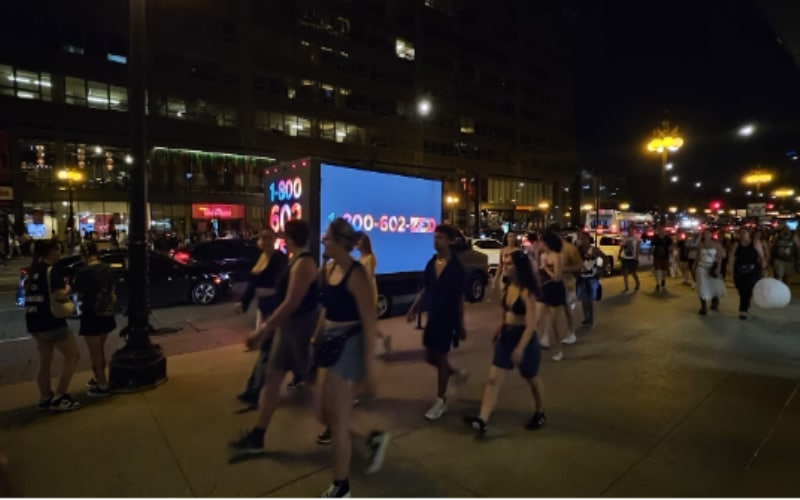
Are you considering starting a campaign for mobile billboard advertising but are unsure where to begin? You’re not by yourself. Planning a successful mobile billboard campaign can seem overwhelming since there are so many moving components, but it doesn’t have to be. Knowing how to carefully design your campaign can make all the difference in reaching your target demographic and optimizing your return on investment (ROI), whether you’re a small business owner or a marketing expert. Let’s look at the procedures you must follow in order to design an effective campaign for mobile billboard advertising.
Step 1: Define Your Campaign Goals
Before you even consider taking your mobile LED billboard truck out into the public, you must be very clear about your goals. Are you trying to draw attention to a particular place, advertise a new product, or raise brand awareness? Your campaign’s objectives will influence every element, including the layout of your billboard and the routes you take. Spend some time defining your goals precisely because they will be the basis for all of your future decisions.
Step 2: Know Your Audience
For your campaign to be successful, it is essential that you understand your target demographic. Who do you wish to contact? Are they shoppers, commuters, or attendees of events? Take into account their tastes, behaviors, and demographics. You can use this information to help you select the best design, messaging, and locations for your mobile billboard. If young professionals are your target audience, for instance, you may concentrate on bustling commercial areas during rush hour. Having a deep understanding of your target demographic guarantees that the individuals who matter most will be receptive to your campaign.
Step 3: Craft a Compelling Message
It’s time to craft a message that will pique interest and inspire action, keeping your objectives and target audience in mind. When someone sees your mobile billboard, what action do you want them to take? Your message must be distinct, appealing, and compelling whether someone is accessing it through your website, coming into your store, or taking advantage of a unique deal. Keep in mind that you just have a few seconds to grab someone’s interest, so be succinct and direct. To make sure your message is remembered, use bold wording, attention-grabbing images, and a compelling call to action.
Step 4: Design an Eye-Catching Billboard
Now that you have your message, it’s time to make it visually striking with an eye-catching design. Which fonts, colors, and graphics will effectively communicate your message and represent your brand? With an emphasis on strong contrast and distinct images, your design should be bold and simple to read from a distance. Steer clear of extraneous elements and clutter that could divert attention from the essential point. Keep in mind that your billboard will move, so make sure your design has enough impact to be noticed right away.
Step 5: Choose the Right Routes and Timing
Where and when your billboard is visible has a big impact on how effective your mobile billboard campaign is. Where is the target audience that you are trying to reach? Schedule your billboard’s routes to pass through busy locations where your target audience is most likely to be found. Think about timing as well. If your audience is active during off-peak hours, there’s no need to ignore the advantages of focusing during those times for optimal visibility. To get more visibility, you could also want to think about hosting special events or setting up locations with lots of foot traffic, such as stadiums or festivals.
Step 6: Incorporate Real-Time Flexibility
The adaptability of mobile billboard advertising is one of its main benefits. Mobile billboards have the ability to adjust to changing circumstances, unlike static billboards. Are you ready to adjust your messaging or routes at any time? Keep an eye on local events, weather, and traffic patterns since they may have an impact on how successful your campaign is. You may optimize the exposure and relevancy of your billboard by being able to pivot in real-time, which guarantees that the appropriate individuals will see your message at the appropriate time.
Step 7: Measure Your Success
Monitoring the success of your campaign is important after it is underway. How are you going to assess the performance of your mobile billboard campaign? Establish the primary measures, such website traffic, social media engagement, or in-store visits, that you will use to gauge its success. Tracking technologies like as promo codes, QR codes, or unique URLs can be used to establish a direct connection between the campaign and particular behaviors. Review the effectiveness of your campaign on a regular basis, and be ready to make changes to improve outcomes.
Step 8: Optimize for the Future
The job continues even after your campaign has concluded. What lessons can you take away from this campaign to use in the future? Examine the information you have gathered to determine what was successful and what needs improvement. Make use of these insights to improve your strategy for upcoming campaigns. The secret to long-term success in mobile billboard advertising is ongoing optimization, which may involve changing your scheduling, routes, or messaging.
Conclusion: Your Roadmap to a Successful Campaign
Planning a mobile billboard advertising campaign doesn’t have to be complicated. By following these steps—defining your goals, knowing your audience, crafting a compelling message, designing an eye-catching billboard, choosing the right routes and timing, incorporating flexibility, measuring success, and optimizing for the future—you can create a campaign that not only stands out but also delivers real results.
