

Have you ever wondered why your air conditioner takes a while to switch from cooling to heating mode? It’s a common experience, especially during the transition between seasons. This delay might seem frustrating, but it’s actually a result of the intricate processes at work within your HVAC system. Understanding the science behind this delay can provide clarity and patience during those chilly moments when you’re waiting for warmth to fill the room.
Understanding the Brief Delay in Air Conditioner Heating
Temperature Differential
One of the primary reasons for the delay in your air conditioner blowing hot air lies in the concept of temperature differential. When you switch from cooling to heating mode, the system needs to adjust the temperature of the air it’s delivering to match the desired room temperature. If the air conditioner were to immediately blow hot air, it would result in a sudden temperature spike, causing discomfort and potential inefficiency. Therefore, the system takes a brief moment to balance out the temperature differential before delivering warm air.
System Initialization
Another factor contributing to the delay is the system’s initialization process. When switching modes, your air conditioner undergoes internal adjustments to prepare for the new function. This involves redirecting refrigerant flow, adjusting valves, and engaging different components within the unit. These behind-the-scenes tasks require a few moments to complete before the system is ready to produce hot air effectively.
Safety Precautions
Safety is paramount when it comes to HVAC systems, and transitioning from cooling to heating mode is no exception. To prevent any potential hazards or malfunctions, modern air conditioners are equipped with safety features and protocols. These include pressure sensors, temperature limits, and control algorithms designed to ensure the system operates within safe parameters. The brief delay in blowing hot air allows these safety mechanisms to verify that all conditions are optimal before proceeding.
Air Distribution
In addition to preparing the heating elements, the system also needs to ensure proper air distribution. During the transition, the air conditioner adjusts airflow patterns to distribute warm air effectively throughout the space. This involves opening or closing dampers, adjusting fan speeds, and redirecting airflow as needed. These adjustments take a few moments to synchronize, resulting in a brief delay before you feel the warmth circulating in the room.
Heat Generation
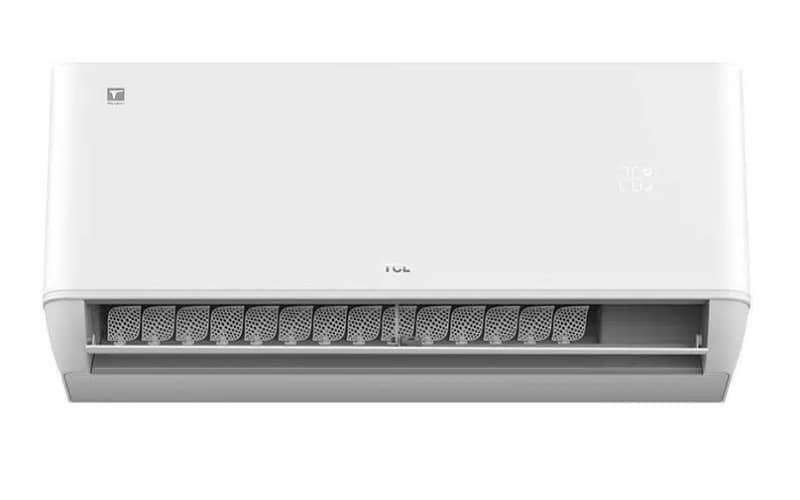
Generating hot air requires a different process compared to cooling. While cooling involves extracting heat from indoor air and releasing it outside, heating requires the system to generate warmth. This typically involves activating a heating element, such as an electric resistance coil or a heat pump, depending on the type of system you have. The TCL T-Pro Series 3 Star Split Inverter AC saves money and promotes energy efficiency with its Smart Inverter technology. Achieving up to 60% energy savings, the Smart Inverter facilitates rapid attainment of the desired temperature, cooling the coils to 18°C in 30 seconds, heating them to 40°C in 60 seconds. You can find more information about 1.5 ton split ac price on TCL’s website.

Conclusion
While it may be frustrating to wait for your air conditioner to switch from cooling to heating mode, understanding the reasons behind the delay can offer insight and patience. From balancing temperature differentials to ensuring safety and optimizing air distribution, various factors contribute to the brief pause before hot air fills the room. Next time you find yourself waiting for warmth, take comfort in knowing that your HVAC system is diligently working behind the scenes to provide efficient and comfortable heating.
