

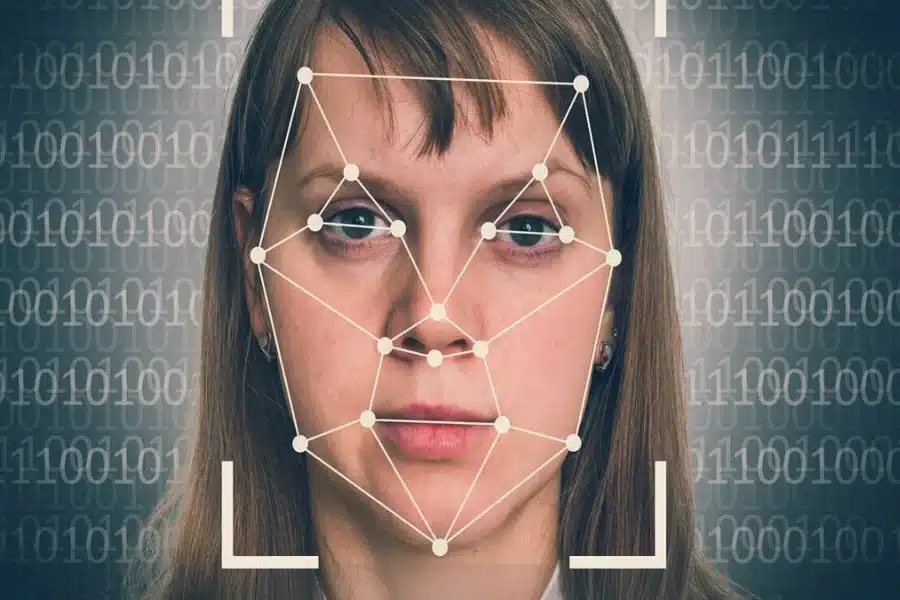
AI-generated celebrity images have stirred up their fair share of controversy, from concerns about deepfakes to debates over consent and ownership. And those concerns are valid—any tool with the power to replicate someone’s likeness must be handled with responsibility. But it’s also important to recognize the other side of the coin.
When used ethically and creatively, AI-generated celebrity images offer a surprising number of positive applications—for artists, educators, brands, and even fans. They can help preserve legacy, enhance entertainment, make education more engaging, and bring global audiences closer to the icons they admire by creating images for social use.
Here’s a look at how this rapidly evolving technology is already being used in constructive, respectful, and even inspiring ways.
1. Preserving Legacy in Film and Media
One of the most meaningful applications of AI-generated imagery is in honoring and extending the legacy of beloved celebrities, especially after their passing. AI has enabled posthumous performances that feel like tributes rather than tricks.
For example, visual effects teams have used AI-based facial mapping and image generation to “recreate” actors for final scenes they never had the chance to finish or to appear briefly in nostalgic cameos. When done with care and consent from the family or estate, these recreations allow audiences to say a more complete goodbye—or relive iconic characters one last time.
It’s not about replacing people—it’s about respectfully completing their stories in ways that wouldn’t otherwise be possible.
2. Boosting Creativity for Artists and Designers
Celebrity imagery has long been a staple in digital art, graphic design, and pop culture commentary. AI opens new doors for visual artists who want to experiment with style, theme, and concept using well-known faces—without relying on heavily edited paparazzi shots or promotional stills.
AI can generate stylized versions of celebrities that fit a particular artistic vision—imagine Salvador Dalí-style renditions of Rihanna or a cyberpunk reimagining of Audrey Hepburn. This kind of generative art allows for cultural commentary and creativity without infringing on real-world photos or needing to manipulate copyrighted material.
In many cases, these AI-generated artworks are clearly artistic and fictional, inviting fans to engage with celebrity culture in new and imaginative ways.
3. Education and Historical Reimaginings
In educational settings, AI-generated celebrity imagery is being used to teach everything from media literacy to history. Teachers and creators can use AI-generated likenesses of historical celebrities to reimagine what it would look like if Albert Einstein, Marilyn Monroe, or Bruce Lee lived today—how they might dress, what setting they’d appear in, or what role they’d play in modern society.
By placing familiar faces into fresh or unexpected contexts, educators can spark curiosity and critical thinking. AI-generated images serve as a visual “what if” tool that brings classroom discussions to life and encourages students to analyze both media and culture more deeply.
When clearly labeled and ethically presented, these reimaginings act as creative supplements to traditional learning.
4. Ethical Marketing with a Twist of Nostalgia
Brands have long used celebrity endorsements to sell products, but AI-generated images are opening new possibilities—particularly when it comes to nostalgia marketing. Think about a modern ad campaign that pays tribute to classic film stars in the style of old Hollywood, without needing to license decades-old footage or create lookalike actors.
AI-generated versions of iconic celebrities can be used in tribute-style campaigns that evoke nostalgia, promote vintage collections, or celebrate cultural milestones. As long as these campaigns are created with permission and transparency, they allow brands to build emotional connections without overstepping ethical boundaries.
In some cases, modern celebrities themselves are now choosing to “lend” their likenesses to AI-powered campaigns in a fully approved, royalty-based way. This opens up opportunities for personalization at scale, and gives the celebrity more control over how their image is used.
5. Fan Engagement and Personalized Content
AI-generated celebrity content is also creating new ways for fans to engage with their favorite stars. From stylized avatars to AI-enhanced video messages, fans are experiencing personalized, interactive content that brings them closer to the celebrities they admire.
Imagine a fan receiving a birthday video where an AI-generated image of their favorite actor delivers a generic—but friendly and realistic—message. Or using an AI app that lets them see what it would look like if they were in a scene with a celebrity icon. These experiences are clearly synthetic but still offer emotional value.
This doesn’t replace real fan interaction, of course, but it does enhance fan culture in a fun, light-hearted way. As long as it’s transparent and opt-in on the celebrity’s part, it can build fan loyalty in new ways.
6. Accessibility for Global Audiences
Not everyone around the world has access to the same celebrity experiences. AI-generated imagery can help bridge that gap. For instance, AI can generate localized versions of international stars in regional dress, settings, or even language contexts—making global icons feel more familiar and inclusive.
In multilingual marketing, for example, AI-generated video content can depict a celebrity “speaking” different languages with realistic lip syncing and intonation, giving non-English-speaking fans a more immersive experience. With proper consent and ethical oversight, this can broaden representation without the need for re-shoots or expensive dubbing.
Final Thoughts: Walking the Line with Care
Like most powerful technologies, AI-generated celebrity imagery is neither inherently good nor bad—it’s how we use it that matters. When handled with consent, creativity, and clarity, this technology has the potential to celebrate culture, preserve legacy, support artists, and connect fans to the icons they love.
It’s important to remain critical and vigilant about misuse, especially in cases where consent is unclear or the image is intended to deceive. But alongside these concerns, there’s plenty of space for positive, imaginative, and even moving uses of this technology.
Ultimately, AI-generated celebrity images remind us of something very human: our desire to connect, to remember, and to imagine. And when guided by respect, those desires can turn this controversial tool into something genuinely meaningful.
