

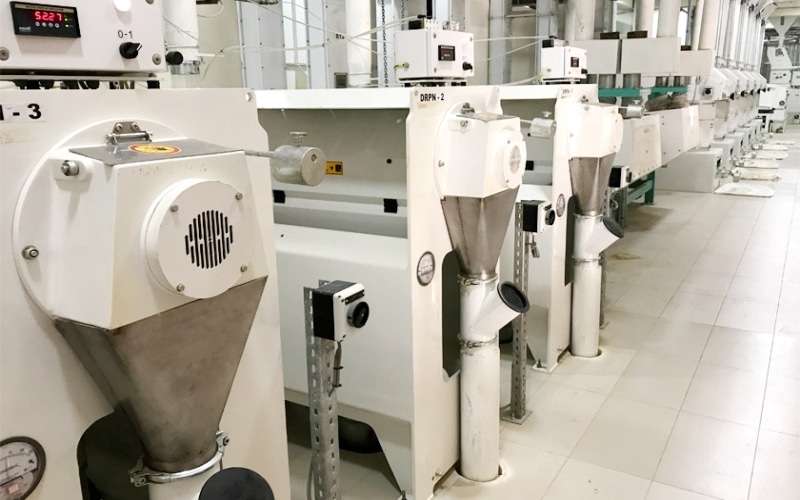
Rice milling and production is an important agricultural activity as rice is eaten every day and in every meal in the majority of the countries. Choosing the perfect rice mill machine is key for rice mills to get the most out of their harvest.
In this blog, we will explore various types of rice mill machines, their pros and cons, and rice mill prices of equipment, and help rice millers select the perfect rice mill machine that best fulfills their needs
Types of Rice Mill Machine
1. Traditional Stone and Hand Mills
These are the old-school stone and hand mills perfect for home use. These are also used in remote areas with no electricity. They are easy to use, cheap, and require no power. However it is difficult to process large amounts of rice in these mills
2. Single-Stage Rice Mill
This rice mill machine completes the milling process in one go. It is preferable for small farmers and local mills as the amount of rice it can process is not enough. It doesn’t even take up a lot of space and is also a cheaper and more affordable option than some other options.
3. Multi-Stage Rice Mill
These are high-tech machine cleaners that are perfect for large-scale operations. It has the ability to clean, hull, whiten and polish the rice in separate stages to produce high-quality rice with fewer broken rice grains. It requires less manual work and hence it is the costliest option available.
4. Combined Rice Mill
This rice mill is also called an all-in-one rice mill as it combines cleaning, hulling and milling into truecancel a single unit. It is available in multiple sizes for multiple needs. It also saves the floor space when compared to the rice mills having separate machines. It can be semi-automatic or automatic depending on the model.
5. Paddy Separator
This rice mill machine separates brown rice from leftover husks and unprocessed paddy after hulling. This leads to improved efficiency, and the final product is of high quality
6. Rice Whitener and Polisher
This is a dual machine that is used to refine brown rice into white rice. It also polishes the white rice for a shiny appearance. It is ideal for producing high-quality rice for markets that prefer shiny white rice
7. Destoner
This is a crucial machine that is important to keep your rice mill machine safe. It removes the stones and pebbles that could damage your other machines. It also keeps the final product free of tiny rocks.
Important Factors to Consider Rice Mill Machine
1. Quantity of rice
The volume of rice that needs to be processed must be considered. Smaller farms can perform well with single-stage mills whereas large operations will require multi-stage rice mills to manage the volume
2. Quality of final product
Invest in a rice mill machine depending on the quality of rice required. For example, a regular rice mill with limited machines will produce brown rice. But if shiny white rice is the requirement then one can invest in machines like whiteners and polishers. Also ensure that the system includes a paddy separator and destoner
3. Budget
Your budget will influence the selection of your rice mill machine. The traditional rice mill prices are budget-friendly. The modern cutting-edge rice mill price may be on the higher end, but when compared with traditional rice mill machines, modern machines offer better efficiency and generate quality output.
4. Space availability
Examine the floor area you have available for installing the rice mill machine. The all-in-one rice mill machine saves floor space whereas multi-stage rice mills machines require more space due to their separate parts.
5. Sources of power
If you are using a modern rice milling machine then you will require more power. For regions with unstable power supply, rice millers must consider machines with backup power options. The traditional rice mill machines are hand-powered hence they don’t face the issues related to power supply.
6. Maintenance
Always evaluate the availability of spare parts and technical support. Consider a rice mill machine whose parts are easily available and can be repaired easily with the help of local repair shops. This will help you avoid the longer downtimes.
7. Technological features
If possible, go for rice mill machines with advanced features such as automation and digital controls that will make the rice mills easier to use and for constant monitoring.
Conclusion
There’s no one-size-fits-all answer when it comes to rice mill machines.You have thetechsstorm to analyze your requirements, consider the rice mill price, and the floor space area available for the entire setup.
Choose traditional rice mills for small-scale and low-budget operations. Single-stage and all-in-one mills are good for medium-sized farms. For large-scale rice milling go for multi-stage rice mill machine.
The right rice mill machine will boost your rice production efficiency and you will get high-quality products.
