

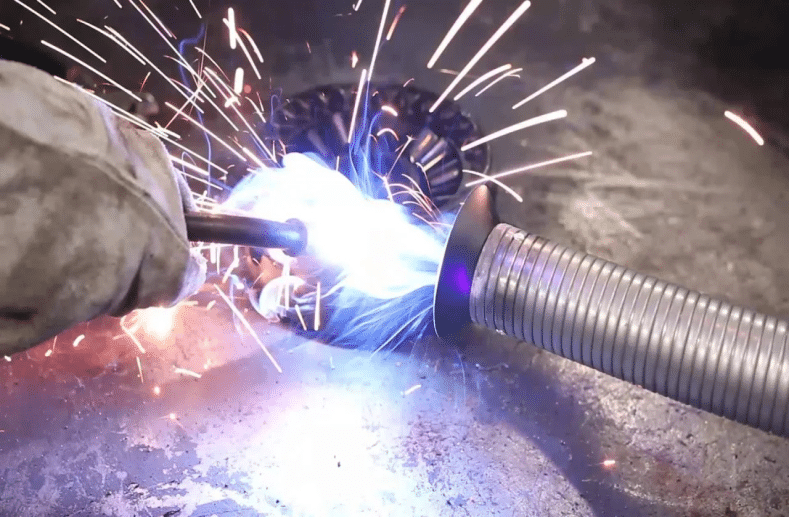
Welding is an essential process across various industries, but it can expose workers to harmful fumes and gases. To ensure the safety and well-being of welders, it is crucial to invest in a suitable welding fume extractor. With numerous options available in the market, selecting the most suitable one can be overwhelming.
In this post, we will provide you with valuable tips to help you choose the appropriate welding fume extractor for your needs.
Understanding Your Requirements:
Before discussing the specific features and considerations, it is important to analyze your requirements. Consider factors such as the size of your workspace, the volume of welding activity, the types of metals used, and specific pollutant sources. This preliminary assessment will serve as a foundation for making an informed decision.
Capture Efficiency:
One key factor to consider when choosing a welding fume extractor is its capture efficiency. This refers to how effectively it captures and removes airborne pollutants generated during the welding process. Look for extractors with high capture efficiency ratings to ensure maximum protection for workers and compliance with occupational safety standards.
Filtration System:
The filtration system plays a crucial role in the performance of any welding fume extractor. Typically, two types of filtration systems are mechanical and electrostatic precipitation. Mechanical filtration uses filters to physically capture particles from the air stream, while electrostatic precipitation applies an electrical charge to collect particulates.
Maintenance Requirements:
Consider the maintenance requirements of a welding fume extractor to ensure optimum performance and longevity. Look for extractors with easily replaceable filters or efficient cleaning mechanisms that minimize downtime for maintenance tasks. Regular maintenance not only ensures cleaner air quality but also enhances the lifespan of your equipment.
Airflow Capacity:
The airflow capacity of a welding fume extractor determines its ability to effectively handle pollutants generated during welding processes. Take into account the volume of air that needs to be extracted within a given time frame. Choosing an extractor with sufficient airflow capacity will help to maintain a clean environment and prevent the buildup of hazardous fumes.
Mobility and Portability:
Consider the mobility and portability of a welding fume extractor, especially if you require it to be moved frequently across workstations or job sites. Look for extractors with wheels or handles for easy transportation. Also, ensure that the extractor has sufficient power cord length to avoid limitations due to proximity to electrical outlets.
Noise Level:
The noise level of a welding fume extractor is often overlooked but can significantly impact the work environment. Look for models that offer low noise output without compromising performance. Excessive noise can lead to decreased productivity, fatigue, and stress among workers.
Compatibility with Existing Setup:
Evaluate whether the welding fume extractor you are considering is compatible with your existing setup. Some extractors may require additional accessories or modifications to integrate seamlessly into your workspace. Ensure that the chosen model aligns with your infrastructure requirements before making a purchase.
Budget Considerations:
Like any significant investment, budget considerations play a crucial role in selecting a suitable welding fume extractor. However, it is essential not to compromise on quality in pursuit of cost savings. Consider finding a balance between affordability and performance by comparing prices and features among reputable brands.
Seek Expert Advice:
If you are uncertain about which welding fume extractor is best for your needs, don’t hesitate to seek expert advice. Contact industry professionals or trusted suppliers who can guide you based on your specific requirements.
Closing Thoughts:
Selecting a suitable welding fume extractor is crucial in maintaining worker safety, enhancing productivity, and complying with occupational health regulations. By understanding your requirements, evaluating capture efficiency, filtration systems, maintenance needs, and other important factors discussed above, you can decide on the most suitable welding fume extractor for your workspace. Remember to seek expert advice when necessary to ensure complete protection for your workers and a clean working environment.
