

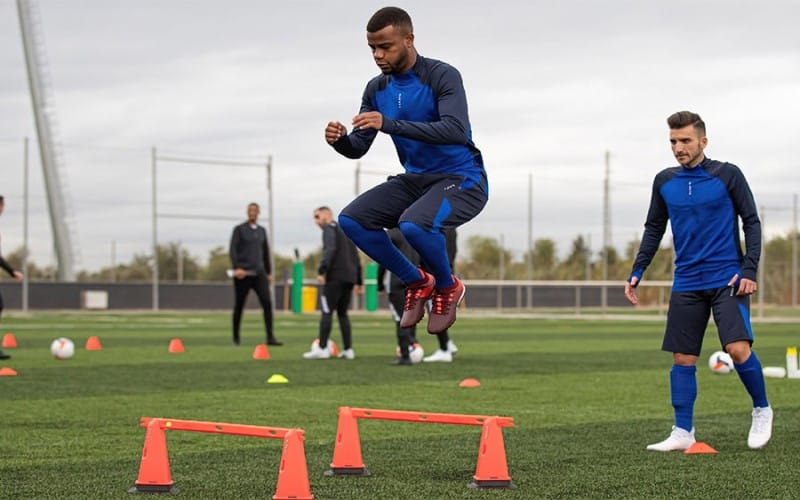
In the modern world of athletics, the quest for a competitive edge is relentless. Athletes are continually seeking innovative methods to enhance their performance, refine their skills, and outshine the competition. One of the most exciting advancements in this domain is virtual sports practice. This cutting-edge approach leverages technology to simulate real-world training scenarios, offering athletes a unique and effective way to elevate their game.
Understanding Virtual Sports Practice
Virtual sports practice involves using advanced software and hardware to create immersive training environments. These setups can range from simple applications on smartphones to complex systems that involve virtual reality (VR) headsets and motion sensors. The goal is to replicate the physical and mental challenges of real-world sports in a controlled, virtual setting.
Key Components of Virtual Sports Practice
- Simulation Software: Programs designed to mimic the conditions of a sport, allowing athletes to practice specific skills and strategies.
- VR Hardware: Devices such as VR headsets and motion controllers that provide a fully immersive experience.
- Data Analytics: Tools that collect and analyze performance data, providing insights and feedback for continuous improvement.
Benefits of Virtual Sports Practice
Enhanced Skill Development
One of the primary advantages of virtual sports practice is the ability to focus on specific skills in a highly controlled environment. Athletes can practice complex maneuvers, strategies, and techniques without the constraints of physical space or weather conditions. This level of control allows for repeated practice and fine-tuning of skills that are critical for competitive success.
Real-Time Feedback and Analytics
Virtual sports practice systems often come equipped with advanced analytics tools. These tools track an athlete’s performance in real-time, providing instant feedback on areas of improvement. This immediate feedback loop helps athletes make quick adjustments and develop a deeper understanding of their strengths and weaknesses.
Risk-Free Training Environment
Physical training always carries a risk of injury. Virtual sports practice offers a risk-free alternative, allowing athletes to train intensely without the associated physical strain. This is particularly beneficial for recovering athletes who need to maintain their skills while avoiding further injury.
Mental Conditioning
Competitive sports require not just physical prowess but also mental toughness. Virtual sports practice can simulate high-pressure scenarios, helping athletes develop the mental resilience needed to perform under stress. By repeatedly facing challenging virtual scenarios, athletes can build confidence and improve their decision-making skills.
Applications Across Various Sports
Football
Virtual sports practice is transforming football training by allowing players to simulate game scenarios, practice plays, and improve their decision-making skills. VR systems can recreate the experience of being on the field, helping quarterbacks read defenses or receivers perfect their routes.
Basketball
In basketball, virtual sports practice can help players enhance their shooting accuracy, defensive strategies, and overall game awareness. By simulating different game situations, players can practice their responses and refine their techniques in a controlled environment.
Golf
Virtual sports practice, particularly through realistic golf simulation software, has transformed golfer training. These simulations offer the ability to practice on global courses, provide detailed shot analysis, and allow golfers to refine their swings and strategies. Golf simulation technology captures essential data like swing speed and ball spin, enabling players to precisely improve their technique and better understand their performance.
Tennis
Tennis players can benefit from virtual sports practice by improving their serve, volley, and footwork. Simulated matches against virtual opponents help players develop their strategies and adapt to different playing styles.
Integrating Virtual Sports Practice into Your Training Routine
Start with a Plan
Before diving into virtual sports practice, it’s essential to have a clear plan. Identify the specific skills and areas you want to improve. Set measurable goals and track your progress over time.
Invest in Quality Equipment
To get the most out of virtual sports practice, invest in high-quality equipment. This includes reliable simulation software, VR hardware, and data analytics tools. The initial investment can be significant, but the long-term benefits make it worthwhile.
Balance Virtual and Physical Training
While virtual sports practice offers numerous benefits, it should complement, not replace, physical training. Balance your routine by incorporating both virtual and real-world practice sessions. This holistic approach ensures you develop both the physical and mental aspects of your game.
Seek Expert Guidance
Working with a coach or trainer who understands virtual sports practice can significantly enhance your training experience. They can provide valuable insights, help you set realistic goals, and ensure you’re using the technology effectively.
Conclusion
Virtual sports practice represents the future of athletic training. By embracing this innovative approach, athletes can gain a competitive edge, enhance their skills, and achieve their full potential. Whether you’re a seasoned professional or an aspiring athlete, integrating virtual sports practice into your training routine can take your game to the next level. Start exploring the possibilities today and unlock your true potential with next-level training.
By understanding and leveraging the power of virtual sports practice, you can set yourself apart from the competition and stay ahead in the ever-evolving world of athletics.
