

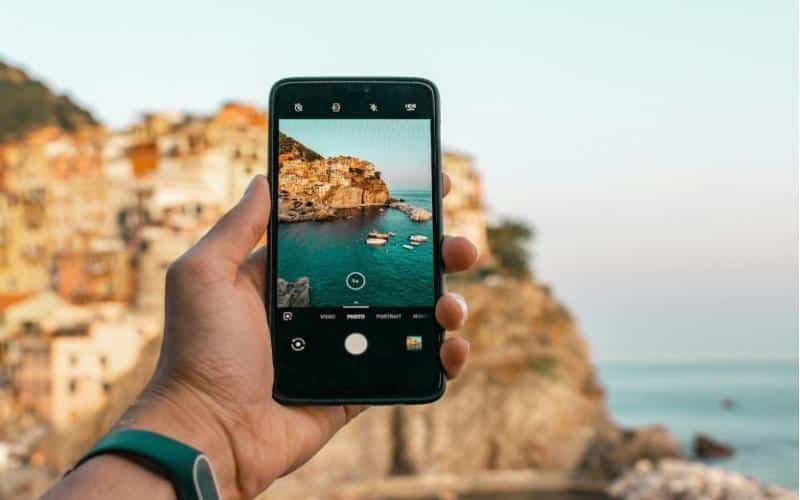
When you’re on vacation, it’s natural to want to share your joy with your friends and loved ones on social media. As our daily communication moves to the online world, platforms like Facebook, Instagram, Twitter, and TikTok are essential tools for staying connected with loved ones, documenting experiences, and discovering new destinations.
However, social media norms vary significantly from one country to another, influenced by cultural norms, local regulations, and technological infrastructures. In this article, we aim to share the knowledge and strategies necessary to make the most of their social media experience while exploring unfamiliar territories, ensuring safety and cultural sensitivity.
Safeguard Your Internet Connection
We all know public Wi-Fi isn’t safe, even in your home country. The risks only grow when you travel abroad and try to use free public internet spots. Using a VPN for travel while using social media abroad is vital to protecting your online privacy and security.
It acts as a virtual shield, encrypting your internet connection and masking your IP address. This prevents potential hackers or snoopers from intercepting sensitive information or tracking your online activities. Using a VPN when you’re abroad will allow you to enjoy your social media without worrying.
Don’t Overshare
This one’s simple. While sharing snapshots of tourist destinations and delicious local meals is fun and games, sharing every detail of your vacation itinerary isn’t wise. Social media is usually open to virtually anyone, and as a result, it can be used by ill-meaning people to track your movements and activities.
Thus, we don’t recommend sharing on social media where you’re going beforehand and how long you plan to stay there. Moreover, it’s not a good idea to let your more comprehensive social media audience know when you are leaving for a trip and when you intend to be back.
Update Your Location Settings
Generally, users are suggested to turn off location-reporting features on social media apps and refrain from checking in at specific locations. Many social media apps have options to turn off automatic location reporting.
Beyond that, it is advisable to abstain from manually entering the location for most “check-in” options. As we pointed out earlier, giving out your whereabouts and expected arrival time could make it easier for bad guys to follow you.
Avoid Posting Identifying Information
Remember never to post any personal information as content on social media. If you upload photos of your passport, airline or train ticket, official ID, or other travel documents, you can unintentionally allow scammers to use those images as proof of identity.
Government-issued imagery can be abused to obtain sensitive information or unauthorized use of services since they are frequently used to validate access to different accounts and services, like your bank.
Don’t Comment on Local Political or Social Issues
Every country has its fair share of local political or social issues. While some of those are contained in the comment sections on social media, others have gathered enough traction to be talked about in person, sometimes leading to risks of riots and fights.
To stay safe, refrain from commenting on local political or social issues. Not only will the locals not appreciate your input, but some may also find offense in your insights and leave nasty comments or threats on your social media accounts.
Final Thoughts
In conclusion, with the right approach to safety and privacy, social media can enhance your travel experience by fostering connections and sharing memorable moments. By staying informed about local customs and regulations, adapting to different internet environments, and practicing mindful posting, you can navigate social media abroad safely and enjoyably.
