

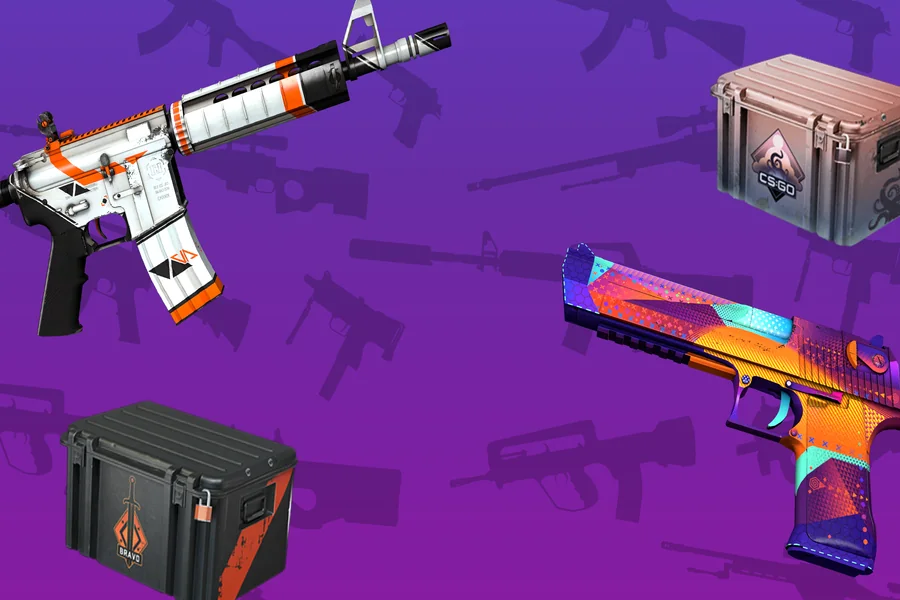
With the arrival of Counter-Strike 2, the skin-based gaming economy has become more sophisticated than ever. For players, skins are no longer just cosmetic items; they have evolved into something resembling a parallel virtual asset class. This ecosystem has given rise to a segment commonly known as CS:GO casino sites, where skin values, game mechanics, and platform design come together to create a distinct form of entertainment.
CS2 Skin Values and the Market
In CS2, skins are essentially cosmetic items that change the visual appearance of weapons and knives. However, their value among players is linked to real-world money because they can be bought and sold through the game’s official marketplace and third-party trading networks. Rare finishes, limited-time cases, and popular collections all contribute to a pricing structure that experienced traders monitor closely.
Over time, this value structure has also been incorporated into entertainment-focused websites. Certain brands and guide platforms, such as csgo casino, appear to map this ecosystem through keywords and content, helping gaming and esports audiences understand how skin values, offer categories, and viewer engagement are interconnected. This space has developed into a distinct niche for highly engaged players.
Skin prices are determined by several factors, including rarity, wear condition, pattern, stickers, and narratives associated with professional players or tournaments. This creates a speculative trading environment in which some users view skins as short-term assets. These valuations subsequently serve as an “input value” on websites offering skin-based games, as each skin is generally assigned some form of estimated monetary value.
The Structure of CS:GO Casino Sites
CS:GO-style casino sites generally operate across three layers. The first involves inventory and valuation, where users transfer their skins either through trading bots or through mechanisms established by the platforms themselves. The system collects these skins and assigns them a numerical value based on its assessment. This value is then used as betting units or credits.
The second layer consists of game mechanics. Several core formats are commonly found on these platforms, including coinflip, jackpot, and crash-style games, where users wager their credits or skin values on particular outcomes. Through concepts such as provably fair gaming, many platforms attempt to demonstrate that results are not predetermined but instead generated through randomness based on cryptographic algorithms. This has become a familiar user experience for esports audiences.
The third layer focuses on user experience (UX) and community engagement. Live chat, leaderboards, real-time inventory updates, and skin showcase features transform these websites into interactive hubs. Content creators and streamers are also important to these platforms because they demonstrate game modes, strategies, and skin values during live sessions. This directly influences traffic, watch time, and overall engagement.
The arrival of CS2 brought technical changes to the codebase and skin system, but most platforms have worked to align their infrastructure with the new game engine. This required operators to recalibrate inventory synchronization, skin naming conventions, and marketplace pricing models, involving considerable engineering and product management efforts.
Regulation, Technology, and Future Developments
The regulatory landscape for CS:GO-style casino sites varies considerably by jurisdiction. Some jurisdictions treat them as part of traditional online gambling legislation, while others are still developing specific guidelines for the skin-related sector. In the United States, this segment generally falls under state-level legislation, and many operators structure their business models accordingly, although the regulatory situation is not the same in every state.
From a technological perspective, these platforms face two main challenges. The first is keeping price feeds and skin valuations continuously updated to prevent discrepancies between the trading economy and in-game credits. The second is designing provably fair systems and logging mechanisms that are not only mathematically robust but also easy for users to verify. Both factors have a direct impact on trust and long-term engagement.
From a creator economy perspective, these websites represent an interesting case study. Highly engaged esports audiences are generally very interested in skins, case openings, and high-value items. When these audiences consume content associated with such platforms, branding, affiliate referrals, and virtual asset showcases can all be measured in different ways. Beyond CPM and CPC, many campaigns also monitor the net value of transactions and lifetime engagement.
Looking ahead, two major trends are becoming increasingly apparent. The first is the discussion around APIs, data sharing, and policy coordination between game publishers and third-party platforms. The goal is to maintain a stable skin economy while ensuring that all stakeholders retain a basic level of control over inventory movements. The second trend involves interactive video and livestream integration, allowing viewers to watch streamers play skin-based games in real time and interact with the same ecosystem through chat commands, overlay buttons, and real-time offers.
Overall, CS:GO-style casino sites represent a distinctive micro-economy at the intersection of gaming, finance, and media. Anyone seeking to understand this space needs to consider three interconnected layers: skin valuation, platform architecture, and creator-driven marketing. Only by examining all three can it become clear how a cosmetic item, combined with the right systems and audience, can create an entirely new value network within the entertainment industry.
