

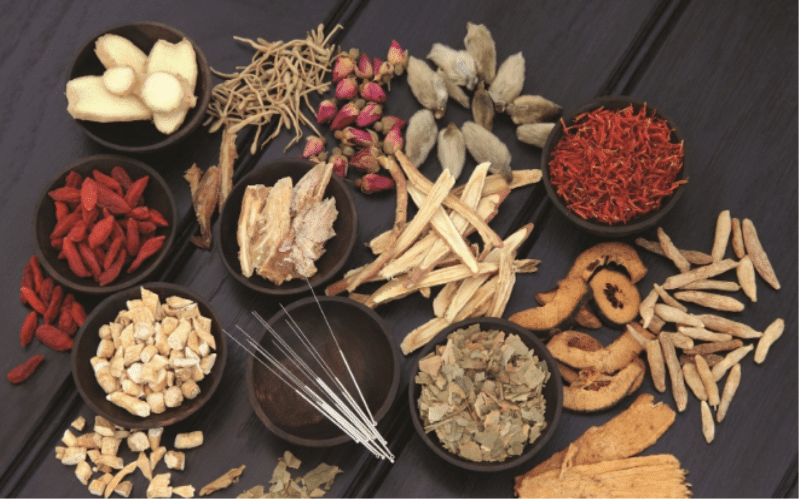
Vietnam is a stunning destination with rich natural landscapes and a vibrant cultural history, specially blended with the ancient practice of herbal medicine. Tourists often choose Vietnam holiday packages not only to explore its scenic beauty but also to experience these traditional practices that rejuvenate both body and soul.
This traditional herbal medicine in Vietnam is known as Dong Y in the local language and it is famous for? Grounded principles and how you can access a glimpse of these practices in places like Bach Ma National Park in Vietnam. Let’s explore more
History Of Traditional Herbal Medicine In Vietnam

The history of traditional Vietnamese herbal medicine has evolved back millennia with the nuances of Khmer, Chinese and also Vietnamese practices and beliefs. Right from the early dynasties the development of this herbal medication got its prominence and progress with time. The zenith of herbal medication of Vietnamese was reached during the Hung kings.
The major references to these indigenous medications can be found in Ancient texts, archaeological pieces of evidence written on the palm leaves and also in books. During the Chinese dominance in Vietnam from 111 BC to 940 AD, Chinese medicine largely showed the impact of the Vietnamese local medicine, though Vietnamese worked on its own herbal medication catered to the local flora and significant health needs of the Vietnamese people.
What Is Traditional Herbal Medicine In Vietnam?
Vietnamese herbal medication is commonly referred to as ‘Dong Y’ the eastern medication or ‘Thuoc Nam’ the southern medication. This traditional form is not only famous for curing health complications in the natural form but also embraces the advancements of ancient healing practices with decent knowledge.
Key Components of Traditional Herbal Medicine In Vietnam

Here are a few important components of traditional herbal medicine in Vietnam:
1. Indigenous Plants and Herbs
The key element in the Vietnamese herbal medication comes with the insightful use of local herbs and plants. Not only these plants are used in various forms like teas, decoctions, powders and poultices they also hold high therapeutic properties that are highly effective as advanced medications. The common herbs used here are ginger, turmeric, lico-rice roots, lotus, and Tulasi
2. Specified Treatment
Vietnamese traditional herbal medications come with personalized treatment, the condition first takes into account the patient’s situation and also the environmental factors. Then the process will be explained to the patient along with the time duration. Once the matter is conveyed to the patient the process starts with a customary approach with the findings of symptoms.
3. Comprehensive Approach
Vietnamese herbal medicine emphasizes more on the interconnectedness of the mind, body and soul in a pleasant environment. It not only focuses on the physical well-being but also includes the emotional as well as the spiritual well-being of the patient.
4. Preventive Care
One of the key components of Vietnamese traditional medication is the focus on preventive care. The followers advocated for a very balanced lifestyle, dietary charts, and also the regular intake of herbal medications that boost a better metabolism and maintain a healthy life structure.
Methods And Preparation Of Traditional Herbal Medicine In Vietnam
Vietnamese herbal medicine includes various methods to prepare and administer remedies, which imbibes the optimal extraction and utilization efficiency of traditional medical compounds. The very common preparation of this herbal medication includes:
1. Infusion Method
In the infusion method, traditional herbs and flowers are often dipped into the boiling water and the essential oils are extracted into the water then they will be blended with the volatile oils and the beneficial compounds and preserved in a mud pot for further use.
2. Decoction Method
This is also one of the famous traditional intake methods. Here the therapeutic herbs are extracted and added to the active ingredients. Flavoured with natural liquids to make it more flavourful and healthy.
3. Powder and Herbal Pills
Here in this method herbs are dried and blended into powder and later this will be encapsulated into pills for easy consumption.
4. Tropical Application
Here therapeutic herbs are made into ointments, poultices or oils for external application to treat wounds, skin conditions and also muscle soreness.
The Role Of Traditional Healers In Vietnam
Traditional healers are mainly known as ‘Thay Thuoc’ in Vietnamese. They play a very crucial role in the practice of the traditional method of Dong Y. Here the professionals possess extensive knowledge of diagnostic methods, herbal remedies and also treatment methods to pass the traditional knowledge down line the generations.
Modern-Day Relevance Of Traditional Herbal In Vietnam
Traditional herbal medicine in Vietnam has thrived parallel to Western medicine in the level of efficiency. The Vietnamese government also recognized the importance of these traditional ‘Dong Y’ and integrated that into the national primary health care system. Many hospitals today integrate traditional and modern medical approaches for comprehensive care.
