

The Philippine real estate market is booming, fueled by a growing economy and a rising population. For many Filipinos, homeownership represents a significant milestone, the cornerstone of the “Filipino Dream.” However, this exciting journey can be fraught with uncertainties, especially for first-time buyers.
A home inspection is a crucial step in safeguarding your investment and ensuring peace of mind throughout the homebuying process. Think of it as a comprehensive evaluation of a property’s condition by a qualified professional, revealing potential issues that might otherwise go unnoticed. By demystifying the hidden aspects of a home, inspections empower both buyers and sellers to make informed decisions in the Philippine real estate market, whether you’re looking for a house for sale in Metro Manila, a condo in Cebu, or even a commercial space for your business.
I. Unveiling Your Potential Property: What a Filipino Home Inspection Covers
Imagine a home inspection as a thorough checkup for your future property. A certified and licensed inspector, adhering to Philippine standards (if available), will meticulously examine key areas, both inside and outside, to give you a clear picture of its condition. Here’s what you can expect:
- Interior Deep Dive: The inspector will assess the foundation for stability, scrutinize structural components like beams and walls, and check the roof for leaks or damage. Additionally, they’ll evaluate the functionality and efficiency of your heating, ventilation, and air conditioning (HVAC) systems, along with the plumbing and electrical systems for any safety hazards or leaks.
- Exterior Examination: The inspection will cover the exterior siding, checking for material condition and water damage. Windows and doors will be examined for smooth operation and security. Finally, the inspector will assess the property’s grading, ensuring proper drainage and identifying any potential foundation concerns.
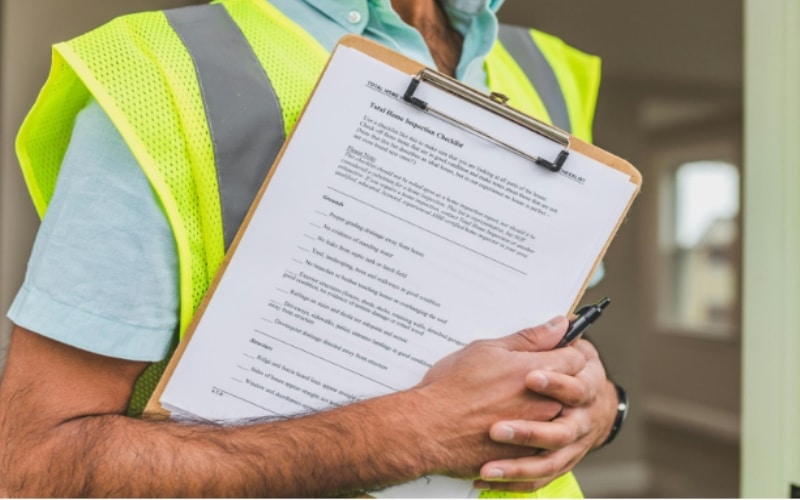
- Empowering Your Decision: A detailed checklist, often provided by the inspector or downloadable online, will outline the specific components examined during the inspection. This valuable resource allows you to follow along and gain a deeper understanding of the evaluation process.
II. Safeguarding Your Investment: The Power of the Home Inspection Contingency
Imagine finding your dream house for sale, only to discover hidden problems after the deal is sealed. A home inspection contingency acts as a safety net in your Philippine real estate journey. This clause, typically included in the purchase agreement, allows you, the buyer, to back out or renegotiate the purchase based on significant issues discovered during the inspection.
This contingency empowers you to make informed decisions. If the report reveals major structural problems, extensive leaks, or malfunctioning electrical systems, you can leverage this information to negotiate repairs, a price reduction, or even walk away from the deal if the issues are too substantial. The home inspection contingency empowers you to enter the homebuying process with confidence, knowing you have options if the property doesn’t meet your expectations.
III. Cracking the Code: Understanding Your Home Inspection Report
The home inspection report might seem like a document written in a foreign language at first glance. Don’t worry! This section will equip you, the Filipino homeowner, to decipher its meaning.
- Understanding the Lingo: Most inspectors will provide an explanation of the terms and conditions used in the report. Familiarize yourself with these to gain a clear understanding of the inspector’s findings.
- Separating Minor Nicks from Major Headaches: The report will likely categorize issues as minor, major, or requiring further evaluation. Minor issues might be cosmetic blemishes like chipped paint, while major ones could be structural cracks or faulty electrical wiring. Learn to differentiate between these so you can prioritize your concerns.
- Planning for the Future: Estimating Repair Costs: While the report won’t provide exact repair quotes, it can highlight potential problem areas. This allows you to factor in potential costs when making informed decisions about the property. Consider consulting with contractors to get a more accurate estimate for repairs.
IV. Navigating the Market: How Local Trends Shape Inspections in the Philippines
The Philippine real estate market is dynamic, and understanding current trends can influence your approach to home inspections. Here’s how:
- Market Fluctuations and Inspection Strategies: Rapid price increases or slow inventory turnover can impact how buyers and sellers approach inspections. In a fast-paced market, buyers might be more inclined to prioritize a quick closing over extensive inspections for a house for sale. Conversely, a buyer’s market might allow for more thorough inspections and leverage for negotiation, especially for commercial spaces for sale.
- A Buyer’s vs. Seller’s Market: Shifting Inspection Focus: The balance of power in the market can affect inspection priorities. In a seller’s market with limited inventory of condos or warehouses, buyers might be willing to overlook minor issues to secure a property. On the other hand, a buyer’s market might empower buyers to demand repairs for even minor problems identified during the inspection.

V. Conclusion: Safeguarding Your Investment Through Home Inspections
The Philippine real estate market offers exciting opportunities, but navigating it can be complex. A home inspection stands as a powerful tool, empowering both buyers and sellers to make informed decisions throughout the process. For buyers, it unveils the true condition of a property, allowing for confident purchases and fair negotiations. For sellers, it fosters transparency and attracts serious buyers willing to pay top dollar.
The Road to Homeownership: Proactive Engagement is Key
Don’t underestimate the value of a home inspection. By proactively engaging in this process, Filipino homeowners can safeguard their investment and embark on a successful real estate journey, whether buying their dream home or selling a cherished property. Remember, a home inspection is an investment in peace of mind, allowing you to navigate the exciting world of Philippine real estate with confidence.
Author’s Bio
Paula Pascual is a content writer at HousingInteractive. She started her career and became a licensed professional teacher at 19. Her passion for leading youths and young professionals led her to pursue a Master’s Degree in Guidance and Counseling, combined with her degree in Industrial Arts, which gave her a unique perspective and approach to writing.
