

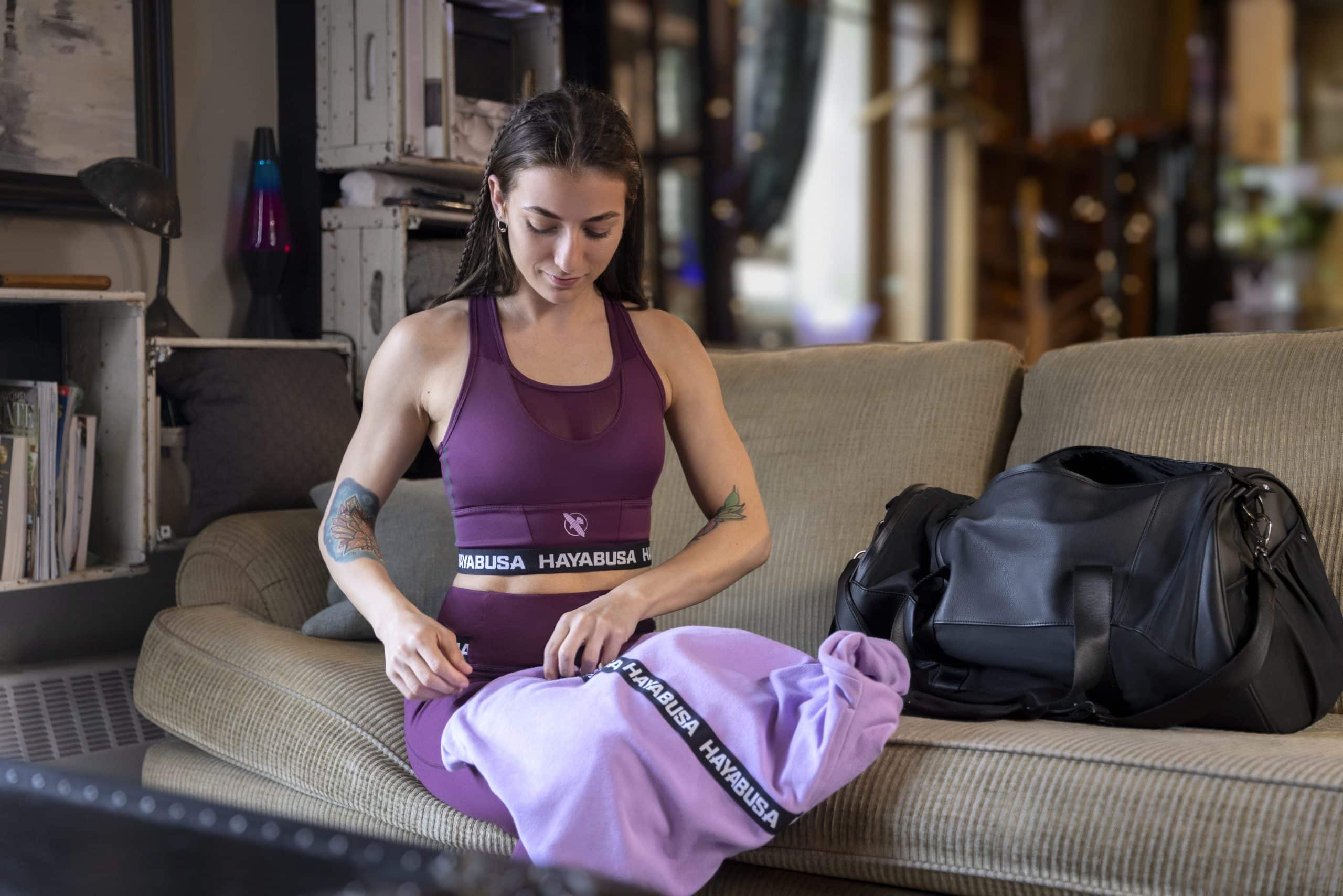
Athleisure wear, a fusion of athletic and leisure apparel, has transformed the fashion landscape, blurring the lines between workout gear and everyday clothing. This trend, characterized by its blend of style, comfort, and functionality, has taken the world by storm, becoming a staple in wardrobes across the globe. From gym enthusiasts to fashionistas, athleisure has redefined how we dress, seamlessly integrating into various aspects of daily life.
The Origins of Athleisure
The concept of athleisure isn’t entirely new. The roots can be traced back to the 1970s and 1980s when fitness culture began to gain mainstream popularity. During this period, people started wearing tracksuits and sneakers beyond the gym, influenced by icons like Jane Fonda with her aerobics videos and sportswear brands like Adidas and Nike. However, it wasn’t until the early 2000s that athleisure truly began to take shape as a significant fashion movement. You can check out Hayabusa Gym bags.
The catalyst for athleisure’s rise can be attributed to the increasing focus on health and wellness. As more people embraced active lifestyles, there was a growing demand for clothing that could transition seamlessly from exercise to everyday activities. This demand prompted fashion designers and athletic brands to collaborate, creating stylish yet functional apparel.
Key Features and Design Elements
Athleisure Wear is defined by several key features that distinguish it from traditional athletic or casual wear. One of the primary elements is the use of high-performance fabrics. These materials, such as spandex, lycra, and moisture-wicking blends, offer breathability, flexibility, and comfort. They are designed to support physical activity while maintaining a polished appearance suitable for casual settings.
Another critical aspect is the emphasis on versatility. Athleisure pieces are designed to be multifunctional, allowing wearers to easily transition from a workout session to running errands or meeting friends for coffee. This versatility is achieved through innovative design elements such as sleek lines, minimalistic aesthetics, and subtle branding that ensure the clothes look just as appropriate in a gym as they do in a casual office environment.
The Influence of Celebrities and Social Media
The popularity of athleisure has been significantly boosted by celebrities and social media influencers. High-profile figures like Beyoncé, Rihanna, and the Kardashians have been spotted sporting athleisure outfits, setting trends and influencing their massive followings. These celebrities often collaborate with major sportswear brands to launch their own athleisure lines, further cementing the style’s place in mainstream fashion.
Social media platforms like Instagram and TikTok have also played a crucial role in promoting athleisure. Fitness influencers and fashion bloggers frequently showcase their athleisure looks, offering inspiration and style tips to their audiences. Hashtags like #athleisure and #gymstyle have garnered millions of posts, creating a vibrant online community centered around this fashion trend.
The Impact on the Fashion Industry
The rise of athleisure has had a profound impact on the fashion industry. Traditional boundaries between athletic wear and casual wear have dissolved, leading to a shift in how designers approach their collections. Many high-end fashion brands, including Gucci, Chanel, and Balenciaga, have incorporated athleisure elements into their lines, creating luxe versions of sportswear staples.
Furthermore, the athleisure movement has influenced retail strategies. Stores now prominently feature athleisure sections, and online retailers have dedicated categories for this type of apparel. The demand for athleisure has led to increased innovation in fabric technology and sustainable practices, as consumers seek environmentally friendly options that do not compromise on performance or style.
The Future of Athleisure
As the world continues to prioritize health and wellness, the athleisure trend shows no signs of slowing down. The COVID-19 pandemic, which saw a surge in remote working and home workouts, further solidified the place of athleisure in everyday wardrobes. People sought comfortable yet presentable clothing that could accommodate both professional and personal activities within the confines of their homes.
Looking ahead, we can expect to see even more advancements in athleisure design. Innovations in smart fabrics, which can monitor body temperature and adjust to different conditions, are on the horizon. Additionally, the integration of technology, such as fitness trackers embedded in clothing, could further revolutionize the industry.
Sustainability will also play a crucial role in the future of athleisure. As consumers become more environmentally conscious, brands will need to adopt eco-friendly practices, from using recycled materials to implementing ethical manufacturing processes. This shift not only addresses consumer demand but also contributes to the overall health of the planet.
Conclusion
Athleisure wear represents a significant shift in the fashion industry, reflecting broader cultural changes towards health, wellness, and versatility. By combining the best aspects of athletic wear and leisure clothing, athleisure has created a new category that meets the demands of modern life. As this trend continues to evolve, it will undoubtedly shape the future of fashion, offering innovative and sustainable solutions for those who seek both style and functionality.
