

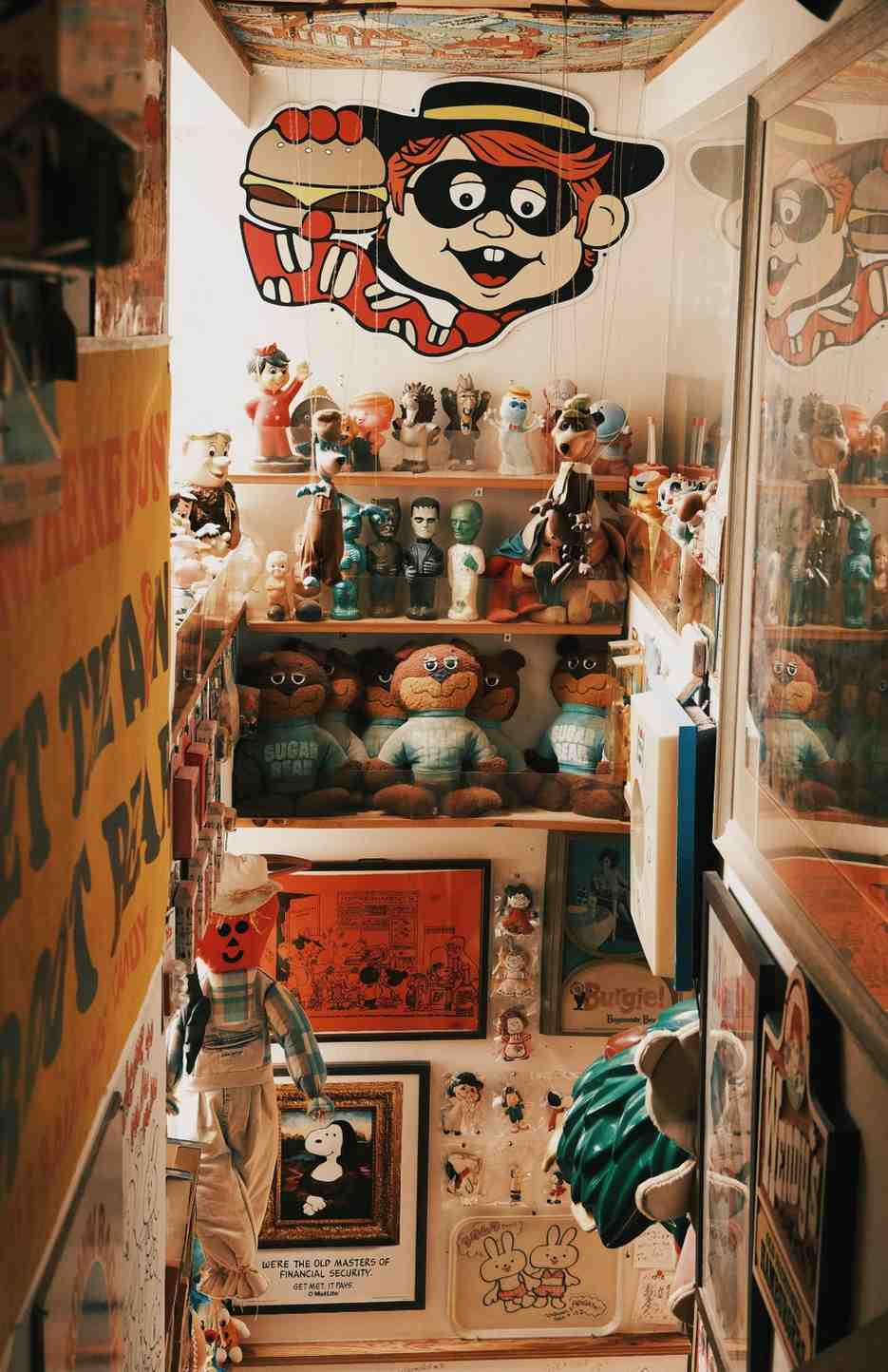
The vintage toy market has absolutely exploded over the past few years, with collectors and enthusiasts happily shelling out serious money for authentic pieces that transport them back to their childhood. But here’s the catch; this boom in popularity has also drawn in counterfeiters and less-than-honest sellers who’ve gotten pretty good at cranking out convincing reproductions or bending the truth about what they’re selling. Learning to tell genuine vintage toys from well-made fakes isn’t something you’ll master overnight. It takes research, a sharp eye, and hands-on experience.
Understanding Manufacturing Marks and Stamps
When you’re trying to authenticate vintage toys, one of your best friends is going to be the manufacturer’s marks, stamps, and molding details that were standard back in the day. Genuine vintage toys usually carry copyright information, country of origin stamps, and manufacturing codes that were either legally required or just standard practice during their production run. These markings tend to hide in spots you wouldn’t normally look at, think about the underside of bases, tucked inside battery compartments, or on the backs of action figures and toy vehicles. Modern reproductions often skip these details altogether, or worse; they include information that just doesn’t line up with what the historical records show.
Analyzing Material Quality and Construction Techniques
Here’s something that separates the real deal from clever knockoffs: the materials and construction methods used in vintage toy production are fundamentally different from what manufacturers use today. Vintage toys from the ’60s through the ’80s were made with specific types of plastics, metals, and paints that have distinctive characteristics, density, flexibility, and aging patterns that modern reproductions just can’t quite nail. Original vintage plastics have a particular feel to them: a certain texture, weight, and way they respond when you handle them that differs from contemporary materials. Authentic pieces show wear patterns that make sense for something that’s been around for decades, not the artificial aging attempts you’ll sometimes see.
Evaluating Packaging and Documentation
If you really want solid authentication evidence, original packaging is worth its weight in gold. Why? Because period-appropriate packaging is considerably harder to reproduce convincingly than the toys themselves. Authentic vintage packaging features specific printing techniques, cardstock qualities, and design elements that reflect whatever technology and aesthetic standards were around during that production era. The printing process used, how well the colors align, and how the paper has degraded over time, all of these provide important clues about whether packaging is legit age.
Recognizing Period-Appropriate Wear Patterns
Genuine vintage toys wear in specific ways after decades of being handled, displayed, and stored under various conditions. This natural aging process looks fundamentally different from artificial aging attempts on reproductions, because real aging happens gradually and unevenly based on how items were actually used throughout their history. Paint wear on authentic vintage toys typically shows up where you’d expect it, edges, protruding details, and articulation points where repeated handling causes gradual erosion. This looks like the suspicious uniform distressing you’ll often see on artificially aged reproductions.
Researching Production History and Variations
Doing your homework on production history, known variations, and documented characteristics of specific vintage toy lines gives you essential knowledge for authentication purposes. Many popular vintage toy lines went through multiple production runs with subtle changes, colors, materials, copyright information, or construction details that help you distinguish different manufacturing periods or regional releases. Smart collectors familiarize themselves with comprehensive reference guides, collector databases, and specialized forums where experts share detailed information about authentic examples, including high-resolution photos showing specific details worth noting. When building a collection of specific lines, collectors who need to verify authenticity and compare against documented examples often turn to specialized dealers offering wwf hasbro figures for sale with verified provenance and detailed condition reports. Understanding which variations actually exist versus which represent modern fantasy pieces or unauthorized reproductions prevents costly authentication mistakes that can really sting. Production numbers, rarity information, and historical sales data provide helpful context for evaluating whether supposed rare variations are genuine discoveries or suspicious creations designed to separate collectors from their money. Consulting with established collectors, joining specialized collector groups, and comparing potential acquisitions against documented authentic examples helps you develop the pattern recognition skills necessary for making confident authentication decisions on your own.
Consulting Expert Authentication Resources
When you’re dealing with particularly valuable or questionable vintage toys, bringing in professional authentication services and expert collectors provides that extra verification and peace of mind you might need. Several established authentication services specialize specifically in vintage toys, offering professional evaluation based on extensive databases of authentic examples, scientific analysis of materials, and decades of specialized expertise you just can’t get anywhere else. These professionals can spot sophisticated reproductions that might fool even experienced collectors, and they’ll provide detailed authentication reports that document their findings and explain their conclusions. Building relationships within collector communities creates access to collective knowledge and expertise that individual research simply cannot fully replicate, experienced collectors often pick up on subtle details and red flags based on years of hands-on experience that books and websites can’t teach.
Conclusion
Successfully authenticating vintage toys really comes down to combining multiple verification methods, examining manufacturing marks, analyzing materials and construction techniques, evaluating packaging characteristics, and recognizing legitimate aging patterns that tell the real story. Developing these authentication skills doesn’t just protect you from costly mistakes; it actually deepens your appreciation for the craftsmanship and historical significance of genuine vintage toys. As the collector market keeps growing and reproduction technology becomes increasingly sophisticated, staying vigilant and continuously expanding your authentication knowledge becomes absolutely essential for anyone serious about vintage toy collecting. Just remember that patience, thorough research, and the willingness to walk away from questionable pieces represent the hallmarks of successful collecting.
