

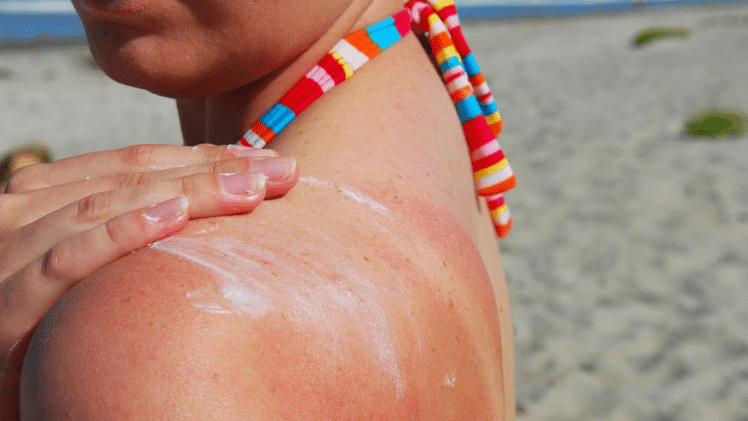
Sunburn is a common skin condition resulting from overexposure to ultraviolet (UV) radiation, typically from the sun. It manifests as red, painful skin that may be accompanied by swelling, blistering, and even fever in severe cases.
Given the ubiquity of sunburn and its potential to cause considerable discomfort, it’s important to explore remedies that offer relief. Among the various options available, antiseptic cream is a great option thanks to its dual action of soothing the affected area and preventing infection.
In this paper, we delve into the efficacy of antiseptic creams in alleviating sunburn pain. We will explore their mechanisms of action, potential benefits, and practical applications in managing sunburn discomfort.
Understanding Sunburn Pain
Sunburn occurs when the skin is exposed to excessive ultraviolet (UV) radiation, primarily from sunlight. UV radiation damages the DNA in skin cells, triggering inflammation and various physiological responses that manifest as sunburn. Understanding the causes and effects of sunburn is important in appreciating the pain it inflicts and the urgency of providing relief.
Causes and Effects
UV Radiation Exposure: The sun emits different types of UV radiation, including UVA, UVB, and UVC. UVB radiation is primarily responsible for sunburn as it penetrates the outermost layer of the skin (epidermis) and damages DNA in skin cells. UVA radiation can also contribute to skin damage and premature aging.
Inflammatory Response: When skin cells detect DNA damage caused by UV radiation, they initiate an inflammatory response. This response involves the release of various chemicals, including prostaglandins and cytokines, which cause redness, swelling, and pain.
Cellular Damage: UV radiation not only damages DNA but also affects proteins and cell membranes in the skin. This damage disrupts normal cellular functions and may lead to cell death or dysfunction.
Skin Barrier Compromise: Sunburn compromises the skin’s barrier function, making it more susceptible to dehydration, infection, and further damage from environmental factors.
Common Symptoms
- Redness: The hallmark symptom of sunburn is redness, which results from increased blood flow to the affected area as part of the inflammatory response.
- Pain and Discomfort: Sunburn typically causes pain, tenderness, and discomfort, ranging from mild to severe, depending on the extent of damage.
- Swelling: Inflammation leads to swelling as fluid accumulates in the affected tissues.
- Blistering: Severe sunburn may cause blisters to form as a result of fluid buildup beneath the skin.
- Peeling: As the skin attempts to repair itself, it may shed damaged cells, leading to peeling and flaking.
Need for Immediate Relief
Immediate relief is essential to alleviate discomfort and prevent further damage for several reasons:
- Pain Management: Sunburn may be intensely painful, impacting daily activities and quality of life. Prompt relief measures can help mitigate this pain.
- Preventing Infection: Sunburn weakens the skin’s barrier function, increasing the risk of infection and other complications. Immediate relief measures may help prevent these complications.
- Promoting Healing: Early intervention can aid in the skin’s repair process, minimizing the duration and severity of sunburn symptoms.
The Benefits of Antiseptic Cream for Sunburn Pain Relief
An antiseptic cream is helpful for alleviating sunburn pain and promoting healing due to its unique properties tailored to address the specific needs of sunburned skin.
Properties of Antiseptic Cream
Antiseptic creams contain active ingredients with antimicrobial properties. These agents help prevent bacterial growth on the skin, reducing the risk of infection in sunburned areas.
Many antiseptic creams have a soothing effect upon application, providing immediate relief from the burning sensation associated with sunburn.
Antiseptic Properties for Infection Prevention and Healing Promotion
Antiseptic creams contain agents that help prevent bacterial growth on the skin, reducing the risk of infection in sunburned areas. By keeping the affected area clean and free from pathogens, antiseptic cream supports the skin’s natural healing process.
Two Ways Antiseptic Cream May Help Relieve Sunburn Pain
1. Pain Relief
Antiseptic creams may include analgesic ingredients like lidocaine or benzocaine, which help alleviate pain and discomfort associated with sunburn. These topical anesthetics work by numbing the nerve endings in the skin, reducing the transmission of pain signals to the brain. By providing pain relief, antiseptic cream assists the individual’s comfort level, enabling them to better cope with the effects of sunburn and resume normal activities without undue discomfort.
2. Preventing Infection
Antiseptic creams contain agents with antibacterial properties, such as chlorhexidine or povidone-iodine, which help prevent infection and promote faster healing of sunburned skin. Sunburn compromises the skin’s natural barrier, making it more susceptible to bacterial colonization and infection. By applying antiseptic cream, the risk of infection is minimized, allowing the skin to heal without complications. Additionally, the antiseptic properties of the cream create an environment conducive to healing, further supporting the skin’s recovery process.
Conclusion
Antiseptic cream can be a versatile and effective solution for alleviating sunburn pain. Its benefits make it a valuable component of sunburn treatment regimens.
By relieving pain and preventing infection, antiseptic cream addresses the various aspects of sunburn discomfort and facilitates the skin’s recovery process. Its ability to soothe and protect makes it a reliable ally in managing sunburn symptoms.
Whether it’s for immediate relief or ongoing support during the healing process, antiseptic cream offers a practical and accessible solution for sunburn discomfort. However, it’s important to note that severe sunburn cases or worsening symptoms should always prompt consultation with a healthcare professional. While antiseptic cream can provide relief for mild to moderate sunburn, severe cases may require medical attention to prevent complications and ensure a speedy recovery.
