

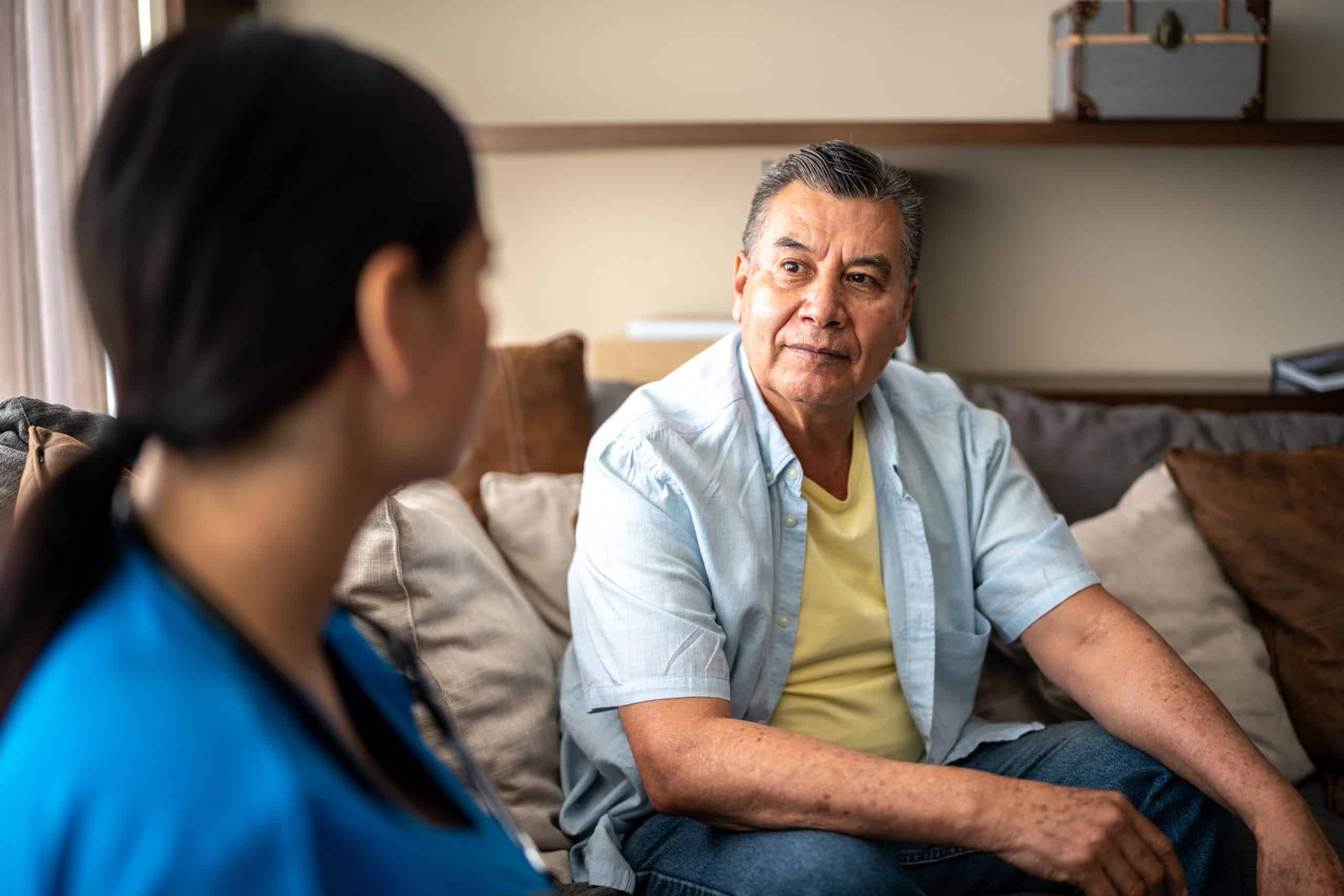
Caring for a cancer patient at home can be both rewarding and challenging. What are the essential aspects to consider when providing home care for patients suffering from cancer? Let’s delve into the crucial elements that ensure comfort, support, and effective management during this sensitive time.
Understanding Medical Needs:
Understanding the specific medical needs is paramount when providing home care for cancer patients. This includes administering medications as prescribed, managing symptoms like pain and nausea, and ensuring proper nutrition and hydration. Consulting with healthcare professionals regularly helps adapt care plans as the patient’s condition evolves.
Regular updates with medical professionals ensure that treatments are adjusted promptly to provide the best possible care. This proactive approach reduces complications and ensures patients receive the best appropriate treatment based on their changing health needs.
Emotional Support:
Beyond medical needs, emotional support plays a vital role in the home care of cancer patients. Listening actively, providing companionship, and creating a positive environment can significantly impact the patient’s well-being. Encouraging open communication about fears and feelings helps in fostering a supportive atmosphere.
Additionally, engaging in activities the patient enjoys, such as reading or watching movies together, can provide comfort and distraction from the challenges of treatment. This holistic approach nurtures emotional resilience and strengthens the bond between caregivers and patients during their journey.
Practical Assistance:
Assisting with daily chores like bathing, dressing, and mobility is essential for maintaining the patient’s independence and dignity. Organizing medications, scheduling appointments, and coordinating with healthcare providers streamline the caregiving process. Creating a comfortable and safe living environment also reduces stress for both the patient and caregiver.
Furthermore, adapting the home environment with mobility aids and safety equipment, such as grab bars or wheelchair ramps, enhances accessibility and promotes confidence in daily activities. Providing assistance with household tasks and meal preparation reduces physical strain. It enables the patient to focus on their recovery.
Monitoring and Communication:
In home care, it is critical to regularly assess symptoms and adverse effects. Tracking vital signs, noting any changes in health status, and promptly reporting concerns to healthcare professionals ensure timely intervention. Effective communication among caregivers, family members, and medical teams facilitates coordinated care and enhances patient outcomes.
Additionally, maintaining a health journal or using digital health apps to record symptoms and medication schedules improves accuracy in health monitoring and enables caregivers to provide detailed updates during medical appointments. Encouraging the patient to participate in self-monitoring develops a sense of empowerment and active involvement in their care journey.
Palliative Care and Pain Management:
Focusing on comfort and quality of life is paramount for patients undergoing palliative care. Implementing pain treatment solutions adapted to the patient’s needs, such as medication adjustments or complementary therapies, helps alleviate physical discomfort. Integrating holistic approaches like massage or music therapy can also contribute to overall well-being.
Additionally, ensuring a serene and calming environment at home, with soft lighting and soothing aromas, can enhance relaxation and emotional well-being. Providing opportunities for meaningful activities, such as reminiscing or engaging in hobbies, supports a sense of purpose and fulfillment during this sensitive time.
Comprehensive Home Care Services
Home care services provide essential support for patients undergoing treatment or managing chronic illnesses like cancer in the comfort of their homes. These services encompass diverse specialized care, including medical assistance such as administering medications, monitoring vital signs, and managing symptoms.
Moreover, home care professionals provide emotional support and companionship, fostering a nurturing environment conducive to healing and well-being. By tailoring care plans to meet individual needs and preferences, home care services enable patients to receive personalized and comprehensive care in familiar surroundings, enhancing comfort and quality of life.
Supporting Family Dynamics:
Navigating these services for a cancer patient also involves supporting the dynamics within the family unit. Here are some key considerations:
- Open Communication: Encourage family members to openly discuss their concerns, fears, and roles in caregiving.
- Assigning Responsibilities: Delegate tasks among family members to share caregiving duties and prevent overwhelming one individual.
- Family Meetings: Schedule regular family meetings to discuss the patient’s care plan, upcoming appointments, and any adjustments needed.
- Respecting Boundaries: Recognize and respect each family member’s limits and capabilities in providing care.
- Seeking External Support: Encourage family members to seek external support, such as counseling or caregiver support groups, to address emotional challenges and receive guidance in navigating the caregiving journey.
Navigating home care for cancer patients involves addressing medical needs, providing emotional support, assisting with practical tasks, monitoring health, managing pain effectively, and prioritizing caregiver well-being. By integrating these essential elements into the caregiving journey, families can create a supportive environment that enhances the quality of life for both patients and caregivers alike.
