

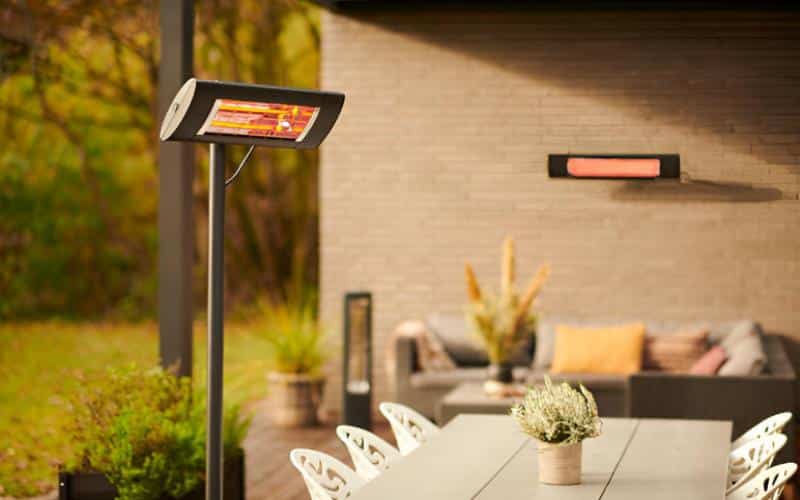
The demand for effective heating solutions is rising. Understanding your options is crucial for designing a cosy patio for winter gatherings. Let us answer a few questions on outdoor heating in Sydney.
1. What Types of Outdoor Heaters Are Available?
Gas designs can cover a lot of space well and come in different styles. Electric versions are better for small areas, though. The infrared kind uses radiant warmth that works even when it’s windy. If you want to go classic, wood-burning fire pits look excellent and make a cosy setup. But you’ve got to deal with getting fuel.
2. How Much Space Can an Outdoor Heater Cover?
The area an outdoor heater can heat depends on its type and power, and here’s a general guide:
- Gas Heaters cover about 200 to 500 square feet, depending on the BTUs.
- Electric Heaters are suitable for 100 to 150-square-foot areas.
- Infrared Heaters vary, but high-end models can warm 150 square feet nicely.
- Wood-burning fire Pit heat range and coverage depend on the fire size and weather, but they generally warm within a 6—to 10-foot radius.
3. How Can I Safely Use The Heaters?
When using a gas heater, ensure proper airflow to prevent carbon monoxide buildup. Use only outdoor-rated power cords and plugs for the electric heaters, and keep heaters away from water to avoid electric shocks. If you have an infrared Heater, try positioning it at the recommended height and distance from flammables. On the other hand, secure fire pits and heaters so they don’t tip over or fall to prevent accidents with wood-burning fires.
4. How Energy-Efficient Are Outdoor Heaters?
Infrared ones tend to be the best since they heat objects directly instead of the surrounding air, which reduces heat loss. Electric versions are also efficient for small spaces. Gas types put out a lot of heat but lose some in open areas. Wood-burning fire pits aren’t technically that efficient but provide a nice cosy vibe that some think makes up for the extra work and fuel.
5. Can Outdoor Heaters Be Used in Enclosed Spaces?
Use the right kind of heater for the space to avoid issues. Electric and infrared heaters are usually okay for semi-enclosed spots like patios with a roof but open sides. Never use gas heaters in fully closed spaces because of the risk of carbon monoxide buildup. Always ensure proper ventilation no matter what units you use to prevent dangerous fume accumulation.
6. What Maintenance Do Outdoor Heaters Require?
- Gas models: periodically check for leaks and inspect tubes and fittings. To keep outdoor heaters running correctly:
- Propane heaters: Wipe down the burners and check the pilot lights regularly so they work correctly. Also, store the propane tanks carefully when you’re not using them.
- Electric heaters—Keep them dust-free, and look over the cords and plugs often to see if they’re damaged. Store them somewhere safe during the off-months, too.
- Infrared heaters: Occasionally clean the reflectors and heating parts to keep them working efficiently. Double-check that the mounting hardware and connections are solid and safe. Follow the manufacturer’s instructions to maintain them.
- Wood-burning fire pits: Remove the ashes and clean the pit regularly. Check for rust and coat it if necessary. Store the firewood somewhere dry so it burns better.
Conclusion
Having an outdoor heater can make your patio or backyard more enjoyable for the rest of the year. If you know about the different kinds—like how much area they heat, their safety features, energy use, and whether they’re suitable for covered areas and maintenance—you can get the right one for your needs and have a comfortable spot to hang out.
