

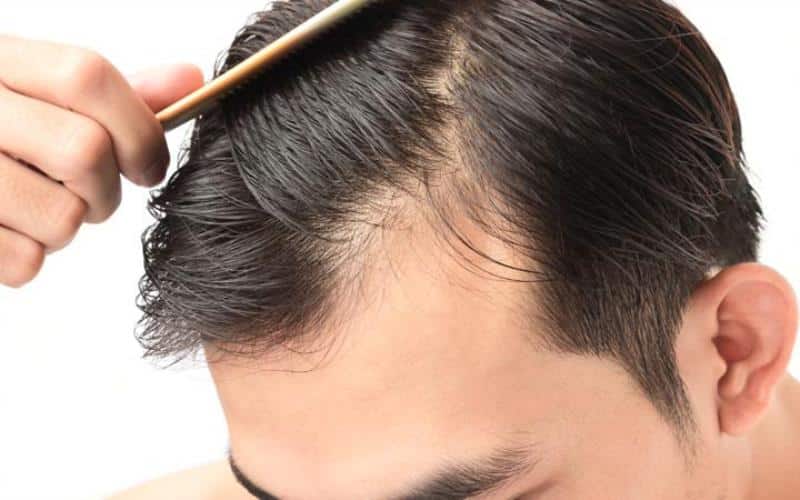
In the quest for a healthy lifestyle, many overlook the profound impact of smoking and alcohol consumption on hair health. The allure of these habits often masks their detrimental effects, leading to significant concerns about hair loss. However, it’s crucial to shine a light on the correlation between these lifestyle choices and hair health to empower individuals to make informed decisions.
Here is a look at the intricate relationship between smoking, alcohol consumption, and hair loss in men. This post will discuss how they contribute to hair loss and also options for hair loss treatment for men. Additionally, it will explore the various lifestyle changes that can mitigate the effects of these substances.
Smoking
The link between smoking and hair loss has long been established by scientific research. When you smoke, the harmful chemicals in cigarettes restrict blood flow to the hair follicles, depriving them of essential nutrients and oxygen. This leads to weakened hair roots, making them more prone to breakage and eventual hair loss.
Nicotine, a primary component of cigarettes, constricts blood vessels, further exacerbating the problem. Additionally, smoking increases the production of free radicals in the body, causing oxidative stress, which damages hair follicles and accelerates hair thinning.
Alcohol
Excessive alcohol consumption is another factor contributing to hair loss in men. Alcohol dehydrates the body and inhibits the absorption of vital nutrients essential for healthy hair growth. It also disrupts hormone levels, particularly testosterone, which is crucial in maintaining hair health. An imbalance in hormone levels can lead to conditions like alopecia, causing significant hair shedding.
Moreover, alcohol abuse often accompanies poor dietary habits, resulting in deficiencies in vitamins and minerals crucial for hair growth, such as vitamin B, zinc, and iron. These deficiencies weaken hair strands, making them more susceptible to damage and eventual loss.
Lifestyle Changes
If you’re determined to restore your hair to its former glory, embracing a holistic approach to hair care is essential. Alongside quitting smoking and moderating alcohol intake, incorporating specific lifestyle changes can further support your journey towards hair restoration.
Stress Management: Chronic stress can exacerbate hair loss by triggering hormonal imbalances and constricting blood flow to the scalp. Incorporating stress-relief techniques such as meditation, yoga, or deep breathing exercises can help alleviate tension and promote hair growth.
Balanced Diet: A well-rounded diet is pivotal in maintaining healthy hair. Ensure your meals include a variety of nutrient-rich foods such as leafy greens, lean proteins, fruits, and whole grains. Additionally, incorporating foods rich in omega-3 fatty acids, like salmon and walnuts, can nourish hair follicles and promote strength and resilience.
Scalp Care: Proper scalp hygiene is crucial for optimal hair growth. Regularly cleanse your scalp to remove excess oil, dirt, and product buildup, which can clog hair follicles and inhibit growth. Opt for gentle shampoos and conditioners formulated for your hair type and avoid overwashing, as it can strip the scalp of its natural oils, leading to dryness and irritation.
Adequate Sleep: Quality sleep is essential for overall health and well-being, including hair health. Aim for seven to eight hours of uninterrupted sleep each night to allow your body to repair and regenerate. Lack of sleep can disrupt hormone levels and increase stress, both of which contribute to hair loss.
Incorporating these lifestyle changes into your daily routine can create an environment conducive to hair restoration and rejuvenation. Remember, consistency is key, and patience is paramount on your journey to healthier, fuller hair.
Exploring Treatment Options
In addition to lifestyle changes, several treatment options can help combat hair loss effectively. Platelet-Rich Plasma (PRP) therapy has gained popularity as a hair loss treatment for men for its ability to stimulate hair follicles’ growth. This procedure involves extracting platelets from your blood, concentrating them, and injecting them into the scalp, promoting hair regrowth.
PRP therapy works by harnessing the growth factors present in platelets to stimulate dormant hair follicles, encouraging them to enter the active growth phase. The treatment is minimally invasive and typically requires multiple sessions to achieve optimal results. Many individuals experience noticeable improvements in hair thickness and density after undergoing PRP therapy, making it a promising option for hair restoration.
For those experiencing significant hair loss, hair transplant surgery offers a more permanent solution. During this procedure, hair follicles are harvested from donor areas and transplanted into balding or thinning areas of the scalp, resulting in natural-looking and long-lasting hair restoration.
Smoking and excessive alcohol consumption can have severe repercussions on hair health, leading to thinning and loss in men. Understanding the connection between these habits and hair loss is the first step towards making positive lifestyle changes. By quitting smoking, moderating alcohol intake, and exploring effective treatment options like PRP therapy and hair transplant surgery, men can reclaim their confidence and restore their hair to its former glory. Remember, a healthy lifestyle is not only beneficial for your overall well-being but also for maintaining a full and vibrant head of hair.
