

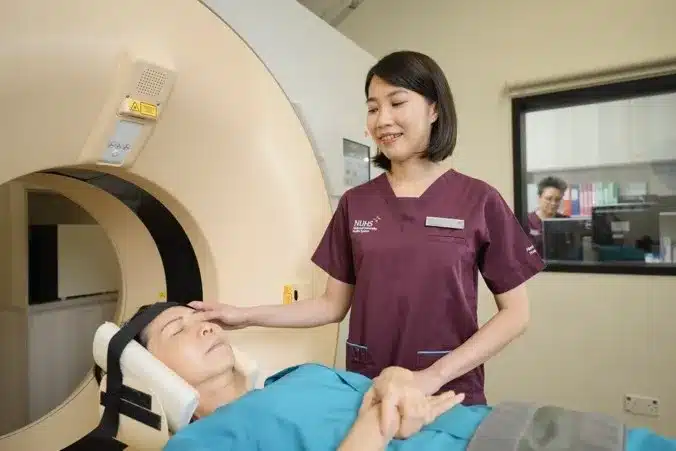
Stroke is one of the leading causes of disability and mortality in Singapore, making timely intervention crucial. Rapid and accurate diagnosis plays a vital role in effective strokes treatment Singapore, as identifying the type and location of a stroke can significantly impact recovery outcomes. Modern imaging and diagnostic technologies have revolutionized stroke care, enabling doctors to detect even subtle abnormalities, guide personalized treatment plans, and monitor progress. Patients and caregivers seeking professional guidance can learn about early evaluation and advanced care options at this article, ensuring the best possible outcomes. In addition, for a deeper understanding about the condition and treatment, visit this page https://chouneurosurgery.com/condition/strokes/.
Recognizing Epilepsy Symptoms
A stroke occurs when blood flow to the brain is interrupted, leading to cell damage and potentially lasting impairment. There are several types of stroke, including:
- Ischemic stroke: caused by a blood clot blocking a vessel.
- Hemorrhagic stroke: results from a burst blood vessel, causing bleeding in the brain.
- Transient ischemic attack (TIA): often called a “mini-stroke,” produces temporary symptoms but signals high risk for a future stroke.
The urgency of diagnosis cannot be overstated. Every minute counts. Rapid evaluation allows doctors to determine:
- Type of the stroke
- Location of the affected area
- Severity of brain injury
Early intervention can prevent complications, limit brain damage, and improve long-term recovery outcomes.
Modern diagnostic tools provide detailed imaging of the brain, helping specialists in Singapore design personalized treatment plans. Accurate imaging ensures the right approach is chosen for each stroke type, maximizing recovery potential and patient safety.
Common Imaging Techniques in Stroke Treatment
Accurate imaging is essential for effective stroke treatment in Singapore, as it helps doctors identify the type, location, and severity of a stroke. Some of the most commonly used imaging techniques in Singapore include:
- CT (Computed Tomography) Scan: Often the first imaging method in emergencies, CT scans quickly detect bleeding in the brain and help distinguish between ischemic and hemorrhagic strokes.
- MRI (Magnetic Resonance Imaging): Provides detailed images of brain tissue and can detect smaller strokes that may be missed on a CT scan. It is especially useful for evaluating ischemic strokes and assessing brain damage.
- CT Angiography (CTA) and Perfusion Imaging: Visualize blood vessels and measure blood flow in different regions of the brain, guiding procedures such as clot removal or thrombolysis.
- Diffusion-Weighted MRI: Highlights areas of acute ischemia, helping specialists plan targeted treatment quickly.
These imaging tools form the foundation of modern stroke care in Singapore, enabling timely and precise treatment decisions that improve recovery outcomes.
Advanced Imaging and Diagnostic Technologies
Modern stroke care in Singapore increasingly relies on advanced imaging and diagnostic technologies to improve treatment precision. These tools provide detailed information about the brain and blood vessels, guiding specialists in making timely and effective decisions. Key technologies include:
- CT Angiography (CTA):
- CT Angiography uses X-rays and contrast dye to produce detailed images of the brain’s blood vessels.
- Helps identify blockages, aneurysms, or vascular malformations that may require urgent intervention.
- Often used in emergency settings for rapid stroke assessment.
- MR Angiography (MRA):
- MR Angiography uses magnetic fields and radio waves to visualize blood vessels without X-ray radiation.
- Detects abnormalities, narrowing, or blockages in arteries supplying the brain.
- Useful for patients who cannot receive contrast dye or need repeated imaging.
Other advanced techniques, such as perfusion imaging and diffusion-weighted MRI, measure blood flow and detect acute ischemic changes within minutes of symptom onset. By integrating these technologies into strokes treatment, specialists can plan personalized interventions, monitor recovery, and maximize patient outcomes.
Follow-Up Monitoring
After the initial treatment, ongoing monitoring is essential for recovery. Follow-up imaging allows specialists to track the brain’s healing, detect complications such as recurrent strokes or swelling, and adjust treatment plans as needed. Regular screenings provide detailed information about recovery progress and help doctors evaluate the interventions.
In addition to imaging, continuous clinical assessments complement the data. By combining modern diagnostic tools with careful follow-up, strokes treatment can be optimized, enabling faster recovery, reducing the risk of complications, and improving long-term outcomes for patients.
Preparing for Your Visit and Tests
Selecting a clinic or hospital with advanced diagnostic and treatment capabilities is critical for optimal stroke care. Consider the following factors:
- Specialist Expertise: Look for neurologists and stroke specialists experienced in both ischemic and hemorrhagic stroke care.
- Advanced Imaging: Facilities should offer CT, MRI, CT/MR angiography, and perfusion imaging for accurate diagnosis.
- Comprehensive Care: Access to rehabilitation services, physiotherapy, and long-term follow-up.
- Emergency Readiness: 24/7 stroke response teams and rapid intervention protocols.
Conclusion
Modern imaging and diagnostic technologies play a vital role in effective strokes treatment in Singapore, enabling early detection, precise treatment planning, and personalized recovery strategies. Accurate and timely diagnostics not only improve outcomes but also help prevent complications and support long-term brain health. For expert evaluation and comprehensive stroke care, contact our clinic at:
