

Introduction:
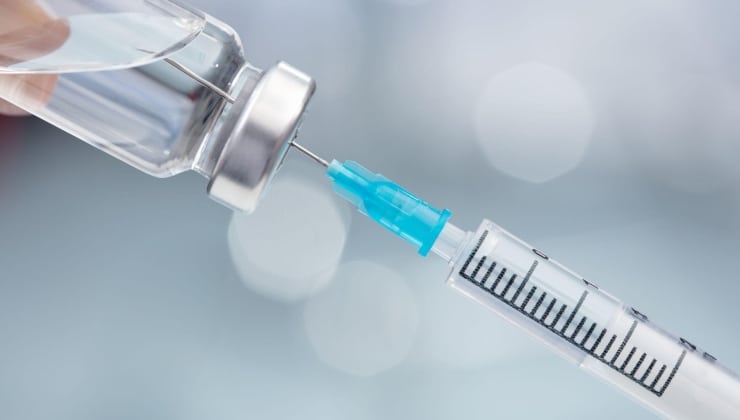
Syringe stoppers play a critical role in drug delivery, ensuring the safe containment and precise administration of medications. Recent advancements in syringe stopper technology have focused on enhancing safety, reliability, and efficiency in healthcare settings. This article explores innovative developments in syringe stopper technology and their impact on improving patient care and healthcare delivery.
Enhanced Safety Features:
- Needlestick Prevention: Innovations in syringe stopper design aim to reduce the risk of needlestick injuries among healthcare workers. Self-retracting syringe stoppers automatically retract the needle into the barrel of the syringe upon completion of the injection, minimizing the risk of accidental needlesticks and exposure to bloodborne pathogens.
- Tamper-Evident Seals: Tamper-evident seals integrated into syringe stoppers provide visual indicators of product integrity and ensure that medications have not been tampered with prior to administration. These seals offer an additional layer of safety and security, particularly for high-risk medications and controlled substances.
- Luer-Lock Compatibility: Syringe stoppers equipped with luer-lock connectors enhance compatibility with various needle sizes and types, ensuring secure attachment and preventing leakage or disconnection during drug administration. Luer-lock mechanisms provide a reliable and standardized interface for syringe assemblies, reducing the risk of medication errors and needle dislodgement.
Improved Performance and Efficiency:
- Low-Residue Formulations: Syringe stoppers manufactured from low-residue materials minimize the risk of drug adsorption and interaction, ensuring accurate dosing and drug delivery. These formulations reduce wastage and ensure optimal drug potency, particularly for high-value biologics and specialty medications.
- Lubrication Technologies: Advanced lubrication coatings applied to syringe stoppers reduce friction and enable smooth plunger movement, enhancing ease of use and user experience. Lubricated syringe stoppers require less force to operate, reducing the risk of user fatigue and repetitive strain injuries among healthcare providers.
- Reduced Dead Space: Syringe stoppers designed with minimal dead space optimize drug delivery accuracy by minimizing medication wastage and residual volumes. Reduced dead space syringes ensure that patients receive the full intended dose of medication, particularly for costly or limited-supply drugs.
Future Directions and Emerging Technologies:
- Integrated Safety Features: Future syringe stopper designs may incorporate integrated safety features, such as electronic dose tracking, RFID tagging, or barcode scanning capabilities. These technologies enable real-time medication tracking, dose verification, and adherence monitoring, enhancing patient safety and medication management.
- Smart Syringe Stopper Systems: Smart syringe stopper systems equipped with sensors and connectivity capabilities enable remote monitoring of drug administration parameters, such as dose volume, injection speed, and injection site. These systems provide valuable data insights for healthcare providers, facilitating personalized treatment optimization and patient care.
Conclusion:
Innovations in syringe stopper technology continue to drive improvements in safety, efficiency, and performance across healthcare settings. By incorporating enhanced safety features, improving performance characteristics, and embracing emerging technologies, modern syringe stoppers play a pivotal role in enhancing patient safety, optimizing drug delivery, and advancing healthcare delivery practices. As research and development efforts in syringe stopper technology continue to evolve, the future holds promise for further advancements in safety, efficiency, and patient-centered care.
