

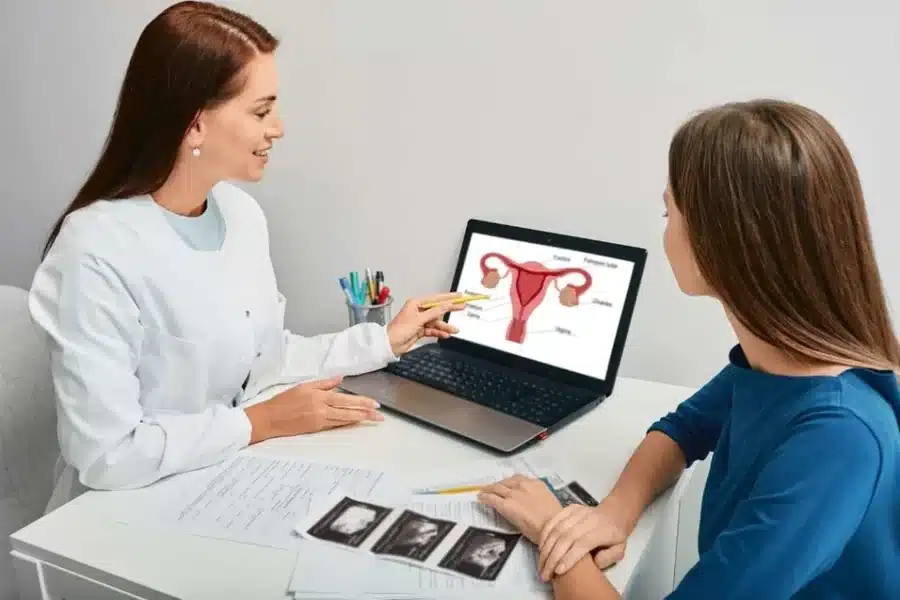
Getting the right gynecologist in Singapore is very important for your overall health and sexual well-being. Professionals in a wide range of areas are available, from those who are great at regular checkups to those who know a lot about pregnancy and more serious illnesses. For many, choosing a female gynae in Singapore can also provide added comfort and ease during consultations. You can make wise choices if you know what they are. If you know what to expect during appointments, exams, and treatments, you can feel less worried, more confident, and sure that you get care that fits your needs and tastes.
What Does “Gynae” Mean?
When we talk about gynaecology in Singapore, we’re referring to specialized medical care related to a woman’s reproductive system. This includes problems with periods, fibroids, ovarian cysts, PCOS, endometriosis, care during menopause, help with birth control, and female cancers. Besides that, it covers urogynaecology (problems with the pelvic floor or bladder) and pregnancy issues.
Latest Treatments Available in Singapore
Singapore’s health care scene is constantly changing. A gynae in Singapore can guide you through these innovations and explain which may suit your needs. Here are some of the newest ways to treat common gynaecological problems.
- Minimally invasive surgery: For conditions like endometriosis or fibroids, laparoscopic procedures offer shorter recovery and fewer risks compared to open surgery.
- Hormonal therapies: Birth control pills, IUDs, progestin therapy, and metformin are frequently used to manage heavy periods, PCOS, and endometriosis.
- Fertility treatments: IVF, ICSI, and embryo technologies remain cutting-edge, though primarily linked with fertility services (some overlap with gynaecological care).
- Conservative management: In some cases—like asymptomatic fibroids or small ovarian cysts—”wait and see” with imaging follow-ups is adopted.
Singapore standards encourage evidence-based, patient-centred care. When consulting a gynae in Singapore, it’s essential to have open discussions about your options and concerns. But always question: Are these treatments appropriate for your situation, and what are the potential risks or alternatives?
How Treatments Compare Condition by Condition
Here is a look at some common illnesses and the possible ways to treat them.
1. Extreme Period Bleeding (Dysmenorrhea)
- First-line: NSAIDs and heat are effective pain relievers.
- If not enough: There are hormonal choices, like birth control pills or tranexamic acid.
- Severe cases: Surgery, like uterine ablation or even a hysterectomy, may be suggested.
2. Pelvic Pain (Endometriosis / PID)
- Mild cases: NSAIDs with inhibition of hormones.
- Persistent or fertility-impacting: Laparoscopic surgery for diagnosis and treatment.
3. Infections (BV, Yeast, STIs)
- BV: Oral or topical antibiotics; avoid douching.
- Yeast: Antifungal creams or tablets.
- STIs: Depending on the type—antibiotics or antivirals—plus telling the partner.
4. PCOS
- Lifestyle: Weight management, exercise.
- Medical: Hormonal contraceptives, metformin, anti-androgens, or ovulation induction.
5. Fibroids
- Monitoring: If small or symptom-free.
- Treatment: Depending on how bad the pain is and your fertility goals, you may need pain treatment, hormone therapy, or surgery.
6. Ovarian Cysts
- Observation: Many are benign and resolve.
- Intervention: If it doesn’t go away, hurts, or seems odd, a cystectomy or oophorectomy should be done.
7. Cancers / Precancerous Conditions
- Early: Pap smears, HPV testing, vaccination.
- Advanced: Surgical and oncological treatments tailored to the type.
Factors Affecting the Cost of Treatments/Procedures
It is helpful to minimize surprises if you are aware of what drives costs. Several factors can bring about changes in the price of gynaecological treatment in Singapore.
- Treatment type: Conservative vs. surgical vs. advanced procedures like laparoscopy or fertility workups.
- Setting: Public hospital (subsidized) vs private clinic or specialist center.
- Complexity: Additional diagnostics (MRI, imaging), anesthesia, and follow-ups.
- Insurance/Medisave: Outpatient vs inpatient categories, pre-approval needs.
- Additional support: Counselling, nurse specialists, and fertility counseling may add to costs, but also to quality.
Always ask for a breakdown—or even an estimate—before proceeding. Your gynae in Singapore should be transparent about all potential costs involved.
Suitable Candidates for Specific Treatments
In some cases, it is not the most effective technique to treat someone. Things like these should be taken into consideration when searching for a gynae in Singapore.
- Hormonal therapy: Best for those with cyclical symptoms like heavy periods or PCOS, who prefer non-invasive management.
- Laparoscopy or surgical intervention: Candidates include those with pain unresponsive to medication, infertility concerns, or suspicion of pathology (fibroids, endometriosis).
- Watchful waiting: Ideal when the condition is mild, symptom-free, and not likely to worsen.
- Fertility treatments: Reserved for couples with infertility or specific reproductive issues.
- Oncological care: Tailored to the seriousness of the condition, early detection through Pap/HPV allows less invasive options.
If you’re considering a treatment, ask: What else could work first? Your gynae in Singapore can help you understand the options and their suitability. What are the criteria for success? When would you reconsider the approach?
Dos and Don’ts When Preparing for a Gynae Treatment
Dos
- Do verify diagnostic results and confirm that treatment is appropriate.
- Do ask about preparation—e.g., fasting, filling bladder for ultrasound, medication adjustments.
- Do request cost estimates and clarify what’s covered by insurance or Medisave.
- Do discuss risks and recovery—how quickly can you return to daily life?
- Do ask about follow-up: When, how, and what signs to watch for.
Don’ts
- Don’t assume newer means better—evidence matters.
- Don’t skip second opinions if you feel uncertain.
- Don’t ignore symptoms—Through timely review, issues can be avoided.
- Don’t proceed without understanding: treatment scope, side effects, alternatives.
Common Patient Questions (“FAQs”) and How to Frame the Discussion
- “Is this period pain normal?” Many women have cramps, but if the discomfort is significant or interferes with their day-to-day activities, it could be a sign of dysmenorrhea or endometriosis, which should be checked out.
- “When should I see a gynae in Singapore?” Ideally, this should be done annually, or whenever you note pain, abnormal bleeding, discharge, or changes in your cycle.
- “Can lifestyle help PCOS?” Yes—weight loss and activity significantly improve symptoms and metabolic health.
- “Are all ovarian cysts harmful?” Many of them are harmless and only temporary. Intervention is typically only required for those who are persistent or have a significant issue.
- “Will I always need surgery?” It is not always the case. Medication or close observation can help in many cases, but the outcome depends on the severity of the condition, the goals, and the associated risks.
Lastly
Because there are so many choices, ads, and scary stories about gynecology in Singapore, it’s simple to feel stressed. You can tell the difference between treatments that work and those that are just hype if you are skeptical and ask questions. Ask for proof, look for details, and ensure that your actions are always aligned with your health goals and overall life.
For a trusted overview of gynaecological topics, consult the female gynae in Singapore resource. Use it as a springboard to informed conversations—not as the final word.
