

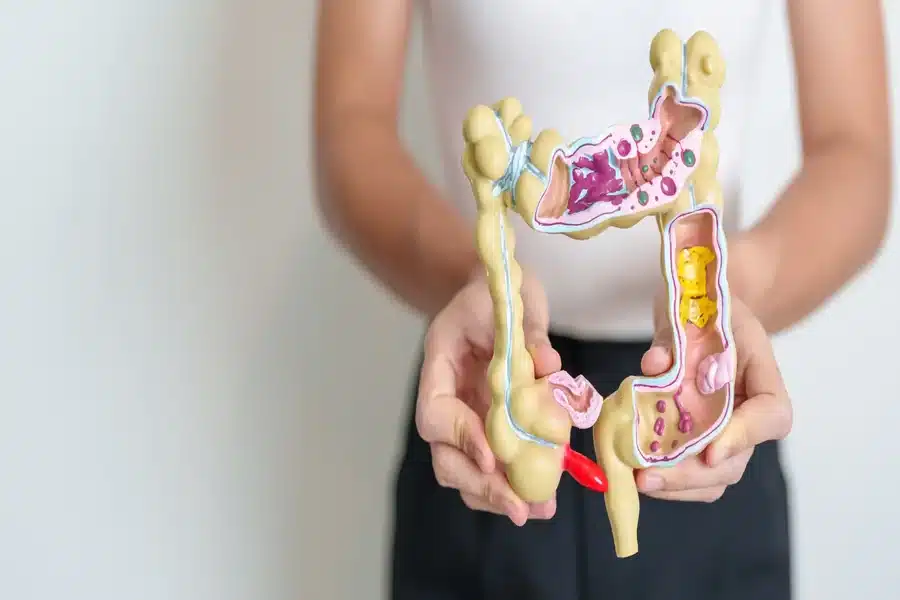
Let’s be real: bloating, digestive discomfort, and food sensitivities are not exactly glamorous topics. But lately, more and more people—including public figures and celebrities—are stepping forward to talk about it. From actresses discussing their bloating on red carpets to influencers sharing low-FODMAP recipes with millions of followers, gut health has entered the mainstream conversation in a big way.
It’s no longer just the stuff of niche blogs or dietitian’s offices—FODMAP intolerance is now being discussed on podcasts, in interviews, and even on TikTok. And for good reason: millions of people suffer silently with symptoms they can’t quite explain—bloating, cramping, unpredictable bathroom habits, fatigue, or even brain fog after meals.
Whether you’ve been officially diagnosed with IBS, or you just have a hunch that certain foods don’t sit right with you, it’s entirely possible that FODMAPs—a group of fermentable carbohydrates—are playing a role in your digestive distress.
The good news? You’re not alone. And there’s a lot you can do to find relief (you can learn more about relief options here).
Wait—What Are FODMAPs Again?
FODMAP stands for Fermentable Oligosaccharides, Disaccharides, Monosaccharides, And Polyols. They’re types of carbohydrates that are poorly absorbed in the small intestine and then fermented by gut bacteria in the large intestine. That fermentation leads to gas, bloating, and discomfort—especially in people with sensitive guts or IBS.
FODMAPs are found in tons of otherwise “healthy” foods, including:
- Garlic and onions
- Wheat and rye
- Apples, pears, and watermelon
- Lentils and chickpeas
- Milk, yogurt, and soft cheeses
This is one reason so many people feel confused when trying to “eat clean” or go plant-based—and still feel worse after meals. You’re eating well, but your body is reacting like it’s under attack.
Why Everyone’s Talking About It (Even the Famous Folks)
In the past, digestive issues were considered taboo. People kept it quiet. Now, that’s changing—fast. You’ve probably seen interviews or social media posts where celebrities talk candidly about food sensitivities, bloating on camera, or having to skip certain meals on set because of digestion issues. It’s refreshing, right?
When someone in the spotlight admits, “Hey, I love garlic bread, but it wrecks me for 48 hours,” it helps normalize the experience for the rest of us. And it’s not just about relatability—it’s a reminder that this is real, it’s common, and it’s something we’re all allowed to talk about.
But here’s the thing: knowing that others deal with it is comforting, sure. But it doesn’t fix the problem. If you suspect FODMAPs are wreaking havoc on your digestion, what can you actually do about it?
Step One: Tune Into Your Gut
Before diving into elimination diets or stocking up on supplements, start by tracking how you feel. Keep a journal for a week or two and jot down:
- What you eat (especially garlic, onions, bread, legumes, dairy, fruits)
- How you feel within 30 minutes to a few hours
- Any fatigue, bloating, gas, or bathroom irregularities
You don’t need to become obsessive—but the patterns are often revealing. You may notice that your “healthy” smoothie or kale salad is followed by cramping and bloating, or that your energy dips every time you eat an apple.
Step Two: Try a Low-FODMAP Reset
The low-FODMAP diet isn’t meant to be a lifelong way of eating—it’s a short-term diagnostic tool. The idea is to eliminate high-FODMAP foods for 4–6 weeks, then slowly reintroduce them one at a time to identify your personal triggers.
It’s best done under the guidance of a dietitian if possible, because:
- It can be restrictive and a bit overwhelming at first
- Not all FODMAPs affect everyone the same way
- Reintroduction is where the real clarity comes in
That said, many people start with basic swaps: using garlic-infused oil instead of garlic, choosing gluten-free pasta made from rice or quinoa, and avoiding apples in favor of berries or bananas.
Step Three: Consider Digestive Enzyme Support
One helpful tool that doesn’t get enough attention is digestive enzymes—particularly those designed to break down FODMAPs like fructans (found in garlic/onions) or galacto-oligosaccharides (in beans and legumes).
Taking a digestive enzyme before a high-FODMAP meal can reduce symptoms and make it easier to enjoy foods that you’d otherwise avoid. No, it’s not a pass to eat unlimited garlic knots, but it can be a game-changer for social events, travel, or those nights when cooking low-FODMAP just isn’t realistic.
Step Four: Strengthen Your Gut
If your digestive system feels off all the time, there’s likely some underlying imbalance—whether it’s leaky gut, dysbiosis (microbial imbalance), or low enzyme production. Supporting your gut with probiotics, fermented foods, stress reduction, and good sleep can make a huge difference over time.
Some daily practices to support gut health:
- Start meals with a few deep breaths to activate “rest and digest” mode
- Chew food thoroughly—seriously, it helps!
- Stay hydrated throughout the day
- Avoid grazing constantly; give your gut time to rest between meals
Final Thoughts: You Don’t Have to Live with This Forever
FODMAP sensitivity can feel confusing and frustrating—especially when you’re doing everything “right” and still feel off. But with a little curiosity, a few smart swaps, and support from tools like digestive enzymes or professional guidance, you can find your personal balance.
You don’t have to go it alone. You don’t have to give up all your favorite foods. And you definitely don’t have to settle for a life of chronic bloating, brain fog, or unpredictable digestion.
Because whether you’re on a movie set or just trying to survive a Monday morning Zoom meeting, everyone deserves to feel good in their body—and that starts with the gut.
