

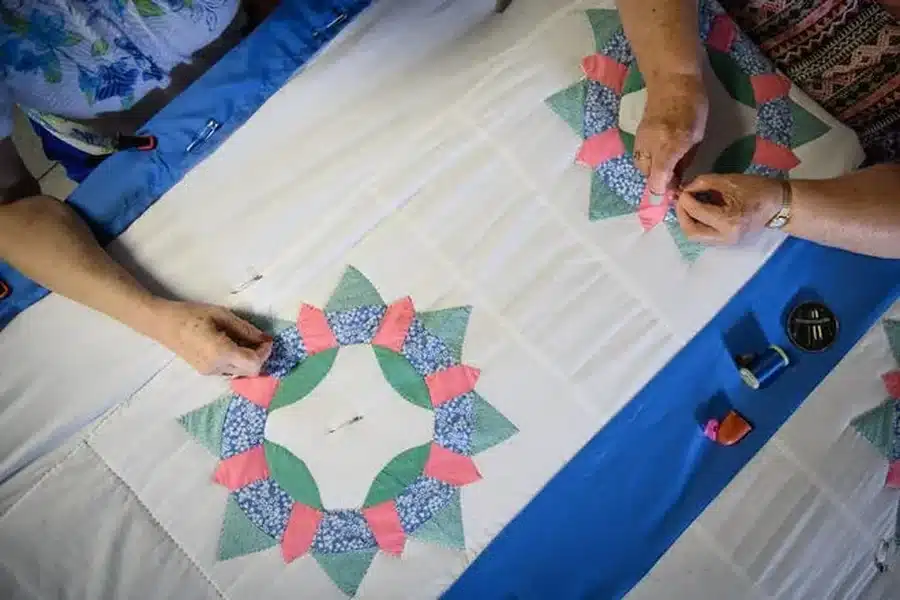
Walk into any quilt shop and you’ll find yourself surrounded by rows of fabric that feel more like a painter’s palette than a textile collection. From delicate florals and bold geometrics to buttery-soft solids and textured blends, every bolt holds potential. But for seasoned quilters and beginners alike, selecting the right fabric for quilting is more than just picking pretty patterns. It’s about understanding the structure, feel, and behavior of different materials to ensure every stitch holds and every quilt tells its story.
Quilting is a centuries-old tradition, one that combines artistic expression with technical skill. And at the heart of every masterpiece, from heirloom bedspreads to modern wall hangings, lies fabric. Whether you’re hand-stitching a baby blanket or piecing together a showstopper for competition, your fabric choices will affect the final product in ways both visible and subtle.
Why Fabric Matters More Than You Think
When quilting, you’re not just sewing fabric together. You’re building a textile sandwich—typically made up of the quilt top, batting, and backing—that needs to breathe, flex, and hold together through time, washing, and use. If one layer is stiffer, stretchier, or looser than the others, you could end up with puckering, fraying, or shifting.
This is why cotton has long reigned as the favorite fabric for quilting. High-quality quilting cotton strikes a rare balance: it’s durable but soft, easy to press, and behaves predictably when cut and sewn. It also holds its shape well, absorbs dyes beautifully, and works equally well in traditional and contemporary quilt designs.
But cotton isn’t the only option. In recent years, more quilters have been exploring linen, silk blends, flannel, and even repurposed garments to add texture and personality to their work. Each brings its own strengths—and challenges.
Quilting Cottons: The Gold Standard
Most quilt shops and online retailers carry cotton specifically designed for quilting. What sets it apart from regular cotton? It’s usually tightly woven with a high thread count and a soft but crisp hand feel. It resists fraying and won’t shrink dramatically when washed, which is critical when you’re working with small pieces and detailed patterns.
Another bonus: quilting cotton comes in thousands of prints and colors. Designers release collections every season, often coordinating fabrics so quilters can easily mix and match within a theme. This makes planning a quilt more accessible, especially for those less confident in choosing colors or prints.
Still, not all cottons are created equal. Bargain-bin fabrics may feel thin, stiff, or too loosely woven, which can result in frustration when seams don’t line up or blocks warp after pressing. Investing in high-quality cotton pays off, especially for larger or long-lasting projects.
Flannel, Linen, and Other Fabric Adventures
Flannel is a cozy alternative for quilts intended to keep someone warm. Its brushed surface is incredibly soft, making it ideal for baby quilts or winter throws. However, it tends to stretch and fray more than quilting cotton, so it requires careful handling and sometimes a slightly larger seam allowance.
Linen and linen-cotton blends offer a textured, modern aesthetic. Their nubby weave and muted tones work well in minimalist or farmhouse-inspired designs. On the downside, linen can shrink significantly and may require pre-washing and extra pinning during construction.
Some adventurous quilters even incorporate denim, chambray, or silk. These fabrics introduce texture, sheen, or weight to a quilt, but they also demand advanced techniques. For example, silk can be slippery, and denim can be too thick to quilt easily unless you have a heavy-duty machine and a sharp needle.
If you’re using mixed fabrics in a single quilt, test everything first. Wash your materials, press them, and see how they behave when sewn together. Keeping consistency in fabric weight and stretch helps ensure the finished quilt lies flat and wears evenly.
Precuts and Planning Made Easy
One innovation that has taken the quilting world by storm is the rise of precut fabric bundles. These are collections of coordinating fabrics cut into standard shapes like squares (charm packs), strips (jelly rolls), or triangles. For beginners, precuts offer a shortcut to matching fabrics without buying yardage of each one. For pros, they speed up the cutting process and open the door to fast, fun projects.
When using precuts, though, it’s still important to consider the quality of the fabric. Stick with trusted brands and test a few pieces for fraying or distortion. Pair them with similar-weight fabrics and be careful about how you press your seams, since many precuts have exposed bias edges that can stretch.
Choosing the right fabric for quilting doesn’t mean sticking to a single formula. It means understanding how your fabric choices interact with design, function, and technique. Whether you’re sewing by hand or with a long-arm machine, your materials are your tools—and your inspiration.
Sustainability and Sentiment
Quilters have long been ahead of the curve when it comes to repurposing and sustainability. In fact, the very origin of quilting was born from necessity, with women saving scraps from worn-out clothing to keep their families warm. Today’s eco-conscious crafters are embracing that tradition by incorporating thrifted materials, organic cotton, and even fabric scraps into their projects.
Using old clothes, for example, adds both environmental value and emotional significance to a quilt. A grandmother’s apron, a child’s outgrown dress, or even shirts from a loved one can be transformed into a quilt that tells a story and becomes an heirloom.
Recycled or upcycled fabric for quilting does come with extra considerations. Make sure to prewash everything to eliminate sizing, check for weak spots in the fabric, and test how it behaves with your other materials.
Tips for Choosing and Caring for Quilting Fabric
- Always prewash your fabric unless you’re using precuts or working with shrink-resistant material. This prevents unexpected shrinkage later.
- Test for colorfastness—especially with reds or dark hues that may bleed. Soak a small swatch in warm water and blot with a white cloth to check.
- Use sharp rotary cutters or scissors when cutting to avoid frayed edges.
- Store your fabric in a cool, dry place, away from direct sunlight, to prevent fading.
- Stick to trusted suppliers. While online marketplaces can be convenient, buying from dedicated quilting shops ensures better quality and customer support.
Ultimately, fabric selection is part science and part instinct. You’ll get better at it with time, and it’s half the fun of quilting anyway. Let your creativity lead, but don’t ignore the basics. Choosing the right fabric for quilting can elevate your project from good to unforgettable.
In a world full of fast fashion and digital everything, quilting remains a hands-on, heartfelt craft. It’s about color and comfort, patience and precision. And behind every beautiful quilt is a thoughtful choice of fabric—the thread that ties it all together.
