

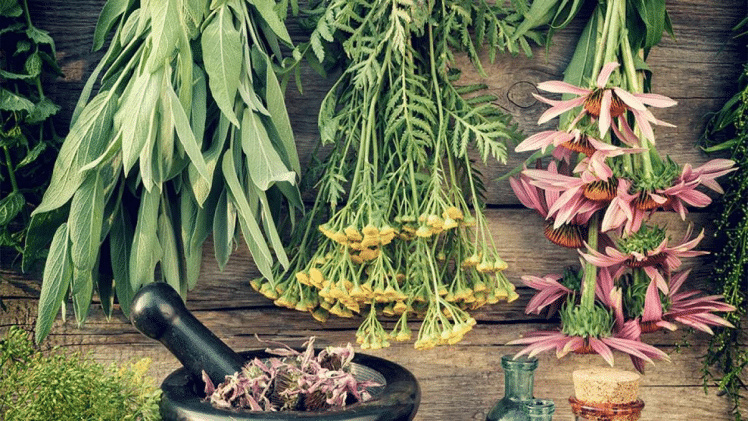
Herbal extracts are very beneficial compounds that are derived from the parts of plants. They have many unique features and applications which make them a profitable commodity in the import export market all over the world. The methods like percolation, steam distillation and cold pressing are mainly used to derive these extracts. We will talk more about these methods in detail below. These extracts have also been used both in modern and traditional medicine because of their healing properties. Other than that, they also have many uses in the food and skincare industry because of their many benefits. These extracts come in different types and concentration levels, each with its own beneficial properties. In this blog, we will discuss these extracts in detail.
What are herbal extracts?
These extracts are concentrated forms of compounds derived from plants. The compounds in this preparation are obtained using different extraction methods. These extracts are commonly used for their medicinal and therapeutic properties. They are made by extracting particular compounds from plant material with the help of solvents like alcohol or water, etc.
Features of Herbal Extracts
To understand these extracts better, you need to take a look at their features below:
- Concentration: They are concentrated preparations obtained from the beneficial parts of any plant. They are made to ensure a better and more potent utilization of the therapeutic properties of plant parts.
- Types of extracts: The type of solvent used to create a compound determines its type. Water-based extracts are made of water-soluble compounds like flavonoids and polysaccharides. There are also alcohol-based and oil-bassed extracts, which are very well known. The lesser-known extracts are Glycerites, where glycerine is used as a solvent. These are milder but potent.
- Applications: Because of their therapeutic effects, they are used in modern and traditional medicine. They can be ingested to be used internally or applied to be used externally. Extracts for ingestion are found in capsules, tea, and tinctures, while those for applications can be found in the form of creams, ointments, and oils. They are used for purposes like immunity boosting, relaxation, or relieving specific ailments.
- Standardized Concoctions: Certain extracts are standardized to maintain specific levels of active compounds. This maintains uniformity in their potency and, hence, their effects.
- Quality of Extracts: The strength of these compounds and their effectiveness, is directly dependent on their quality. It is the main reason why one needs to buy them from reputable vendors and marketplaces.
Herbal extracts are the best way to obtain the nutritional and healing properties of plants, which is why they are so popular in international markets.
Methods To Obtain Herbal Extracts
These extracts can be derived using a number of methods, these methods include:
- Maceration: In this process, the plant material (root, flower, stem, seed, etc.) is soaked in a solvent (Water/alcohol/etc.) to derive an extract. The soaked mixture is left to rest for a particular amount of time so as to dissolve its active compounds. Once the resting period is over, the liquid is filtered out, removing the solid parts of the plants, which results in the making of an herbal extract.
- Percolation: This is a method where a solvent like alcohol is passed through a column that contains a beneficial plant material. This method allows the solvent to absorb the dissolved constituents of plant material efficiently. This method is used where there is a need for a milder extract which has specific compounds but in a controlled concentration.
- Soxhlet Extraction: It is a technique that is used for the plant material which doesn’t dissolve in the solvent easily. This technique includes a continuous process of heating, vaporization and condensation of the mixture of plant material and the solvent. This procedure ensures that there is efficient extraction from the plant material.
- Steam Distillation: This method is used for the extraction of oil from fragrant plant materials. This method includes passing the plant material through steam so that the essential oils from plant materials evaporate. This potent vapour is then condensed in liquid form and collected, resulting in a separation of oil from water.
- Cold Pressing: This is a very popular method of making herbal extracts. It is commonly used to extract oil from fruits or seeds. In this procedure, mechanical pressure is put on the plant material without using any heat so that the integrity of the oil can be preserved. Oils like grapeseed oil and olive oil are extracted using this method.
Industrial Applications of Herbal Extracts
These potent compounds have a wide variety of industrial applications in so many sectors because of their properties. Their natural origin is another feature that makes them a profitable commodity in manufacturing processes. They are used in the pharmaceutical industry for their medicinal properties and are used in developing drugs. They are also used in dietary supplements because of their health benefits like improving digestion, and betterment of heart health etc. Other than these, they are also used in the food and skincare industry on a large scale for their respective benefits.
A Final Word
Herbal extracts play a major role when it comes to utilizing the healing and nutritional properties of plant material. They are used everywhere, from the pharma industry to skincare and to food. The manufacturing of so many types of products uses these extracts because of the amazing benefits they have to offer. If you are an entrepreneur looking for such extracts in bulk, you can simply buy them from a trusted vendor using The Bulk Cart platform where you can buy Bulk Tea Tree Oil, Manuka Oil bulk. Bulk Organic Jojoba Carrier Oil. There are so many different options available for you to choose from when vendors from all over the world are selling export-quality products on this platform.
