

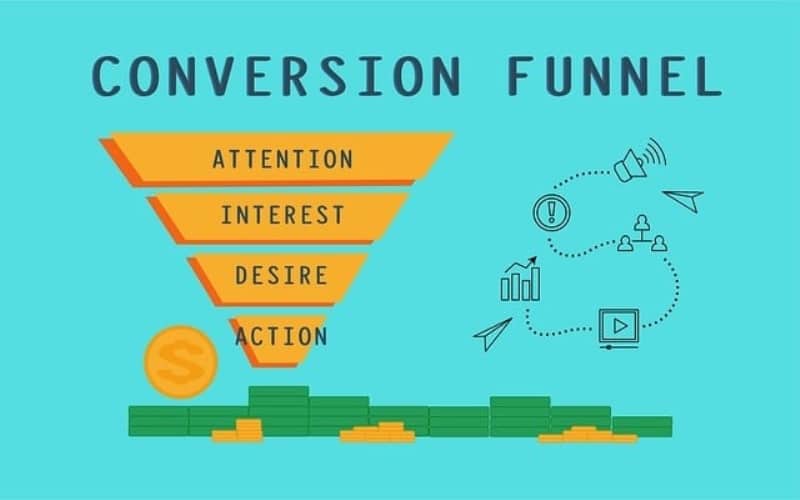
A well-structured sales funnel serves as the framework for leading the consumer through the buying process. The journey starts when the customer becomes aware of the brand and follows various stages that culminate in a purchase.
Crafting effective Clickfunnels with conversions distinguishes businesses in a highly competitive market. This is a key marketing strategy, vital for companies in every industry regardless of size.
They not only give the business leader critical feedback on what’s working with their methodologies and which areas offer the client a positive experience but also show where the company needs to improve.
Fundamentals Of a Sales Funnel

Business leaders incorporate sales funnels as key marketing strategies to align the consumer’s path with their brand. When well-structured, the journey will culminate with the customer making a purchase.
When implementing a sales funnel with its varied stages, the objective is to nurture the prospective customer to ultimately become a loyal client. Individual stages require a unique approach to lead the customer to the next level.
Stage one of the sales funnel starts with brand awareness, where the customer is introduced to the products and services. The priority is to generate a campaign that will draw the prospect in, making them curious to learn more so that they can then move forward into consideration.
Here, the consumer looks at the possible choices, including those other businesses offer. It’s vital to ensure they are well-informed and have solid evidence of why they should choose your company. Incorporating case studies and testimonials adds credibility and establishes trust.
Prospects are prepared to buy when they move into the decision stage. The priority is to introduce the items’ unique selling points, offer incentives, and ensure the consumer has a seamless buying experience. This will transition the customer into the loyalty stage.
Once the prospect has made a purchase and converted to a customer, the goal is to ensure they return by continuing to nurture the consumer relationship.
Following a customer well beyond the point of purchase through personalized offers, providing superior customer support, and loyalty programs can lead to repeat business.
Nurturing the repeat customer is as important as following a prospect through their initial journey through the sales funnel.
Mistakes When Implementing a Sales Funnel Strategy
For a sales funnel strategy to be effective, it’s critical to pay attention to the areas where businesses tend to fall short. Go here to find out if your sales funnel is failing you.
Neglecting each stage’s value
A common mistake among businesses is neglecting to value each stage when crafting a sales funnel. Nurturing the consumer through each stage is vital for the strategy’s overall success.
When any area is neglected due to insufficient resources and a lack of forethought, the business won’t realize a successful result, as seen with a viable sales funnel.
A strategic plan should be established with relevant resources to engage the consumer as they follow their journey. The customer is more likely to purchase if they find the entire experience nurturing, satisfying, and positive.
Neglecting customer input
Consumer input offers considerable insight that will help optimize your strategy. A business leader should look for every opportunity to gather customer feedback. Anytime this input is ignored or overlooked, it is a missed opportunity to better serve the consumer and improve the funnel.
You can encourage greater opportunities for feedback by enlisting review requests, surveys, and social listening. From these mediums, an analysis can be derived to recognize recurrences and follow up by making data-directed decisions to increase the sales funnel’s effectiveness.
Inconsistent follow-up
Follow-up should be consistent when nurturing leads to ensure a conversion. When timed poorly or inconsistently, the opportunity could be missed, resulting in a lost sale. An adequate system meant to nurture leads through their journey will include the following:
- Targeted campaigns.
- Personalized follow-up emails.
- Continued communication
These tactics keep your company ever-present in the prospect’s mind.
Crafting An Effective Sales Funnel Strategy
Once you know what not to do when crafting a sales funnel strategy, developing an effective strategy will be relatively straightforward. Here are the key components to that end.
The target consumer
As a primary step to crafting a sales funnel strategy, you must understand who the ideal consumer is, and identify the target customer. This will involve learning their buying preferences and specific needs or “pain points” to tailor the marketing efforts to align with these.
Developing a buyer persona, performing market research, and reviewing consumer data will help you gain insight into your target group. With this knowledge, you can then direct content that speaks to this audience’s preferences and needs.
The content
Prospects will be driven through their journey based primarily on content. Valuable information that aligns with the various stages is critical to a positive experience.
It should address the consumer’s needs as they travel from one step to the next. Leverage varied formats, such as social network posts, blog content, webinars, or videos, to engage each consumer, helping to build credibility and establish trust.
While the focus should be on informing, it must also be on engaging and shareable material that the target consumer can relate to.
CTA- Call-to-Actions

A compelling CTA—Call to Action—is a vital component of an effective sales funnel strategy. These prompt the consumer to follow a directive, such as leaving a review, registering for a newsletter, or making a purchase.
The CTA needs a prominent position and should communicate clearly to the consumer their next step. An adequate CTA can increase conversions but will also offer business leaders insight into optimizing the strategy.
The conversion rates
A sales funnel should be constantly optimized to “improve ROI and maximize conversions.” At each stage, the KPIs—key performance indicators—should be analyzed to assess needed improvements.
Different elements, including images, headlines, landing pages, and CTAs, should be routinely tested to identify what resonates better with the target consumer.
Consumer feedback and data will allow consistent sales funnel review and refinement to optimize the conversion rates, striving for business growth.
