

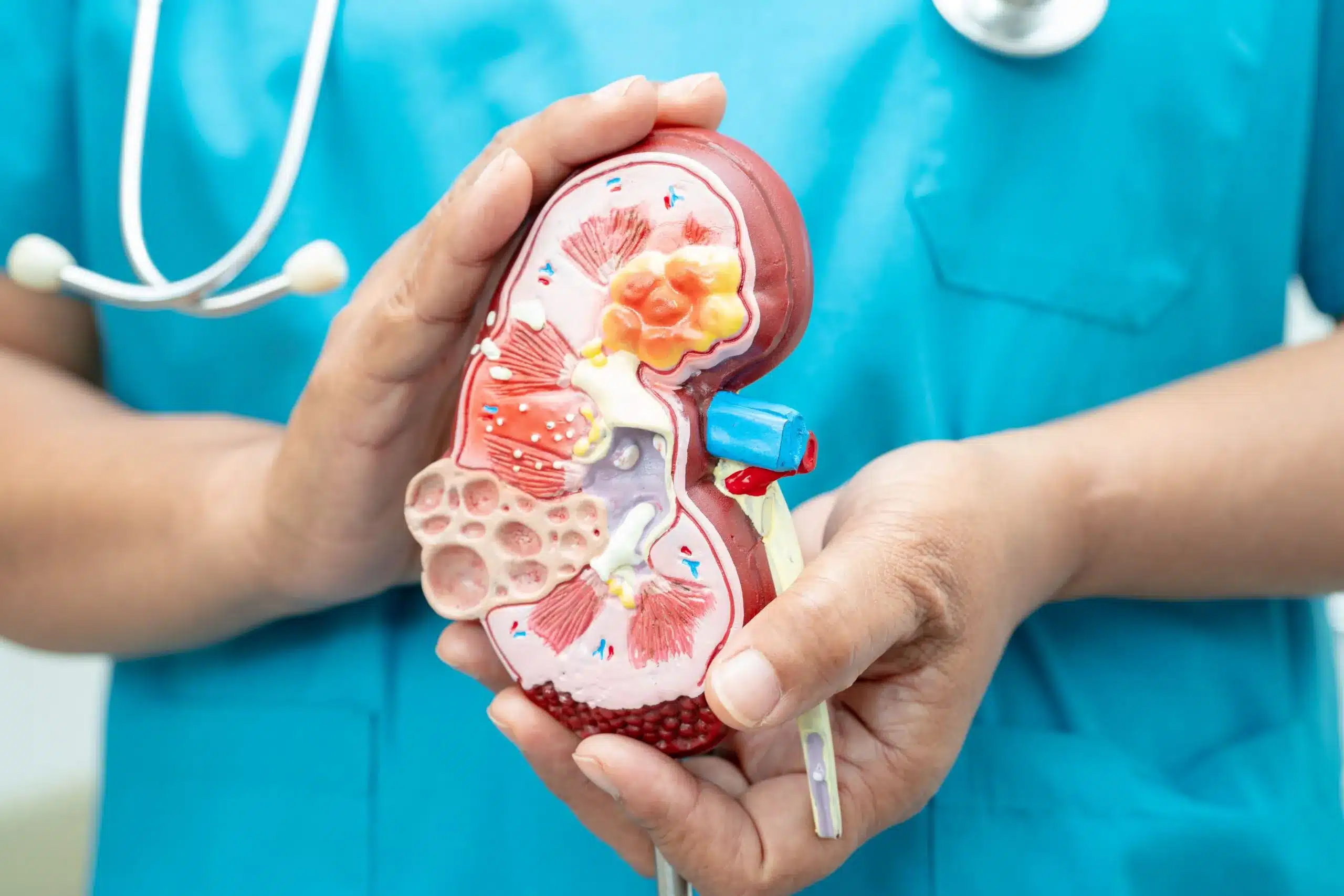
Kidney stones are a common and painful condition that affects many people in Singapore, often caused by dehydration, diet, or genetic factors. The discomfort can be intense, but the good news is that effective kidney stones treatment options are readily available today. From non-invasive approaches to advanced surgical techniques, patients have multiple ways to achieve relief and prevent recurrence.
This article provides a complete overview of how kidney stones are diagnosed and treated in Singapore, helping you understand what to expect and when to seek help from a qualified urologist. In the following sections, we’ll explore the various treatment options available and how each one works to restore kidney health.
How Kidney Stones Are Detected
Accurate diagnosis is the first and most important step before beginning any kidney stones treatment. Understanding the size, type, and location of the stone helps your urologist decide the safest and most effective way to remove it.
A thorough evaluation typically includes:
- Medical history and symptom review – Your doctor will ask about pain patterns, urinary symptoms, family history of stones, and previous episodes. Certain factors such as dehydration, high salt intake, or metabolic conditions can increase your risk.
- Physical examination – Gentle palpation of the abdomen and back helps identify tenderness or signs of infection.
- Urine analysis – Detects blood, infection, or crystals that may indicate the type of stone (e.g. calcium oxalate, uric acid).
- Blood tests – Measure calcium, uric acid, and kidney function levels to uncover underlying metabolic causes.
- Imaging tests
- Ultrasound: Non-invasive and safe, especially for initial assessment.
- CT KUB (Kidneys, Ureters, Bladder): The gold standard for detecting even tiny stones and determining exact location and density.
Accurate diagnosis allows your urologist to tailor a personalised treatment plan, whether observation, medication, or a minimally invasive procedure, ensuring the highest success and safety for your kidney health.
Non-Surgical Kidney Stones Treatment Options
Not all kidney stones require surgery. For small stones, especially those under 5 millimetres, conservative management can be effective and safe. Common non-surgical approaches include:
- Increased hydration – Drinking plenty of water (at least 2–3 litres a day) helps flush out small stones naturally through urine.
- Pain management – Non-steroidal anti-inflammatory drugs (NSAIDs) or other prescribed pain relievers reduce discomfort during the passage process.
- Medication-assisted stone passage – Alpha-blockers such as tamsulosin relax the ureter muscles, allowing stones to pass more easily.
- Follow-up imaging – Regular ultrasounds or X-rays monitor the stone’s progress to ensure it passes safely.
With proper medical supervision, many patients successfully pass small stones without needing surgical intervention.
Minimally Invasive Kidney Stones Treatment Options
When stones are too large to pass naturally or cause persistent symptoms, minimally invasive procedures offer effective and safe solutions. These treatments are designed to remove stones with minimal discomfort and short recovery times. Common options include:
- Shockwave Lithotripsy (SWL / ESWL) – Uses focused sound waves to break kidney stones into tiny fragments that can pass naturally in the urine. It is non-invasive and typically done as a day procedure.
- Ureteroscopy (URS) with Laser Lithotripsy – A thin scope is passed through the bladder and ureter to locate and fragment the stone using a laser. The pieces are then removed or left to pass naturally.
- Stent placement – Occasionally, a small temporary stent is inserted to keep the ureter open and aid healing after the procedure.
These techniques are highly successful and commonly available in Singapore’s modern urology centres.
Advanced Surgical Options for Larger Stones
For large or complex kidney stones, surgery may be the most effective treatment. Key options include:
- Percutaneous Nephrolithotomy (PCNL):
- A small incision is made in the back to access the kidney directly.
- The stone is broken into smaller pieces and removed through a tube.
- Ideal for stones larger than 2 centimetres or those not suitable for other treatments.
- Open or Laparoscopic Surgery:
- Rarely needed, reserved for very large or anatomically complex stones.
Most patients stay in hospital for 1–2 days and recover within a week, with excellent long-term results.
Post-Treatment Care and Prevention of Recurrence
Successful kidney stones treatment doesn’t stop once the stone is removed, preventing future stones is just as important. After treatment, your urologist may perform urine and blood tests to identify risk factors such as high calcium or uric acid levels. Staying well-hydrated is crucial; aim to drink at least 2–3 litres of water a day.
Dietary changes, including reducing salt, red meat, and oxalate-rich foods like nuts, spinach, and tea, can also help. In certain cases, medication may be prescribed to reduce stone-forming substances. With proper follow-up and lifestyle adjustments, recurrence can be effectively minimised.
When to See a Urologist
While mild kidney stones can sometimes pass on their own, certain symptoms require prompt medical attention. You should see a urologist if you experience:
- Persistent or severe flank or lower back pain
- Blood in the urine (haematuria)
- Fever, chills, or signs of infection
- Recurrent urinary tract infections
- Difficulty or inability to urinate
Early assessment allows your doctor to identify complications and recommend the most suitable kidney stones treatment before the condition worsens. Timely care not only relieves pain but also helps protect long-term kidney function and overall urinary health.
Summary
Kidney stones can be painful and disruptive, but with timely diagnosis and the right kidney stones treatment, full recovery is entirely possible. Early consultation with a urologist ensures not only successful stone removal but also prevention of future episodes. For personalised evaluation and expert care, visit:
