

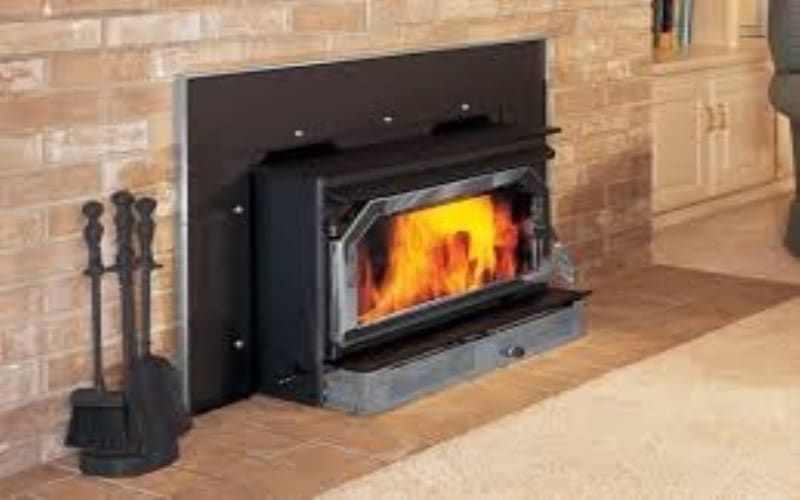
The impact of conventional open fireplaces is generally low, and the units present safety hazards and energy loss. Fortunately, wood inserts are the answer to turning the fireplace into a potent and sustainable unit for heating.
It takes some thought to choose the best insert, as there are many options. This article dives into key considerations that will help get the most efficient wood inserts for energy savings.
Heating requirements
Climate: Climate is a significant aspect of choosing the appropriate wood insert. Warmer climates can be managed well with moderate capacity inserts, while persistently cold areas require high output units.
Space: Account for the living space dimensions to choose the appropriate insert. The heat output capacity of wood inserts varies and is expressed in BTUs. A higher BTU output indicates the capacity to heat a wider area.
Sizes and compatibility of fireplaces
Clearances: Make sure there are enough safety clearances around the insert. The minimum spacing requirements for combustible objects are defined in manufacturer recommendations. Ensure installation requirements match your insert.
Compatibility: It is imperative to measure the width, height, and depth of the opening in the fireplace to match your insert. Avoid expanding the available space unless you have a structural engineer on the job. Most inserts need a fitting chimney flue to vent and draft properly. Ensure your chimney is a perfect fit, or consider making adjustments if necessary.
Effectiveness and characteristics
Relative combustion: Choose inserts that have a second combustion chamber. This function burns smoke particles, lowering emissions and boosting efficiency.
Heat efficiency: Seek for inserts with high heat efficiency ratings. This ensures energy is spent on heating and not in other forms.
Blower System: Particularly in bigger spaces, a blower fan makes it easier to distribute warm air throughout the space.
Controlled Airflow: Air is needed for combustion. It’s imperative to select an insert with adjustable air controls to optimise burning in the firebox.
Fuel storage and type
Firebox size: Consider the size of the firebox and the desired burn time. Larger fireboxes allow for more extended burning periods between refuelling.
Wood type: The kind of wood that inserts can burn efficiently may vary. It’s advisable to use seasoned hardwood like hickory, oak, and maple for a better experience.
Wood storage: Preservation of firewood is as essential as air control. It’s prudent to provide space for storing firewood close to the hearth for easy access.
Extra considerations
Aesthetics: Wood inserts come in various styles and finishes to match the décor of the house. Select one that complements the current fireplace and your interior design.
Price: The cost of wood inserts varies according to brand, size, and features. Determine your budget and weigh the options available.
Safety: Seek inserts with safety features that guard against overheating or fire hazards, such as tempered glass doors and automated shut-off systems.
Direct vent systems: These systems increase efficiency and eliminate the need for a conventional chimney. Direct vent systems draw combustion air from the outside and vent exhaust straight through an exterior wall.
Smart controls: A smartphone app can regulate the temperature and fan settings remotely. However, it’s only applicable to specific inserts that have smart connectivity.
Catalytic combustors: This system encourages cleaner and more thorough burning of wood to improve efficiency.
Expert help: It is imperative to speak with a licensed chimney sweep or fireplace specialist as you make your selection and complete installation.
In summary, the correct wood insert can significantly improve the fireplace’s functioning. You can select an insert that offers your home the best possible warmth, efficiency, and safety by carefully considering the variables discussed. However, get your final green light from a professional.
