

The digital marketing world isn’t just changing, it’s being completely reinvented right before our eyes. Technology keeps pushing boundaries, consumers keep shifting their expectations, and new platforms emerge seemingly overnight. Here’s the thing: businesses that recognize these shifts early don’t just survive; they dominate their markets. Meanwhile, companies still relying on yesterday’s playbook? They’re watching their relevance fade in real-time. Staying connected with audiences, building genuine brand recognition, and actually converting interest into sales now demands a completely different approach than it did even two years ago. What we’re witnessing aren’t temporary blips on the radar, these are seismic shifts fundamentally reshaping the entire marketing landscape.
Artificial Intelligence and Machine Learning Integration
Remember when AI felt like science fiction? Those days are long gone. Today’s marketers are wielding artificial intelligence like seasoned professionals, transforming mountains of raw data into crystal-clear customer insights. Machine learning algorithms have gotten scary good at predicting what people want before they even know they want it. These systems optimize campaigns while they’re running, adjust messaging on the fly, and deliver content so personalized it feels like mind-reading.
Video Content Dominance Across Platforms
Video has absolutely conquered the digital world, and there’s no going back. People don’t just prefer video anymore, they demand it. Whether it’s a fifteen-second TikTok or an hour-long YouTube deep-dive, visual storytelling has become the universal language of the internet. Platforms like Instagram Reels and YouTube Shorts have mastered the art of capturing wandering attention spans, while longer content continues thriving when it educates or entertains with genuine substance.
Privacy-First Marketing and Data Protection
Consumer privacy has moved from afterthought to front-page news, and it’s completely reshaping how marketers operate. Regulations like GDPR and CCPA aren’t suggestions, they’re requirements with serious teeth, forcing businesses to fundamentally rethink their entire relationship with customer data. Third-party cookies, those behind-the-scenes trackers that marketers relied on for years, are being systematically eliminated by major browsers. This has sent the industry scrambling to build first-party data strategies that actually respect user privacy while still enabling the personalization customers expect. Here’s what’s interesting though: brands that embrace transparency and give people real control over their data aren’t just complying with regulations, they’re building trust that converts into lasting loyalty. New privacy-preserving technologies are emerging constantly, allowing sophisticated analysis without compromising individual privacy. The most forward-thinking companies aren’t viewing privacy regulations as burdensome restrictions but as chances to stand out through ethical practices that actually align with what consumers care about.
Mobile-First and SMS Marketing Strategies
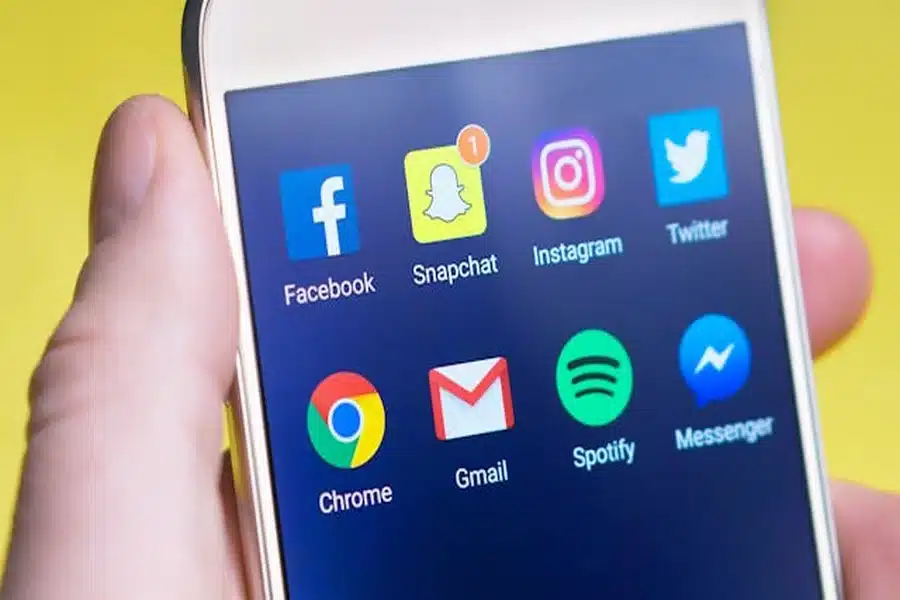
Smartphones have officially won. For most people worldwide, their phone is their primary connection to the internet, fundamentally changing how every marketing message needs to be crafted and delivered. Responsive design crossed from nice-to-have into absolute necessity years ago, with search engines now actively punishing websites that don’t work beautifully on mobile screens. Text messaging has made an absolutely remarkable comeback, with businesses rediscovering that direct SMS communication achieves open rates over ninety percent, numbers that make email marketers weep with envy. For professionals who need to implement short code sms campaigns at scale, understanding the technical requirements and compliance standards ensures effective delivery and customer engagement. Mobile apps, push notifications, and location-based marketing create personalization opportunities that seemed like fantasy a decade ago, reaching people with perfectly timed messages exactly when they’re most receptive. Integrating mobile payment systems and one-click purchasing directly into campaigns has slashed friction from the customer journey, leading to conversion rates that traditional approaches simply can’t match. Companies optimizing their entire marketing presence for mobile-first experiences, from that initial Google search through post-purchase support, consistently blow past competitors still treating mobile as secondary.
Influencer Marketing Maturation and Authenticity
Influencer marketing has grown up considerably. What started as celebrities hawking products to millions of followers has evolved into sophisticated partnerships with micro and nano-influencers who maintain genuinely engaged communities within specific niches. Brands have learned a crucial lesson: ten thousand truly engaged followers beat a million passive ones every single time. The most successful campaigns now focus on building long-term relationships rather than one-off sponsored posts, allowing influencers to naturally weave products into their content over time.
Voice Search Optimization and Conversational Commerce
Voice-activated technology has fundamentally changed how people look for information and interact with brands. Asking Alexa or Siri a question feels completely different from typing keywords into a search box, which means content optimization needs to account for how people actually talk. Voice search is conversational, specific, and often longer than traditional searches, people want direct answers to real questions, not a list of blue links to sort through. Smart speakers have become shopping destinations themselves, with consumers increasingly comfortable saying “order more coffee” and trusting their virtual assistant to handle the rest.
Conclusion
Digital marketing’s rapid evolution shows no signs of slowing down. These eight trends represent fundamental changes in how people discover brands, evaluate products, and make purchasing decisions in today’s digital-first world. Success requires more than just awareness though, it demands continuous learning, willingness to experiment with new platforms, and the courage to abandon tactics that no longer work. The brands that will thrive are those embracing innovation while keeping authentic customer relationships at the center of everything they do. Navigating this dynamic landscape successfully isn’t about jumping on every shiny new trend that appears. It’s about thoughtfully integrating innovations that genuinely align with your brand’s values and your audience’s needs, building sustainable advantages that drive meaningful growth over the long haul.
