

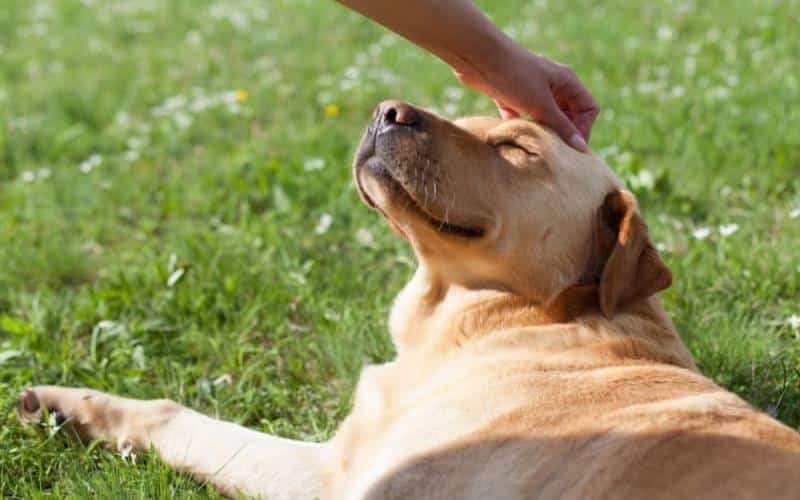
Preventive care ensures your dog remains healthy and happy by addressing potential health issues early. Regular veterinary check-ups, vaccinations, and parasite control are essential. A balanced diet, regular exercise, and proper dental care contribute to well-being. Monitoring weight, grooming, and maintaining a stress-free environment are crucial in preventing health problems and promoting your dog’s longer, healthier life.
Introduction to Preventive Care
Preventive care is essential for maintaining the well-being and happiness of your furry companion. It goes beyond treating illnesses and focuses on the overall wellness strategy to keep your dog fit and joyful. Investing in measures like regular vet visits and high-quality nutrition, such as Lone Wolf dog food, can significantly enhance your dog’s quality of life and longevity. This holistic approach ensures that you continually work to prevent health issues rather than just responding to health issues.
Routine Veterinary Visits
Veterinarian visits regularly form the basis of preventative dog care. During these checkups, your veterinarian can identify possible health problems early on and treat or manage them promptly. The American Veterinary Medical Association states that routine veterinarian examinations can identify underlying issues in your dog that may not be visible to the untrained eye, even if your dog appears healthy. Your veterinarian will do a thorough medical examination, provide booster shots, and do necessary checks for common illnesses during these appointments.
Vaccinations and Parasite Control
Keeping your dog up-to-date with vaccinations is crucial for preventing severe and sometimes deadly diseases such as rabies, distemper, and parvovirus. The American Kennel Club recommends a vaccination schedule that aligns with your dog’s age and lifestyle. In addition to vaccinations, parasite control measures, including regular deworming and flea and tick preventives, are necessary to protect your dog from harmful parasites that can cause significant health issues. These steps ensure your dog remains healthy, active, and immune to common diseases.
Proper Nutrition and Exercise
A balanced diet and regular exercise are crucial for your dog’s health. Providing high-quality, nutritionally balanced food tailored to your dog’s age, size, and activity level can prevent numerous health issues. Selecting the proper nutrition—such as Lone Wolf dog food—guarantees your pet will get all the vital nutrients required for development, vitality, and general health. Coupled with dog joint supplements, daily exercise, proper nutrition helps maintain a healthy weight, strengthens muscles, and promotes mental well-being. Discover tips on crafting a balanced diet from resources like ASPCA, which offers feeding and physical activity guidelines.
Dental Care
Oral health is often overlooked but vital for your dog’s well-being. Poor dental hygiene can lead to mouth infections, gum disease, and even systemic health issues affecting the heart and kidneys. Dental illnesses can be avoided by regular brushing, dental chews, and expert cleanings. If dental diseases are not addressed, they might worsen other health issues. Please learn more about how crucial preserving dogs’ dental health is. To prevent problems later on, incorporate essential dental treatment for your dog.
Mental Stimulation and Socialization
It is equally important to keep your dog’s mind engaged as it is to keep them physically healthy. Unlike humans, dogs can suffer boredom and mental stagnation without adequate stimulation. Activities like puzzle toys, training exercises, and socialization with other dogs promote mental health and reduce behavioral issues. Socialization also helps in preventing anxiety and aggression. Consistent efforts to engage your dog’s mind can lead to a happier, more well-rounded pet.
Regular Grooming
Routine grooming keeps your dog clean and comfortable while allowing you to monitor and maintain their skin health. Regular brushing, bathing, and nail trimming can prevent infections and other skin-related problems. Each grooming session is also an opportunity to check for unusual lumps, bumps, or other abnormalities that may require veterinary attention. Proper grooming practices can be explored further by visiting the ASPCA website, which offers detailed guidelines on maintaining your pet’s hygiene.
Environmental Safety
Preventive care for your dog requires that you provide a safe environment. Ensure your home and yard are free from toxic plants, sharp objects, and harmful chemicals. Routinely checking and dog-proofing your home to lower the possibility of mishaps and injuries may also help. Small changes, like securing loose wires and using pet-safe cleaning products, can significantly impact your dog’s safety and happiness.
Conclusion
Preventive care encompasses a range of practices that collectively ensure your dog’s long-term health and happiness. Combining regular veterinary checkups, a nutritious diet, parasite prevention, dental care, mental stimulation, frequent grooming, and a secure environment can give your dog a happy and healthy life. Remember, the best care is proactive care. Taking these preventive steps can lead to a happier, healthier life for your beloved companion, allowing you to enjoy many cherished moments together.
