

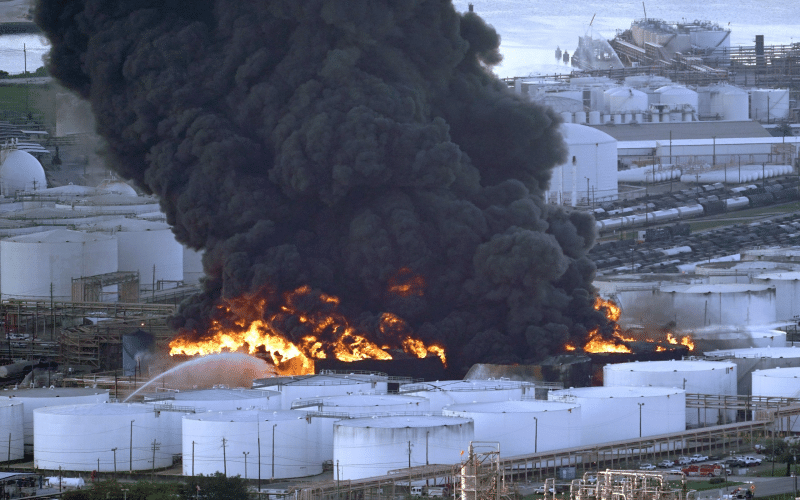
One of the most common causes of workplace disasters is human error. Mistakes made by employees, whether due to lack of training, fatigue, or negligence, can lead to catastrophic incidents. In high-risk industries like oil and gas, even a small error can result in significant damage and loss of life. Ensuring proper training and promoting a safety culture are essential to minimizing human error.
In addition to training, implementing systems and procedures that reduce the reliance on human judgment can help mitigate the risks associated with human error. Automation and technology can play a significant role in reducing the potential for mistakes. By using advanced monitoring systems and fail-safes, companies can minimize the impact of human error on workplace safety.
Equipment Failure
Equipment failure is another leading cause of workplace disasters. Malfunctioning machinery, outdated equipment, and poor maintenance practices can all contribute to accidents. Regular inspections, preventive maintenance, and timely upgrades are crucial for preventing equipment-related disasters. Ensuring that all machinery meets current safety standards and is regularly serviced can help reduce the risk of catastrophic failures.
Implementing advanced technologies, such as predictive maintenance and real-time monitoring, can further enhance equipment reliability. Predictive maintenance uses data analytics to forecast potential equipment failures before they occur, allowing for timely intervention. Real-time monitoring systems provide continuous oversight of equipment conditions, enabling immediate response to any irregularities.
Natural Disasters
Houston is prone to natural disasters such as hurricanes, floods, and severe storms. These events can trigger workplace disasters by causing structural damage, power outages, and hazardous material spills. Preparing for natural disasters through comprehensive emergency response plans and resilient infrastructure is vital for minimizing their impact on workplaces.
Companies should invest in robust infrastructure that can withstand extreme weather conditions and ensure that emergency response plans are in place and regularly updated. Conducting regular disaster drills and ensuring clear communication channels can help employees respond effectively in the event of a natural disaster, thereby minimizing damage and enhancing safety.
Chemical and Hazardous Material Accidents
Chemical and hazardous material accidents pose significant risks in many Houston workplaces, especially in the petrochemical industry. Such accidents can lead to significant health risks, environmental contamination, and, in the worst cases, death. When fatalities occur due to chemical accidents, the cleanup requires highly specialized services, such as an efficient after death cleanup in Houston. Preventing these incidents requires strict adherence to safety protocols and the implementation of advanced technologies. Here are key strategies to mitigate the risks associated with chemical and hazardous material accidents:
- Strict Safety Protocols: Adhere to stringent safety guidelines for handling and storing hazardous materials to prevent accidents.
- Proper Storage: Ensure hazardous materials are stored following industry standards to minimize the risk of leaks and spills.
- Regular Safety Drills: Conduct frequent safety drills to prepare employees for potential accidents and ensure they know how to respond effectively.
- Advanced Safety Equipment: Invest in advanced safety equipment and technologies designed to detect and contain hazardous material leaks.
- Continuous Monitoring Systems: Implement continuous monitoring systems to detect early signs of hazardous material leaks and address them promptly.
- Automatic Shut-off Mechanisms: Install automatic shut-off mechanisms to quickly contain leaks and prevent accidents from escalating.
- Employee Training: Provide comprehensive training for employees on the proper handling of hazardous materials and emergency response procedures to ensure they are well-prepared to manage accidents.
Human Impact
The most immediate and devastating consequence of workplace disasters is the human impact. Injuries and fatalities can have a profound effect on the victims, their families, and their coworkers. The physical and emotional toll of these incidents can be long-lasting, leading to trauma, grief, and a decrease in morale among the workforce.
Providing adequate support and resources to affected individuals is crucial in the aftermath of a disaster. This includes medical care, counseling services, and financial assistance. Companies should have robust support systems in place to help employees recover and cope with the aftermath of a disaster, promoting a sense of community and resilience.
Economic Impact
Workplace disasters can have significant economic consequences for businesses and the broader community. The costs associated with medical expenses, legal fees, property damage, and lost productivity can be substantial. Additionally, companies may face fines, lawsuits, and increased insurance premiums. The economic ripple effects can extend to the local economy, particularly if a major employer is affected.
Investing in preventive measures and safety programs can mitigate these economic impacts. By prioritizing safety, companies can reduce the likelihood of disasters and the associated costs. This proactive approach protects the workforce and enhances the long-term sustainability and profitability of the business.
Environmental Impact
Many workplace disasters, particularly those involving hazardous materials, can have severe environmental consequences. Spills, leaks, and explosions can contaminate soil, water, and air, leading to long-term ecological damage. The cleanup and remediation efforts required can be extensive and costly, further compounding the disaster’s impact.
Implementing stringent environmental safeguards and emergency response plans can minimize the environmental impact of workplace disasters. Companies should regularly review and update their environmental protection measures and ensure compliance with all relevant regulations. Investing in sustainable practices and technologies can also help reduce the potential for environmental damage.
A Proactive Path to Safety and Sustainability
Workplace disasters in Houston have far-reaching consequences, impacting individuals, businesses, and the environment. Companies can mitigate risks and ensure a safer working environment by understanding the root causes of these incidents and implementing effective prevention strategies. Key components of a proactive safety approach include comprehensive safety training, preventive maintenance, emergency response planning, and strict regulatory compliance. Continuous improvement and a commitment to safety can significantly reduce the incidence of workplace disasters, safeguarding the well-being of the workforce and the community.
Investing in preventive measures and addressing the root causes of workplace disasters are essential for creating a safer and more sustainable industrial sector in Houston. Leveraging technology, fostering a culture of safety, and adhering to stringent regulatory standards enable companies to minimize the risk of disasters. This proactive approach enhances safety and contributes to the long-term success and resilience of businesses and the broader community. Through collective effort and continuous improvement, Houston can set an example as a model for workplace safety and sustainability.
