

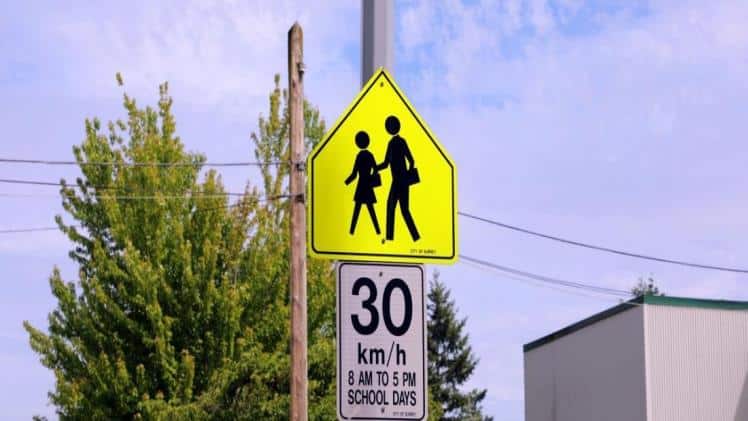
Navigating school zones can be particularly challenging, especially during peak hours when parents are dropping off or picking up children and students are crossing busy streets. In Belleville, NJ, it’s essential to exercise heightened caution during these times to ensure the safety of both pedestrians and drivers. School zones typically feature reduced speed limits, crossing guards, and increased foot traffic, all of which require drivers to remain alert and practice safe driving habits.
Staying mindful of these factors is crucial for reducing the risk of accidents and ensuring a safer environment. By adhering to posted speed limits, staying vigilant for crossing students, and being patient with other drivers, you can contribute to a safer and more orderly commute through school zones in Belleville.
Slow Down and Obey Speed Limits
One of the most important rules when driving through school zones is to slow down and follow posted speed limits. In Belleville, school zones often have reduced speed limits during specific hours, typically between 7 a.m. and 9 a.m. and 2 p.m. to 4 p.m., when children arrive or leave school. Failing to slow down can lead to fines and increase the likelihood of accidents involving children.
Children are often unpredictable, and slowing down gives you more time to react to their sudden movements, such as darting into the street. Even if you are running late, it’s important to prioritize safety over speed in school zones.
Watch for Crossing Guards and Students
Crossing guards play a vital role in keeping school zones safe by helping children cross the street. Always be on the lookout for crossing guards and follow their signals. They are there to guide traffic and protect students, so never ignore their instructions or try to drive around them when they are assisting pedestrians.
Additionally, students may not always cross at designated crosswalks. Stay vigilant for children who might unexpectedly cross the road outside marked areas. Patience and alertness are essential when navigating these busy zones, especially during peak times.
Eliminate Distractions Inside the Car
Distractions are a leading cause of accidents and can be especially dangerous in school zones. Whether it’s adjusting your radio, texting, or eating while driving, any activity that takes your attention away from the road can lead to tragic consequences. The risks are even higher in a school zone, where children are present, and traffic is more congested.
To ensure everyone’s safety, eliminate distractions before entering the school zone. Keep your focus entirely on the road and surrounding area, as even a brief lapse in attention can result in an accident. In the unfortunate event of an incident, consulting an experienced Belleville car accident attorney can help you understand your rights and navigate the legal process.
Adhere to No-Parking Zones
Many school zones have specific areas where parking is prohibited to allow for the smooth flow of traffic and safe passage for pedestrians. These no-parking zones are marked with signs, and it’s essential to obey them. Illegally parked cars can block visibility, making it harder for drivers and pedestrians to see oncoming traffic.
Parking in these areas may lead to fines and add to traffic jams. Please be careful about where you park and refrain from obstructing driveways or pedestrian walkways to maintain a safe environment around the school.
Be Patient During Drop-off and Pick-up Times
Drop-off and pick-up times are particularly hectic in school zones, with parents arriving and departing in waves. While it can be tempting to rush or become impatient, it’s crucial to remain calm and follow the proper procedures for these times. Most schools have designated areas for drop-off and pick-up, and following these guidelines helps maintain order and ensures safety.
Impatience can lead to risky maneuvers like pulling out of line or attempting to pass other cars, which increases the chance of an accident. Stay patient, follow the school’s traffic rules, and allow extra time for delays during busy periods.
Yield to Pedestrians at Crosswalks
Pedestrian safety is a top priority in school zones, and yielding to pedestrians at crosswalks is non-negotiable. Even if it seems clear, always slow down and stop if a child or adult is preparing to cross the street. Pedestrians, especially children, may not always be aware of approaching vehicles, so it’s up to drivers to exercise caution.
When approaching a crosswalk, it is vital to ensure you come to a complete stop and do not proceed until the pedestrian has fully crossed the road. Failing to yield to pedestrians can result in serious accidents and have severe consequences, including legal penalties. Additionally, it’s important to emphasize that not stopping in a school zone can lead to significant fines and other legal repercussions.
Stay Alert for Buses and Their Signals
School buses play a central role in transporting children to and from school, and they often stop to pick up or drop off students within school zones. When a school bus has its stop sign extended or its lights flashing, you are required to stop, regardless of the direction you are coming from. Passing a stopped school bus is illegal and dangerous.
When a school bus stops to let children off, it’s crucial for drivers to remain stopped until the bus driver signals that it is safe to proceed. This means watching for the bus’s flashing lights and extending the stop sign. It’s important to be patient and follow these rules to ensure the safety of children who are crossing the street or walking near school zones.
Monitor Weather and Road Conditions
Weather can significantly impact driving conditions, especially in school zones. Rain, snow, or fog can reduce visibility, making it harder to spot pedestrians or signs. Additionally, slick roads can increase stopping distances, which is dangerous in areas with high foot traffic.
When driving through a school zone in poor weather, such as rain, snow, or fog, it’s crucial to reduce your speed even further than the posted limit. In adverse weather conditions, your vehicle’s traction and visibility are compromised, so be prepared for longer reaction times.
