

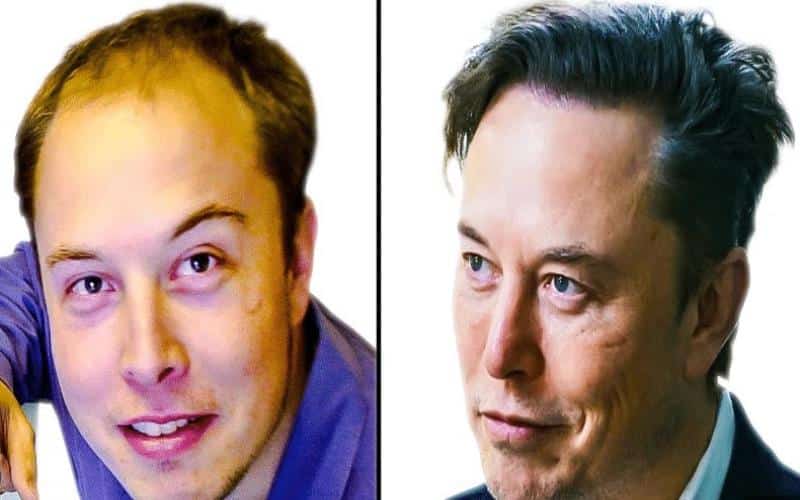
Hair loss, or alopecia, can be caused by a variety of factors, including genetic predisposition, hormonal changes, medical conditions, medications, nutritional deficiencies, and environmental factors.
Here’s a detailed list of common causes:
- Genetics: A major cause of hair loss, particularly male and female pattern baldness (androgenetic alopecia).
- Hormonal Changes: Such as those during pregnancy, menopause, or thyroid problems.
- Medical Conditions: Scalp infections like ringworm, autoimmune diseases like alopecia areata, and other conditions like lupus.
- Medications: Drugs used for cancer, arthritis, depression, heart problems, gout, and high blood pressure can cause hair loss.
- Nutritional Deficiencies: Lack of adequate protein, iron, and other nutrients can affect hair health.
- Stress: Both physical and emotional stress can trigger significant hair loss.
- Hairstyling and Treatments: Tight hairstyles (like ponytails or cornrows), chemical treatments, and hot tools can cause hair breakage or loss.
- Aging: Hair naturally thins with age.
When does hair loss start in men?
- Hair loss in men can begin as early as the late teens and early twenties. The most common type, male pattern baldness, often starts with a receding hairline and thinning at the crown.
Is hair loss genetic?
- Yes, genetic predisposition is one of the most significant factors in hair loss, particularly in cases of male and female pattern baldness.
Will someone whose father is bald definitely lose his hair?
- Not necessarily. While having a bald father increases the likelihood due to genetic predisposition, it is not a guarantee. Hair loss genes can be inherited from either parent.
What are the active ingredients (chemicals) that prevent hair loss?
- Common active ingredients include Minoxidil (used to stimulate hair growth and slow balding) and Finasteride (a prescription pill that slows hair loss by blocking the formation of the hormone that causes hair loss).
What are the natural foods that prevent hair loss?
- Foods rich in vitamins and minerals such as iron, zinc, omega-3 fatty acids, protein, and vitamins A, C, D, and E can help prevent hair loss. Examples include spinach, salmon, flaxseeds, walnuts, berries, and sweet potatoes.
Does taking vitamins slow down hair loss?
- Yes, taking vitamins and supplements can help slow down hair loss, especially if it is due to nutritional deficiencies. Vitamins such as biotin, vitamin D, and iron supplements are commonly recommended.
Why don’t people who have hair transplant operation lose their hair?
- In a hair transplant, hair follicles that are genetically resistant to balding, typically from the back of the head, are moved to the balding areas. These transplanted hairs generally maintain their resistance to the hormonal effects that cause balding.
Does hair remain for life after hair transplantation?
- Transplanted hair generally continues to grow for a lifetime because it is genetically programmed to resist the hormone that causes hair loss. However, surrounding non-transplanted hair may continue to thin and fall out.
Can I have a hair transplant operation more than once?
- Yes, people can have multiple hair transplant surgeries if necessary. This might be needed to increase density or to address additional areas of hair loss that develop later.
Source: Dr. Yetkin Bayer Hair Clinics
