

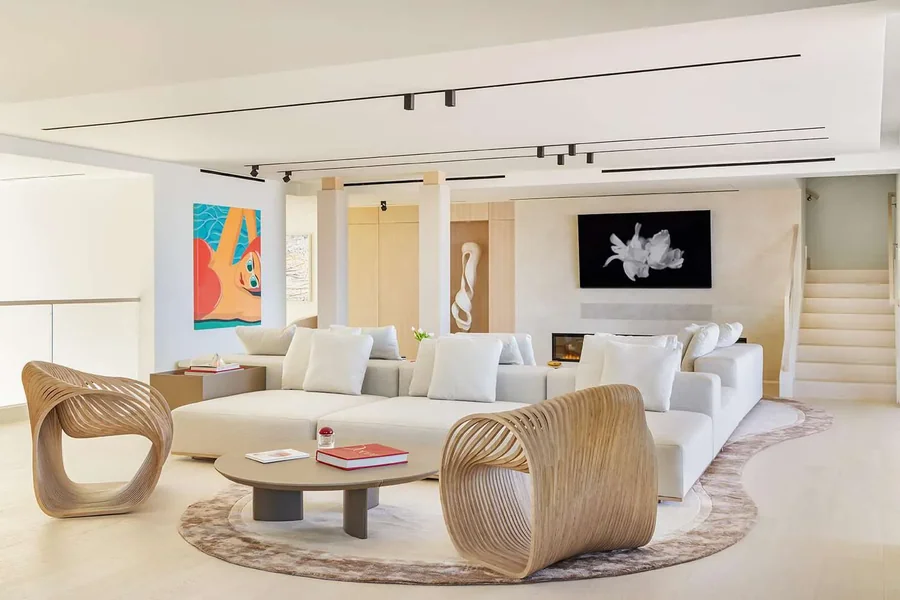
In today’s fast-paced world, minimalism has emerged as a powerful lifestyle choice, especially in 2025. It’s about living more with less—finding freedom, clarity, and purpose by simplifying your surroundings and mindset. This article explores the many facets of minimalism, why it matters now more than ever, and how you can adopt it to enrich your life.
Understanding Minimalism Today
Minimalism isn’t just about having fewer things; it’s a philosophy centered on intentional living. Over the years, it has evolved from a simple aesthetic choice to a comprehensive approach that impacts how people consume, live, and relate to their environment. In 2025, minimalism balances sustainability, mental well-being, and financial mindfulness.
People increasingly recognize that accumulating possessions doesn’t equate to happiness. Instead, minimalism encourages us to focus on what truly adds value, whether that’s experiences, relationships, or meaningful work.
The Core Principles of Minimalism
At its heart, minimalism is built on several core principles:
-
Simplicity: Stripping away excess to focus on essentials.
-
Intentionality: Making conscious decisions about what to keep and consume.
-
Decluttering: Removing physical, digital, and mental clutter.
-
Sustainability: Emphasizing eco-friendly practices by reducing waste.
-
Freedom: Gaining control over your life by minimizing distractions.
By embracing these principles, minimalism helps individuals lead balanced, purposeful lives.
Why Minimalism Matters in 2025
Minimalism’s relevance today is tied to multiple global and personal factors. The world faces increasing environmental challenges, financial uncertainty, and mental health concerns. Minimalism offers solutions that address these issues holistically.
Explore more insights about minimalism and sustainable living at The Editorialge.
Minimalism and Environmental Impact
Living with less reduces consumption and waste, which directly lowers your carbon footprint. By choosing quality over quantity and avoiding unnecessary purchases, minimalists contribute to a healthier planet. This eco-conscious mindset aligns with global efforts to combat climate change in 2025.
Financial Freedom through Minimalism
Minimalism promotes smarter spending habits. By focusing on what you truly need, you save money and avoid debt. This financial clarity allows for greater security and more meaningful investments in experiences rather than material goods.
Mental Clarity and Emotional Well-being
Decluttering your physical space has been shown to reduce stress and increase focus. Minimalism encourages mental decluttering too, leading to improved emotional health and peace of mind. This is especially important in an age filled with constant information overload.
How to Start a Minimalist Lifestyle in 2025
Adopting minimalism might seem daunting, but small, consistent steps can make a big difference.
Decluttering Your Space
Start by sorting your belongings. Ask yourself if each item serves a purpose or brings joy. Donate, recycle, or sell things that don’t. Minimalism is about curating a space that supports your lifestyle.
Mindful Consumption
Before buying, pause and evaluate if the purchase is necessary. Avoid impulse buys and consider sustainability. This shift from consumerism to intentional buying is key to lasting minimalism.
Digital Minimalism
Technology can clutter your mind. Limit notifications, organize digital files, and set screen time boundaries. Embracing digital minimalism helps maintain focus and reduce anxiety in a hyperconnected world.
Minimalism in Different Life Areas
Minimalism isn’t limited to possessions. It touches every aspect of life.
Minimalist Home Design
Create spaces that feel open, functional, and calming. Use neutral colors, natural light, and multipurpose furniture. A minimalist home fosters relaxation and clarity.
Minimalism at Work
Simplify your work environment and processes. Prioritize tasks and minimize distractions to boost productivity. Minimalism at work helps in achieving goals efficiently.
Minimalist Relationships
Focus on nurturing deep, meaningful relationships instead of numerous superficial connections. This approach encourages emotional fulfillment and support.
Traveling Light: Minimalist Travel Tips
Pack only essentials and choose versatile items. Traveling light reduces stress and allows for more freedom and enjoyment on trips.
Common Myths About Minimalism
Some think minimalism means giving up all possessions or living in stark environments. In reality, it’s about balance and personal choice. Minimalism adapts to individual needs and preferences.
Challenges and How to Overcome Them
Adjusting to minimalism can trigger emotional attachment issues or social pressures. Overcoming these involves patience, self-reflection, and community support.
The Future of Minimalism
Minimalism is expected to grow with technological advances that promote sustainable living, smarter consumption, and improved well-being. The movement will likely become a mainstream lifestyle choice beyond 2025.
Resources and Tools for Minimalism
Books like The Minimalists by Joshua Fields Millburn and apps such as Clutterfree can guide you. Online communities and courses offer motivation and practical advice to stay on track.
Frequently Asked Questions (FAQs)
1. Is minimalism only about getting rid of things?
No, it’s about intentionally choosing what adds value to your life, not just discarding possessions.
2. Can minimalism save me money?
Yes, by reducing impulse buying and focusing on needs, minimalism encourages financial savings.
3. How does minimalism improve mental health?
Less clutter leads to less stress and more mental clarity, supporting emotional well-being.
4. Is minimalism suitable for families?
Absolutely. Minimalism can be adapted to family needs and teaches children about intentional living.
5. How do I start digital minimalism?
Begin by organizing files, unsubscribing from unnecessary emails, and limiting screen time.
6. Can I be a minimalist and still enjoy luxury?
Yes, minimalism is about valuing quality and experience over quantity, which can include luxury items chosen thoughtfully.
Conclusion
Minimalism in 2025 offers a powerful way to live more fully by focusing on less. It nurtures environmental responsibility, financial freedom, and mental peace. By embracing minimalism, you create a life rich with purpose, clarity, and joy. Start your minimalist journey today, and experience the freedom that comes with living more with less.
