

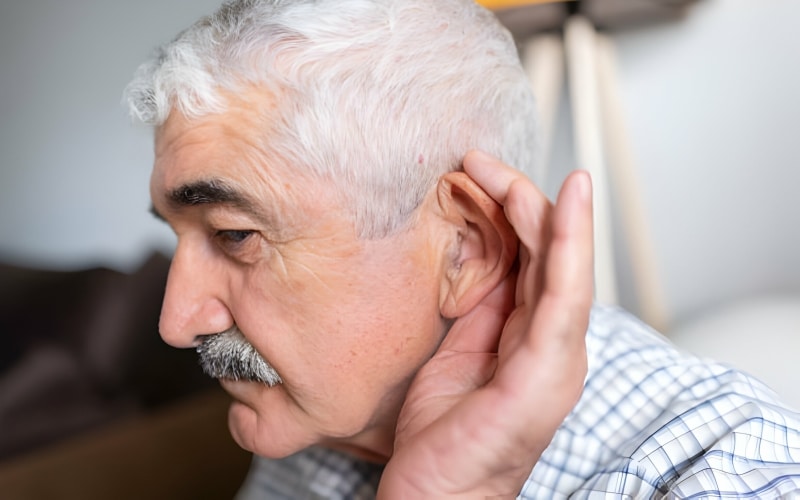
Traumatic Brain Injuries (TBI) can have far-reaching consequences, affecting various bodily functions, including the ability to hear. One specific type of hearing impairment associated with TBI is conductive hearing loss. This condition occurs when sound waves cannot travel efficiently through the outer or middle ear to reach the inner ear, often due to damage sustained during the injury. Unlike sensorineural hearing loss, which involves damage to the inner ear or auditory nerve, conductive hearing loss is usually a result of physical obstructions or injuries that interfere with sound conduction.
Understanding the causes, symptoms, and treatment options for conductive hearing loss after a TBI is crucial for both patients and healthcare providers. Prompt diagnosis and intervention can make a significant difference in managing this condition and improving the quality of life for those affected. For individuals seeking compensation or support, it’s important to know that legal help for those that suffered a serious brain injury is available to assist in navigating the complexities of their situation.
How Conductive Hearing Loss Occurs After a TBI
Conductive hearing loss after a TBI typically results from damage to the outer or middle ear structures. This can happen in several ways, such as a fractured skull, dislocated ossicles (the small bones in the middle ear), or ruptured eardrum due to the force of the impact. These injuries disrupt the normal transmission of sound, preventing it from reaching the inner ear, where it can be processed into meaningful information.
In some cases, blood or fluid buildup in the middle ear, caused by inflammation or bleeding from the injury, can also lead to conductive hearing loss. The severity of the hearing loss often depends on the extent of the injury and whether there is additional damage to other parts of the ear or brain. Understanding the specific cause is crucial for determining the appropriate treatment and rehabilitation approach.
Symptoms of Conductive Hearing Loss in TBI Patients
Conductive hearing loss in traumatic brain injury (TBI) patients can manifest in various ways, depending on the severity and location of the injury. Here are some common symptoms to be aware of:
- Muffled or Reduced Hearing: Sounds may seem faint, muffled, or distant, making it difficult to hear clearly.
- Feeling of Fullness or Pressure in the Ear: Patients may experience a sensation of fullness or pressure, similar to the feeling of water trapped in the ear.
- Difficulty Understanding Speech: Particularly in noisy environments, understanding speech may become challenging, as background noise can further distort sounds.
- Pain or Discomfort in the Ear: Some individuals may experience pain, discomfort, or sensitivity in the affected ear.
- Dizziness or Balance Issues: Conductive hearing loss can be accompanied by dizziness or balance problems due to the inner ear’s involvement in maintaining equilibrium.
- Tinnitus (Ringing in the Ears): A ringing, buzzing, or humming sound in the ear may be present, even in the absence of external noise.
Diagnosis and Assessment of Conductive Hearing Loss
Diagnosing conductive hearing loss in TBI patients involves a comprehensive evaluation by an audiologist or an ear, nose, and throat (ENT) specialist. The assessment typically includes a physical examination of the ear, a hearing test (audiometry), and imaging studies such as a CT scan or MRI to identify any structural damage to the ear or surrounding areas.
In some cases, additional tests such as tympanometry, which measures the eardrum’s movement, may be performed to assess the condition of the middle ear. Accurate diagnosis is essential for determining the best course of treatment and for documenting the extent of the injury, which can be important for legal and insurance purposes.
Treatment Options for Conductive Hearing Loss
Treatment for conductive hearing loss after a TBI depends on the underlying cause and severity of the condition. Medical treatment such as antibiotics, decongestants, or surgical procedures like myringotomy (draining fluid from the middle ear) may be effective in cases with a blockage or fluid buildup. For more severe injuries, such as dislocated ossicles or a fractured skull, reconstructive surgery may be required to restore hearing function.
Hearing aids or bone conduction devices can also help amplify sound for those with persistent hearing loss despite medical treatment. Rehabilitation and therapy, including auditory training, can assist patients in adapting to their hearing impairment and improving their communication skills. For those seeking reliable hearing aid options, Resound hearing aids offer advanced technology that enhances sound quality and comfort, helping users better adapt to their hearing needs.
The Emotional and Psychological Impact of Hearing Loss
Hearing loss after a TBI can have a significant emotional and psychological impact on individuals. The sudden change in their ability to hear can lead to feelings of frustration, isolation, and anxiety, especially when combined with other TBI-related symptoms like cognitive or physical impairments. These emotional challenges can complicate recovery and affect a person’s overall quality of life.
Support from mental health professionals, family, and friends is crucial for helping individuals cope with these changes. Counseling and support groups can provide a safe space to discuss the emotional impact of hearing loss and develop strategies for managing these feelings effectively.
Legal Considerations and Compensation for Hearing Loss
For individuals who have suffered conductive hearing loss as a result of a TBI, seeking legal help for those who suffered a serious brain injury can be an important step in securing compensation for their medical expenses, rehabilitation costs, and loss of quality of life. Proving the connection between the TBI and the hearing loss requires thorough medical documentation and expert testimony, which an experienced attorney can help gather and present.
Legal support can also help navigate the complex insurance claims process and ensure that victims receive the full benefits they are entitled to. Compensation can provide the financial resources needed to access the best possible care and support during the recovery process.
The Importance of Early Intervention and Rehabilitation
Early intervention is critical for managing conductive hearing loss effectively. The sooner the condition is diagnosed and treated, the better the chances of restoring hearing or preventing further complications. Rehabilitation, including hearing therapy and communication training, can also play a crucial role in helping individuals adapt to their new circumstances and maintain their quality of life.
Patients and their families should proactively seek medical and legal help to address the challenges posed by conductive hearing loss. A comprehensive approach that includes medical treatment, rehabilitation, and legal support can significantly improve outcomes and help individuals regain control of their lives.
Seeking Support and Resources
Navigating the aftermath of a TBI and subsequent hearing loss can be overwhelming. It is important for individuals and their families to seek support and resources to assist in the recovery process. Organizations specializing in TBI and hearing loss can provide valuable information, support groups, and medical and legal assistance resources.
Connecting with others who have experienced similar challenges can provide comfort and practical advice for managing the complexities of conductive hearing loss. With the right support and guidance, individuals affected by this condition can find the strength and resources needed to move forward and rebuild their lives.
