

Let’s be honest. Most of us don’t have time to constantly visit a physiotherapist’s office or the money to have a home physiotherapist. But if you’ve been injured, have chronic pain, or just need to improve your mobility, physiotherapy is crucial. Here’s the good news. You can actually do a lot of it at home, and you don’t need fancy equipment or a personal trainer breathing down your neck.
All you need is a little know-how, a few simple physiotherapy products, and the right exercises to make it work. I’m about to walk you through everything you need to get started on your home physiotherapy journey. This is for anyone who wants to get stronger, recover faster, and feel better—all without leaving the house.
Start with Stretching
Before we get into any specific products, let’s talk about the one thing you should never skip: stretching. Stretching is the foundation of physiotherapy. It keeps your muscles flexible, improves your range of motion, and helps prevent injuries from creeping back.
I’ve seen too many people ignore stretching, thinking it’s just a warm-up or cool-down, but it’s much more than that. If you’re dealing with any kind of pain, especially in your back, shoulders, or legs, regular stretching is your best friend. You don’t need any fancy tools for this. Just a yoga mat or even a towel on the floor.
Start slow. Reach for your toes to stretch those hamstrings. Stretch your arms overhead and gently pull each elbow behind your head to loosen up your shoulders. Take your time and breathe into each stretch. You’ll feel the difference in no time.
Use Resistance Bands for Strengthening
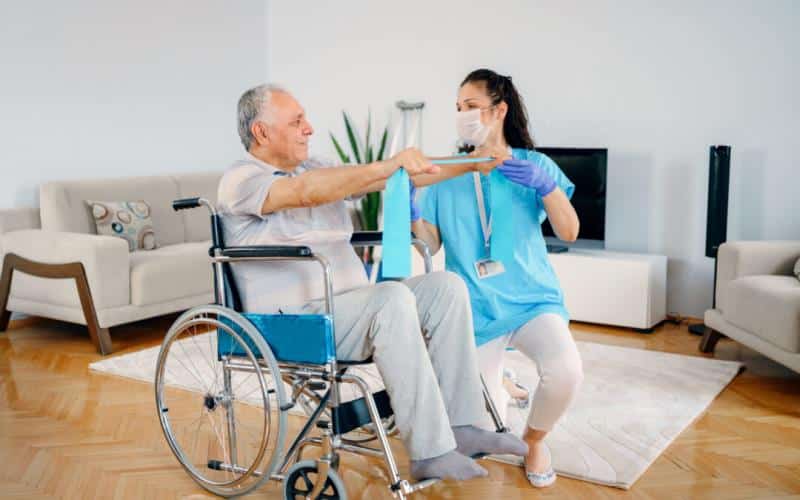
Now, if you’re serious about recovery and building strength, resistance bands are a game-changer. They’re simple and inexpensive, and you can use them anywhere. Resistance bands are great for adding that extra bit of tension to exercises without putting too much strain on your joints.
These bands come in different levels of resistance, so you can start with a lighter one and work your way up. And let me tell you, even the lightest bands pack a punch. They’re perfect for everything from strengthening your knees after an injury to working on your core stability.
Here’s an easy one to try. Loop the band around your thighs and do some side-leg raises to work those hip abductors. Or, if your shoulders need strengthening, step on the band, hold the ends, and slowly lift your arms to shoulder height. You’ll feel the burn in all the right places.
Grab a Foam Roller for Deep Muscle Release
Ever feel like you’ve got knots in your muscles that you just can’t shake? That’s where a foam roller comes in. Foam rolling is basically giving yourself a deep tissue massage at home. It’s perfect for releasing tight muscles, improving blood flow, and speeding up recovery.
Using a foam roller might feel awkward at first, but trust me, you’ll want to keep it around once you feel how much it helps. Just lie on the roller and roll your body back and forth over sore spots. You can use it on your legs, back, glutes, and even shoulders. It’s all about easing out the tension and helping your muscles recover faster.
The best part is you don’t need a huge foam roller. Even a smaller one can do wonders, especially for targeted areas like your calves or upper back.
Strengthen Your Core with a Stability Ball
A strong core is essential for just about everything you do. Whether it’s walking, lifting, or simply standing up straight, your core muscles keep you stable and balanced. And if you’re recovering from an injury, core strength is even more important.
One of the simplest tools for this is a stability ball. You’ve probably seen them at the gym, but don’t worry, you can easily use one at home too. They’re inexpensive and can be used for all kinds of exercises.
Try sitting on the ball and doing some basic pelvic tilts to engage your core. Or, for a bit more of a challenge, lie on your back with your feet on the ball and lift your hips off the ground into a bridge position. Not only are you working your core, but you’re also improving your balance at the same time.
Relieve Pain with a Hot and Cold Pack
When it comes to physiotherapy, pain relief is key. And one of the easiest ways to manage pain is with a good old hot and cold pack. These are the unsung heroes of home therapy, and you should always have one or two on hand.
For sore, inflamed muscles, use a cold pack to reduce swelling. Just apply it for 10 to 15 minutes at a time, and you’ll notice a big difference in how your muscles feel. On the flip side, if your muscles are tight or stiff, a hot pack can help relax them and increase blood flow.
You can buy reusable hot and cold packs at any pharmacy, or if you’re in a pinch, a bag of frozen peas or a warm towel will do the trick. Just remember, always use a barrier like a towel between your skin and the pack to avoid burns or frostbite.
Build Endurance with Low-Impact Exercises
If you’ve been dealing with an injury, the last thing you want is to overdo it and set yourself back. That’s why low-impact exercises are crucial. They allow you to build strength and endurance without putting too much pressure on your joints or muscles.
One of the best ways to do this at home is with bodyweight exercises. Think of things like squats, lunges, or even wall sits. These exercises engage multiple muscle groups and improve your endurance over time.
Take squats, for example. You don’t need weights. Just use your body weight to slowly lower yourself into a squat and rise back up. If your knees are sensitive, don’t go too deep. Just focus on the movement and keep your form solid.
Keep Moving with a Pedal Exerciser
If walking or running isn’t possible for you right now, but you still want to keep your legs active, a pedal exerciser is your answer. It’s like having a mini exercise bike you can use while sitting on a chair or couch. This tool is great for people recovering from leg or knee injuries or even if you just want a low-impact way to stay active.
You can adjust the resistance, start slow, and work your way up. It’s perfect for improving circulation, keeping your legs strong, and getting some cardio in without putting too much strain on your joints.
Stick to Your Routine and Stay Consistent
Look, I’ll be honest. The hardest part about doing physiotherapy at home is sticking to it. It’s easy to slack off when there’s no one there to guide you, but the key to getting real results is consistency.
Set a schedule. Dedicate 20 to 30 minutes a day to your exercises. It’s not much, but it can make a world of difference over time. Whether you’re using resistance bands, foam rollers, or just doing simple stretches, what matters is that you do it regularly.
Remember, recovery takes time, but every little bit helps. By staying committed and using the right tools and exercises, you’ll be back on your feet (or stronger than ever) before you know it.
The Bottom Line
Physiotherapy at home doesn’t have to be complicated. With the right exercises and a few simple products, you can take control of your recovery, build strength, and relieve pain without ever setting foot in a clinic.
So grab those resistance bands, get stretching, and start your journey to feeling better. Your body will thank you.
