

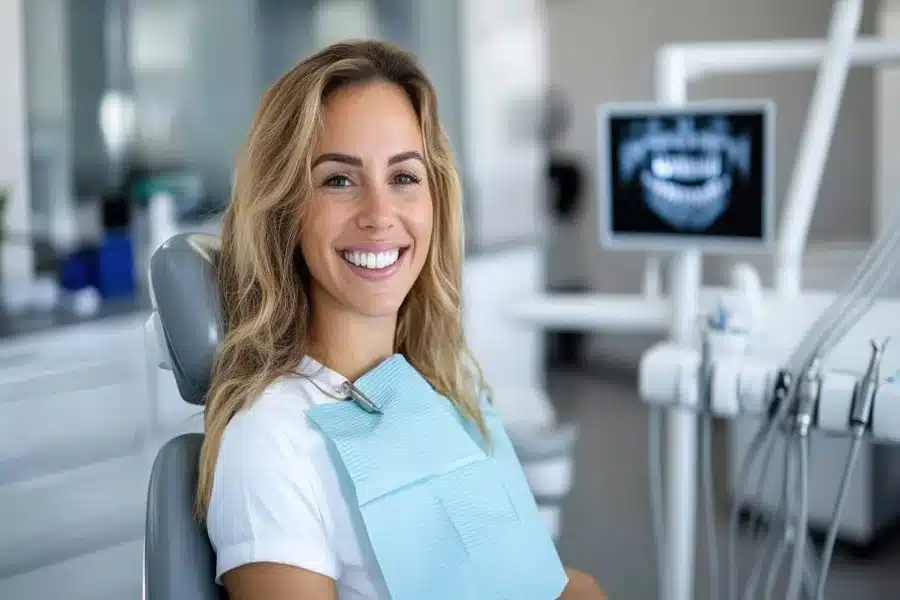
Healthy teeth protect more than a smile. They support clear speech, steady chewing, and quiet sleep. When you plan for your family’s care, you often react to pain. You rush in for fillings, extractions, or infections. That pattern drains money and energy. Instead, you can choose steady prevention. You lower stress. You protect your children from avoidable fear in the chair. You give older adults in your home a stronger bite. This post explains five simple services that keep problems small. Each one fits into a routine visit. Each one helps you avoid urgent care and long recoveries. If you see an Osprey, FL dentist, you can ask about these same services. You can also use this list to guide questions for any provider. With clear steps, you can build a family plan that guards health, saves time, and eases worry.
1. Regular cleanings and exams
Every family member needs a cleaning and exam at least two times a year. Some people need more visits. You and your provider can decide that schedule together.
During a cleaning, the team removes plaque and tartar that a brush does not touch. During an exam, the dentist checks for gum disease, worn teeth, cracked fillings, and signs of oral cancer.
These visits matter for three reasons.
- They catch problems early while treatment stays small.
- They reset home care so brushing and flossing work better.
- They create a record so changes stand out fast.
You can read more about why routine visits matter at the Centers for Disease Control and Prevention’s oral health page.
2. Fluoride treatments for stronger enamel
Fluoride hardens the outer layer of teeth. It helps teeth fight acid from food and from bacteria. That protection lowers the risk of cavities for children and adults.
During a visit, fluoride may come as a varnish, gel, or foam. It goes on the teeth for a short time. Then it continues to work long after you leave the office.
Fluoride treatments help when:
- Your child has new teeth that still form roots.
- You or your teen wear braces that trap food.
- You take medicines that dry the mouth.
The National Institute of Dental and Craniofacial Research explains fluoride and how it protects teeth across a lifetime.
3. Dental sealants for children and teens
Sealants act like a shield over the chewing surfaces of back teeth. The dentist paints a thin coating into the grooves. Then a light sets it in place.
Those grooves collect food and bacteria. A sealant blocks that contact. The tooth still works. It just has a smoother surface that stays cleaner.
Sealants help you:
- Cut the number of cavities in permanent molars.
- Limit the need for fillings during teen years.
- Support children who struggle with brushing.
Many sealants last several years. They can be checked during routine exams and repaired if worn.
4. X‑rays to see hidden problems
Your eyes and a mirror cannot see everything. Cavities often start between teeth. Infections can hide at the root. Jawbone loss grows in silence. X‑rays give a clear look at these hidden issues.
For most healthy people, bitewing X‑rays are taken every one or two years. Children or patients with higher risk may need them more often.
X‑rays help your dentist:
- Find small cavities before they reach the nerve.
- Watch how adult teeth grow in for children.
- Check bone levels for gum disease.
The office will use the lowest radiation needed. Digital systems use even less. You can ask what type your provider uses and why a specific image is needed.
5. Personalized home care coaching
What you do at home every day shapes your family’s oral health. Brushing, flossing, and food choices do more than any one office visit. Still, many people never learn a method that fits their mouth and their routine.
During your appointment, you can ask for coaching. That request has value for each age group.
- Young children can learn how to spit, how long to brush, and how to make brushing a habit.
- Teens can learn how sports drinks, energy drinks, and snacks damage teeth.
- Adults can learn how to clean around bridges, implants, or dentures.
You can also ask about fluoride toothpaste, floss picks, and mouth rinses. Your provider can help you choose a few tools that you will actually use.
Comparing preventive services
This table shows how each service helps and how often you might expect to use it. Your plan may differ based on your health and your dentist’s advice.
| Service | Main purpose | Usual frequency | Who benefits most
|
|---|---|---|---|
| Cleaning and exam | Remove buildup and check for disease | Every 6 to 12 months | All ages |
| Fluoride treatment | Strengthen enamel and prevent cavities | Every 3 to 12 months | Children, teens, high‑risk adults |
| Dental sealants | Protect grooves on back teeth | Once, with touch‑ups as needed | Children and teens |
| X‑rays | Spot hidden decay and bone loss | Every 12 to 24 months or as needed | All ages, based on risk |
| Home care coaching | Improve daily brushing, flossing, and diet | At each visit or when routines change | All ages |
Putting it all together for your family
You do not need to add every service at once. You can start with three steps.
- First, schedule regular cleanings and exams for each family member.
- Next, ask your dentist which family members need fluoride, sealants, or X‑rays this year.
- Finally, use each visit to adjust home brushing and flossing.
These choices protect your family from painful emergencies. They also protect your budget from large surprise bills. Steady prevention gives you calm visits, shorter treatment time, and stronger teeth through every stage of life.
