

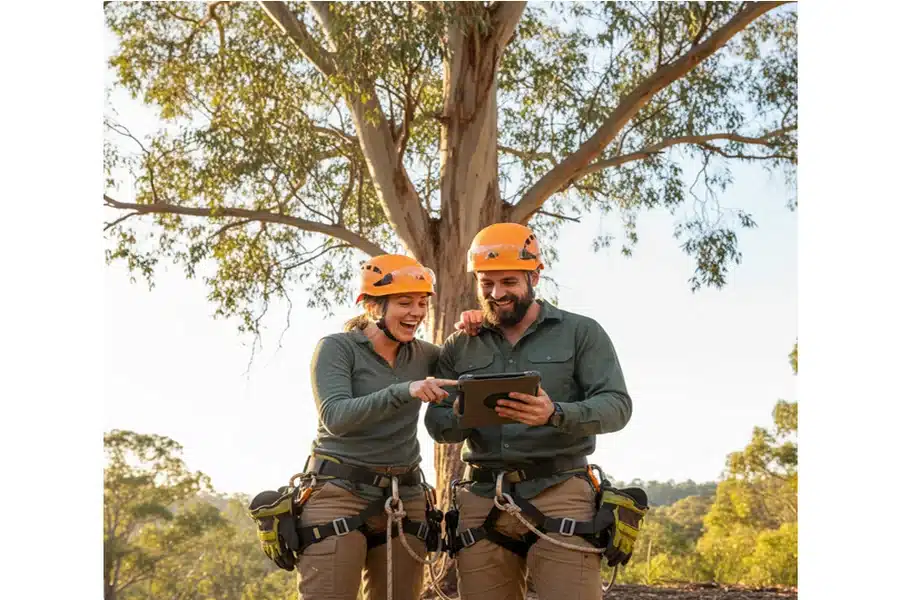
If you’re running an arborist business, you know the risks involved. From climbing tall trees to operating heavy machinery, there’s plenty that could go wrong. That’s where arborist insurance comes in. But what does it actually cover, and why is it so essential for your business’s survival? Let’s delve into the details of what you need to know about arborist insurance.
Think of it as a safety net. It protects you from potentially crippling financial losses if something unexpected occurs. Whether it’s damage to a client’s property or an injury to one of your workers, the right insurance can be a lifesaver. It’s not just about ticking a box; it’s about safeguarding your livelihood and ensuring you can continue to provide your valuable services.
Understanding the core components of arborist insurance
Arborist insurance isn’t a single policy; it’s a combination of different types of coverage designed to address the specific risks faced by arborists. Each component plays a crucial role in providing comprehensive protection.
Public liability insurance
Imagine this: you’re removing a large branch, and it accidentally falls onto a neighbour’s fence, causing significant damage. Public liability insurance covers the costs of repairing or replacing the fence, as well as any legal fees if the neighbour decides to sue you. It protects you from financial liabilities if your business activities cause injury or property damage to a third party.
This is often considered the most critical type of insurance for arborists. Accidents happen, and even with the utmost care, things can go wrong. Public liability insurance provides peace of mind knowing that you’re covered for these unexpected events.
Professional indemnity insurance
Let’s say you provided advice to a client regarding the health of a tree, and they acted on your advice, resulting in the tree dying and causing damage to their property. Professional indemnity insurance protects you if a client claims they suffered a financial loss due to your negligence or incorrect advice. It covers legal costs and compensation payments if you’re found liable.
As an arborist, your expertise is your stock-in-trade. This insurance acknowledges that even the most experienced professionals can make mistakes or misjudgements. It’s about protecting your reputation and financial stability if your professional advice leads to unintended consequences.
Workers compensation insurance
Your employee is up a tree, and unfortunately, they fall and sustain a serious injury. Workers compensation insurance covers their medical expenses, lost wages, and rehabilitation costs. It’s a legal requirement for most businesses with employees and protects you from potential lawsuits arising from workplace injuries or illnesses.
Taking care of your employees is paramount, and this insurance ensures they’re protected if they’re injured on the job. It provides financial support to your workers while they recover and helps you meet your legal obligations as an employer.
Equipment and tools insurance
Picture this: your chainsaw, chipper, and other essential tools are stolen from your work vehicle overnight. Equipment and tools insurance covers the cost of repairing or replacing your equipment if it’s damaged, lost, or stolen. It ensures you can quickly get back to work without facing significant financial setbacks.
Your tools are your livelihood. This insurance safeguards your valuable equipment, allowing you to continue operating your business smoothly, even if the unexpected happens. It can be tailored to cover specific items or provide blanket coverage for all your tools and equipment.
Commercial vehicle insurance
Imagine your ute, loaded with equipment, is involved in an accident on the way to a job site. Commercial vehicle insurance covers the costs of repairing or replacing your vehicle if it’s damaged in an accident. It also provides coverage for liability if you cause damage to another vehicle or property.
Your work vehicle is an essential part of your business. This insurance protects your vehicle and ensures you can continue to transport your equipment and workers to job sites. It can be tailored to suit the specific needs of your business, including coverage for trailers and other specialised vehicles.
Why is arborist insurance essential for your business?
Beyond the specific coverages, why is investing in comprehensive arborist insurance so crucial? It’s more than just a piece of paper; it’s a vital component of responsible business management.
Financial protection
The most obvious benefit is financial protection. A single accident or lawsuit could potentially bankrupt your business if you’re not adequately insured. Insurance acts as a buffer, absorbing the financial impact of unexpected events and preventing them from derailing your operations.
Consider the potential costs of a serious injury or property damage claim. Without insurance, you’d be responsible for covering these expenses out of your own pocket, which could be devastating, especially for a small business.
Legal compliance
In many cases, certain types of insurance, such as workers compensation, are legally required for businesses with employees. Failure to comply with these requirements can result in hefty fines and penalties. Insurance ensures you’re meeting your legal obligations and avoiding potential legal troubles.
Staying on the right side of the law is essential for maintaining a good reputation and avoiding unnecessary stress. Insurance helps you comply with relevant regulations and demonstrate your commitment to responsible business practices.
Peace of mind
Running an arborist business is already stressful enough without having to worry about the financial consequences of potential accidents. Insurance provides peace of mind, knowing that you’re protected from unforeseen events. This allows you to focus on what you do best: providing quality tree care services.
Knowing you have a safety net in place can significantly reduce your stress levels and allow you to make better decisions for your business. It’s an investment in your mental well-being as well as your financial security.
Enhanced reputation
Having adequate insurance coverage can enhance your business’s reputation. Clients are more likely to trust and hire a business that demonstrates responsibility and professionalism. Insurance provides evidence that you’re prepared for potential risks and committed to protecting their interests.
In a competitive market, having insurance can give you a significant edge. It signals to potential clients that you’re a reliable and trustworthy service provider who takes their business seriously.
Ability to take on larger projects
Some clients, particularly larger organisations or government agencies, may require you to have a certain level of insurance coverage before they’ll consider hiring you. Insurance can open doors to larger and more lucrative projects that would otherwise be inaccessible.
Expanding your business and taking on bigger challenges requires adequate protection. Insurance provides the security and credibility you need to pursue new opportunities and grow your business.
Factors affecting the cost of arborist insurance
The cost of arborist insurance can vary depending on several factors. Understanding these factors can help you make informed decisions and find the best coverage at a competitive price.
- Business size: Larger businesses with more employees typically pay higher premiums due to the increased risk of accidents and claims.
- Location: Businesses operating in areas with higher risk factors, such as densely populated urban areas or regions prone to severe weather, may face higher premiums.
- Type of work: The specific types of tree care services you offer can influence your insurance costs. More hazardous activities, such as tree removal or working near power lines, may result in higher premiums.
- Claims history: If you have a history of frequent or costly claims, your insurance premiums are likely to be higher.
- Coverage limits: The amount of coverage you choose for each policy will affect your premiums. Higher coverage limits typically result in higher costs.
Tips for finding the right arborist insurance
Finding the right arborist insurance requires careful consideration and research. Here are some tips to help you navigate the process and find the best coverage for your business.
- Assess your risks: Identify the specific risks your business faces and determine the types and levels of coverage you need.
- Shop around: Get quotes from multiple insurance providers to compare prices and coverage options.
- Work with a specialist: Consider working with an insurance broker who specialises in arborist insurance. They can provide expert advice and help you find the best coverage for your needs.
- Read the fine print: Carefully review the policy terms and conditions to understand what’s covered and what’s excluded.
- Update your coverage: Regularly review your insurance coverage to ensure it still meets your business’s needs as it grows and evolves.
Frequently asked questions about arborist insurance
What is the difference between public liability and professional indemnity insurance?
Public liability insurance covers claims for injury or property damage caused to third parties, while professional indemnity insurance covers claims for financial loss suffered by clients due to your negligence or incorrect advice.
Is workers compensation insurance mandatory?
In most cases, yes. If you have employees, workers compensation insurance is typically a legal requirement.
How much arborist insurance do I need?
The amount of insurance you need depends on the size and nature of your business, as well as your risk tolerance. It’s best to consult with an insurance professional to determine the appropriate coverage levels for your specific needs.
Can I bundle different types of arborist insurance together?
Yes, many insurance providers offer bundled policies that combine different types of coverage, such as public liability, professional indemnity, and equipment insurance. Bundling can often result in cost savings.
How can I reduce the cost of my arborist insurance?
You can reduce the cost of your insurance by implementing safety measures, maintaining a clean claims history, and shopping around for the best rates. Increasing your policy deductible can also lower your premiums, but be sure you can afford the higher out-of-pocket expense if you need to make a claim.
