

Shopping for an online CPR certification course can feel a little like booking a flight. At first glance, every option seems to promise the same destination. Then you start noticing the differences: pricing, course length, hidden fees, and what you’re actually getting for your money.
One website advertises instant certification. Another highlights flexible learning. A third promises free training but asks for payment when you’re ready to download your certificate.
So, how do you know which option is worth choosing?
Whether you’re learning CPR for personal preparedness or fulfilling a workplace requirement, comparing courses carefully can help you avoid wasted time and unnecessary expenses.
Here’s what deserves your attention before you enroll.
Start With the Reason You Need CPR Certification
Before comparing prices or course features, identify why you need CPR training.
Are you a parent preparing for emergencies at home? A student building practical skills? Or an employee who needs a specific credential?
The answer matters because not every CPR course serves the same purpose.
Someone learning CPR for personal knowledge may appreciate a self-paced online program that explains emergency response fundamentals.
However, healthcare professionals, childcare workers, and certain other employees may need training that includes hands-on skills testing or meets specific organizational standards.
If certification is required for your job, ask your employer which training providers and course formats they accept.
This simple conversation can prevent an expensive mistake.
Compare the Curriculum, Not Just the Course Title
Two courses may both advertise CPR certification while covering different subjects.
Some focus primarily on adult CPR. Others include child and infant resuscitation, automated external defibrillator (AED) awareness, and basic first aid.
Before enrolling, look for a clear course outline.
A comprehensive introductory CPR course should explain how to recognize cardiac arrest, contact emergency services, perform chest compressions, and understand when an AED may be needed.
Depending on your goals, you might also want instruction on choking emergencies, rescue breathing, and age-specific CPR techniques.
Don’t assume that a course includes everything simply because its title sounds comprehensive.
A few minutes spent reviewing the curriculum can reveal whether it matches your expectations.
Look Closely at What the Price Includes
Everyone appreciates a good deal, especially when online learning makes it possible to compare several options in minutes.
But the advertised price doesn’t always tell the whole story.
Some providers offer free access to educational materials while charging separately for assessments or certificates.
Others include a digital completion card in the course price but charge extra for printed documents.
When comparing options for cpr certification online free, look beyond promotional headlines and check whether free access applies to the lessons, examination, certification document, or all three.
You should also review refund policies and any renewal costs.
The cheapest advertised option isn’t necessarily the best value if it doesn’t provide what you need.
Don’t Confuse Convenience With Workplace Acceptance
Online courses are popular for good reasons.
They can eliminate commuting, allow learners to study outside regular business hours, and make educational materials easier to revisit.
For busy adults, that flexibility is a major advantage.
However, convenience and credential acceptance are separate issues.
An online-only course may help you understand CPR principles without satisfying an employer’s practical training requirements.
Some workplaces require instructor-led training, supervised skills demonstrations, or credentials from particular organizations.
Before purchasing a course, confirm whether the certificate will be accepted for your intended purpose.
A provider’s general claim of acceptance should never replace confirmation from the organization requesting your certification.
Pay Attention to How You’ll Actually Learn
Think about the last online course you completed.
Did you genuinely understand the material, or did you spend most of the time clicking through slides?
The learning experience matters, especially when the subject involves emergency response.
Look for courses that explain concepts clearly and use helpful demonstrations, illustrations, or knowledge checks.
A well-organized program should make it easy to revisit topics you find challenging.
Practice questions can help reinforce important information, while clear explanations make unfamiliar medical terminology less intimidating.
If the provider offers a sample lesson, take a look before committing.
A course that helps you understand the material is more valuable than one designed only to move you toward a completion screen.
Check the Provider’s Credibility
A polished website is a good start, but it shouldn’t be your only reason for trusting a training provider.
Look for information about the organization, its instructional approach, and the guidelines used to develop its materials.
CPR recommendations change as new evidence becomes available, so course content should reflect current resuscitation guidance.
Check whether the provider clearly explains its assessment process and certification terms.
Be cautious of vague promises, particularly claims that a certificate is universally accepted or guarantees professional eligibility.
Transparency is a useful indicator of whether a provider takes learners seriously.
Think About the Certificate You’ll Receive
Once you’ve completed your training, what happens next?
Some providers issue digital certificates immediately after successful completion. Others may offer printable cards or additional documentation.
Consider whether the certificate includes your name, completion date, provider information, and an expiration date when applicable.
If you’re taking CPR for employment, ask whether your workplace needs a particular format or verification method.
It’s also helpful to know how you can access your certificate later if you lose the original file.
These details may seem minor during enrollment, but they can become important when you need proof of training.
Remember That CPR Is a Hands-On Skill
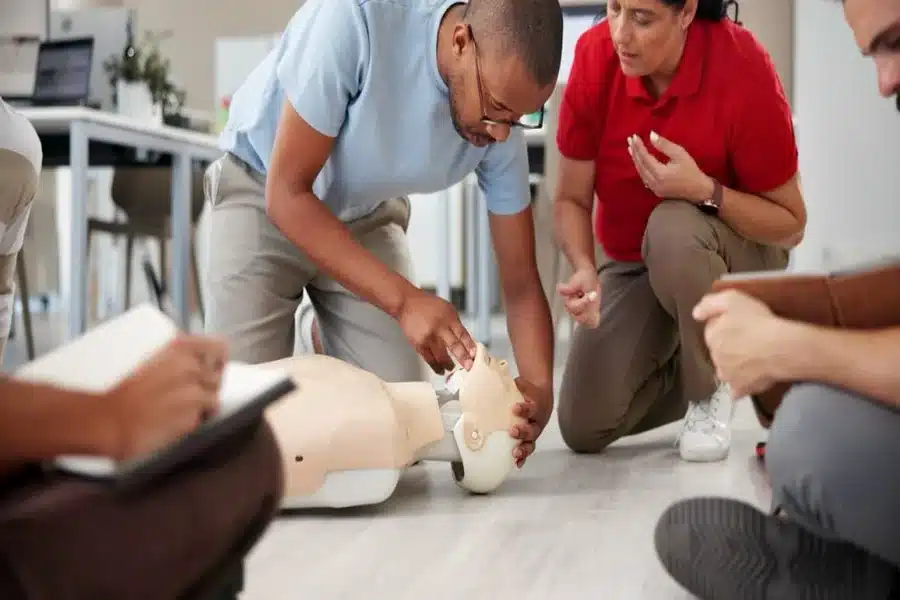
Online education can provide a strong introduction to CPR knowledge, but performing effective chest compressions requires physical practice.
A video can demonstrate correct technique, yet it cannot fully reproduce the experience of practicing on a manikin and receiving feedback.
Whenever possible, supplement online learning with hands-on training.
This is particularly important for people whose professional responsibilities may involve responding to medical emergencies.
The best learning approach is one that balances convenience with meaningful skill development.
Choose the Course That Fits Your Real Needs
Comparing online CPR certification options doesn’t have to be complicated.
Focus on the course content, total cost, provider transparency, certificate details, and whether the training meets your intended requirements.
Avoid choosing a program solely because it promises the fastest certificate or the lowest advertised price.
Instead, ask a more useful question: Will this course help me gain the knowledge and preparation I’m looking for?
Because when it comes to CPR, the most valuable outcome isn’t a document saved on your phone.
It’s knowing that you’ve taken meaningful steps toward being prepared when someone needs help.
