

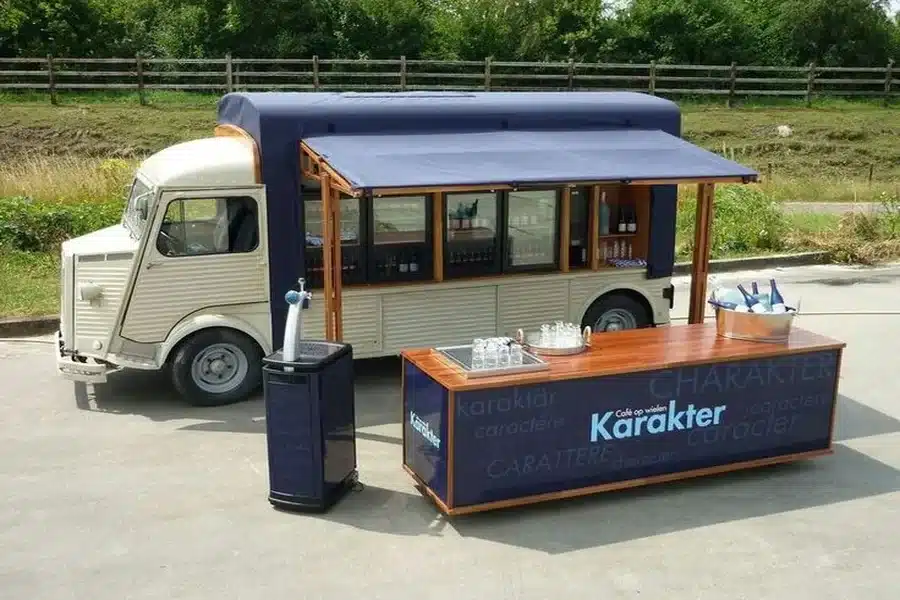
Ohio’s food truck scene stretches across a state full of contrasting tastes. In Cleveland, Eastern European comfort food finds a loyal following. In Columbus, international fusion trucks compete with vegan bowls. Cincinnati leans into chili, barbecue, and old-school diner classics. This statewide appetite diversity gives aspiring operators an opportunity to tailor their concept to location-specific cravings.
Before purchasing equipment or securing a permit, validate your idea with local context. Visit weekend markets in Dayton. Track which trucks draw long lines at Toledo food rallies. Attend a neighborhood festival in Youngstown and notice what sells quickly. Use this data to shape your initial concept.
Online validation also matters. Launch a social media page with mock menus. Ask targeted questions in Ohio-based food groups. “Would you order this spicy pierogi taco combo in Columbus?” or “What’s missing from Akron’s lunch scene?” Responses can indicate whether the public is intrigued or indifferent.
Selecting your niche early will save time later. A grilled cheese truck might do well in Ohio City’s brewery district, where rich, shareable snacks pair with IPAs. That same concept may fall flat in Granville, where health-conscious college students prefer light wraps or smoothie bowls. Prioritize a concept that balances what you love to make with what Ohioans are already proving they’ll buy.
Regional food truck trends reflect broader Midwest patterns. Comfort food, fusion with local ingredients, and late-night service all see strong returns. Sustainability and sourcing transparency are growing concerns, especially near university towns.
Examples help ground the planning process. Consider Ray Ray’s Hog Pit in Columbus. What started as a single smoker has become a known brand due to a strong product and location strategy. The Bus Stop Cafe in Cincinnati uses retro diner styling to stand out visually. Zombie Dogz in Dayton built an audience through limited menu drops and outrageous presentation.
Each of these trucks had one thing in common: they solved a local craving. They weren’t built for every city in Ohio, just the right ones. Find your equivalent by listening carefully, tasting widely, and narrowing your vision.
Also consider the role of local food values. In some areas, plant-based eating and sustainability dominate consumer preferences, while in others, large portions and low prices are key. This split means one truck can’t be everything to everyone—but you can dominate a focused lane. Stay away from chasing trends unless they fit your core concept. A food truck that resonates with the region it serves will always have a better shot at lasting growth than one designed for mass appeal.
Paperwork, Permits, and Plates
Once the idea feels solid, paperwork becomes the next unavoidable stretch of the journey. In Ohio, food trucks operate under a combination of state-level food safety rules and city-level business and zoning restrictions. It’s not difficult, but it’s rarely straightforward.
Start with the Ohio Department of Health’s mobile food service operation (MFSO) requirements. These cover sanitation, food prep surfaces, refrigeration standards, and safe water supplies. You’ll need to apply through the health department in the county where your truck is stored, not where you plan to serve.
Simultaneously, set up your business entity. Most truck owners opt for an LLC, which offers liability protection and simple tax filing. Register with the Ohio Secretary of State and apply for an EIN through the IRS. Both can be completed online.
Licensing doesn’t end there. Many Ohio cities require additional permits, especially if you plan to park on public streets or in parks. Columbus, for example, requires a Mobile Food Vendor License and a fire inspection. Cleveland and Cincinnati each have unique rules on waste disposal and noise.
Be aware of commissary rules. In some counties, food trucks must report to an approved commissary for daily cleaning, prep, or storage. While not required in every region, it’s smart to have a home base kitchen ready, especially if you plan to scale or face inspections.
Zoning restrictions can trip up even seasoned operators. Downtown districts often limit food truck parking during certain hours. Some business improvement zones ban them entirely. Always call city offices before signing a location lease or plotting a high-traffic route.
Vehicle compliance rounds out the list. Your truck must pass regular mechanical inspections. Insurance coverage should include general liability, auto liability, and property protection. Design your truck wrap for both branding and permit visibility. Some cities require decals or license numbers to be prominently displayed.
These steps are tedious but necessary. Completing them upfront gives you flexibility later when demand grows and operations move quickly.
In addition to formal documentation, keep meticulous records from day one. If an inspector asks for your latest water testing results or commissary log, you need to have them easily accessible. Digital tools can streamline this. Consider cloud-based systems for document management, sales tracking, and schedule planning. A well-organized backend not only improves inspection readiness but also supports smoother daily operations. It also builds confidence when applying for event slots or private catering contracts. A professional paper trail makes your business appear legitimate and dependable before you even serve your first customer.
Building the Truck That Works for You
Your food truck is your restaurant, prep space, marketing tool, and delivery vehicle—all compressed into a small space that must function in extreme weather. Ohio’s climate adds snow, rain, and summer humidity to the list of design considerations.
Choosing the right format is the first decision. A new truck built to spec offers reliability but comes at a high cost. A used truck may need upgrades but lowers your upfront spend. A trailer offers mobility with a smaller footprint, making it popular in rural counties.
Layout matters more than square footage. Plan around your menu. A pizza truck needs a deck oven and insulation. A smoothie truck requires blenders, refrigeration, and a clean water hookup. Place prep stations to minimize movement and maximize output.
Select equipment based on your core offering. Over-investing in niche tools wastes space. Prioritize durability over bells and whistles. Include backup power options in case you’re vending at events with weak or no electrical hookups.
Budget for ongoing maintenance and seasonal adjustments. Ohio winters require freeze protection for plumbing lines. Summer may call for portable fans or shaded canopies. Keep funds aside for repairs that inevitably surface after several road runs.
Think carefully about interior choices that affect workflow. Shelving, prep counters, and cabinetry need to function like restaurant furniture—durable, cleanable, and space-efficient. Avoid domestic-grade options. Look for NSF-certified pieces that can withstand constant motion, temperature swings, and health inspections.
Building a truck isn’t about packing it with tools. It’s about designing a workspace that flows under pressure, lasts through Ohio’s seasons, and keeps staff safe and productive.
When finalizing your build, always test it before your first event. Simulate a full day of service in a parking lot. Run through your full menu. Identify pinch points, temperature concerns, or storage gaps. This dry run helps you catch issues before they cost you sales or safety points. Additionally, label everything clearly. When two people work in a tight space, even five seconds lost searching for tongs can slow down the entire line. Smart design, thoughtful organization, and stress testing are just as important as equipment itself.
Testing Your Route with Community Events
Launching a food truck doesn’t require a grand opening. In Ohio, many successful vendors began with a handful of soft openings at markets, breweries, and seasonal events. These early trials allow for menu refinement, service adjustments, and customer feedback without major financial risk.
Start with events that attract foot traffic but aren’t overly competitive. Saturday markets in smaller cities like Newark or Mansfield offer low fees and easy logistics. Local art fairs, charity walks, or school functions are great low-stress introductions.
Bring printed menus, a feedback form, and signage that explains your story. Offer a tight, focused menu for speed and consistency. Track how long orders take and how customers respond. Ask specific questions: Did the food meet expectations? Was the wait too long? What would they order again?
Use these events to build an email list and grow a social following. Offer discounts or loyalty rewards for first-time signups. Document your presence with high-quality photos. Tag local vendors, event hosts, and satisfied customers to grow digital reach.
Ohio offers a wide variety of community festivals with strong food truck performance. Taco Fest in Columbus, the Cleveland Garlic Festival, and Cincinnati’s Oktoberfest all draw big crowds. Booth fees can be steep, so run the math before committing.
Partnering with local breweries often proves more sustainable than chasing festivals. Breweries like Seventh Son, Rhinegeist, or Hoppin’ Frog often rotate food trucks weekly. These pairings build local trust and stable income.
Avoid rushing toward large, expensive events before testing your service speed, team coordination, and food consistency. Use early events as controlled test drives, not final destinations.
Think of these first events as your R&D lab. Note which items sell best, which cause bottlenecks, and how your team functions under pressure. If a particular event draws college students, adjust for faster, budget-friendly options. If the crowd is mostly families, create kid-friendly add-ons or bundle deals. Use each outing to adjust not just your food, but also your pricing, signage, and customer interaction. Early agility builds long-term resilience.
Scaling Without Stalling
Once the truck runs smoothly and demand builds, the next challenge is growth. Scaling a food truck in Ohio means managing labor, equipment strain, and customer expectations—while navigating weather and market saturation.
Hiring staff requires clarity on tasks and hours. Peak times may include lunch rushes, Friday nights, or weekend festivals. Balance hiring with demand to avoid overstaffing during slow seasons.
Some owners expand by running two shifts from the same truck, others add a second unit. Before expanding, measure current truck profitability accurately. Include hidden costs like generator fuel, off-site kitchen time, or winter heating.
Ohio provides several resources for scaling. The Ohio Small Business Development Center (SBDC) offers free coaching. Food Fort in Columbus offers shared kitchen space and business support. Local restaurant incubators may assist with branding, accounting, and operations.
Avoid common pitfalls. Don’t overextend by chasing too many events. Don’t assume one good weekend predicts a full season. Plan for winter by adjusting routes or offering catering services.
Smart trucks maintain momentum by rotating through tested locations and staying present online. Update menus seasonally. Post regularly. Ask for reviews. Share your schedule a week ahead. These habits keep customers engaged even when you’re off the road.
Also consider diversifying your revenue model. Many Ohio trucks supplement street vending with catering gigs, private parties, or pop-up dinners. These reduce your exposure to unpredictable weather or weak foot traffic. Look into commissary-based collaborations or meal prep packages for repeat customers. And finally, keep tabs on your financials monthly. Growth can mask inefficiency, and clear reporting helps you adjust before cash flow tightens. Scaling isn’t just about doing more—it’s about doing smarter.
