

As the maritime industry continues to grow, so does the need for skilled individuals who can navigate the complexities of modern yachting. Whether you’re aspiring to captain a luxury yacht, explore global waters for leisure, or pursue a maritime career, enrolling in a professional yacht training institute can be a life-changing step.
These institutes are more than just schools for sailors; they are training grounds for excellence, precision, and safety at sea. With access to world-class instructors, practical onboard experience, and internationally recognized certifications, yacht training institutions offer comprehensive education for both beginners and seasoned enthusiasts.
Why Yacht Training Matters
Yachting isn’t just about steering a vessel. It involves understanding navigation, weather systems, emergency procedures, engine mechanics, international maritime laws, and onboard etiquette. Without proper training, even the most luxurious yacht can become a risky environment.
A structured yacht training program ensures students gain critical skills in seamanship, vessel handling, safety protocols, and teamwork. This education is vital not just for personal safety, but also for the safety of crew, passengers, and other vessels on open waters.
The Curriculum: Blending Theory with Practical Experience
What makes yacht training institutes unique is their ability to balance theory with hands-on experience. Most reputable institutes offer a tiered curriculum beginning with entry-level courses such as the Essential Navigation & Seamanship course, moving toward more advanced modules like Yachtmaster Offshore or Ocean theory.
Classroom sessions often cover:
- Maritime terminology
- Chart plotting and navigation
- Tides, currents, and weather forecasting
- Collision regulations (COLREGS)
- Safety procedures and emergency planning
On the practical side, students are trained in:
- Mooring and anchoring techniques
- Docking and undocking under various conditions
- Sailing maneuvers and sail trimming
- Engine troubleshooting and maintenance
- Crew communication and leadership
By the end of the course, students are not only comfortable handling a yacht but are also equipped to lead in stressful and unpredictable situations.
Building a Career in Yachting
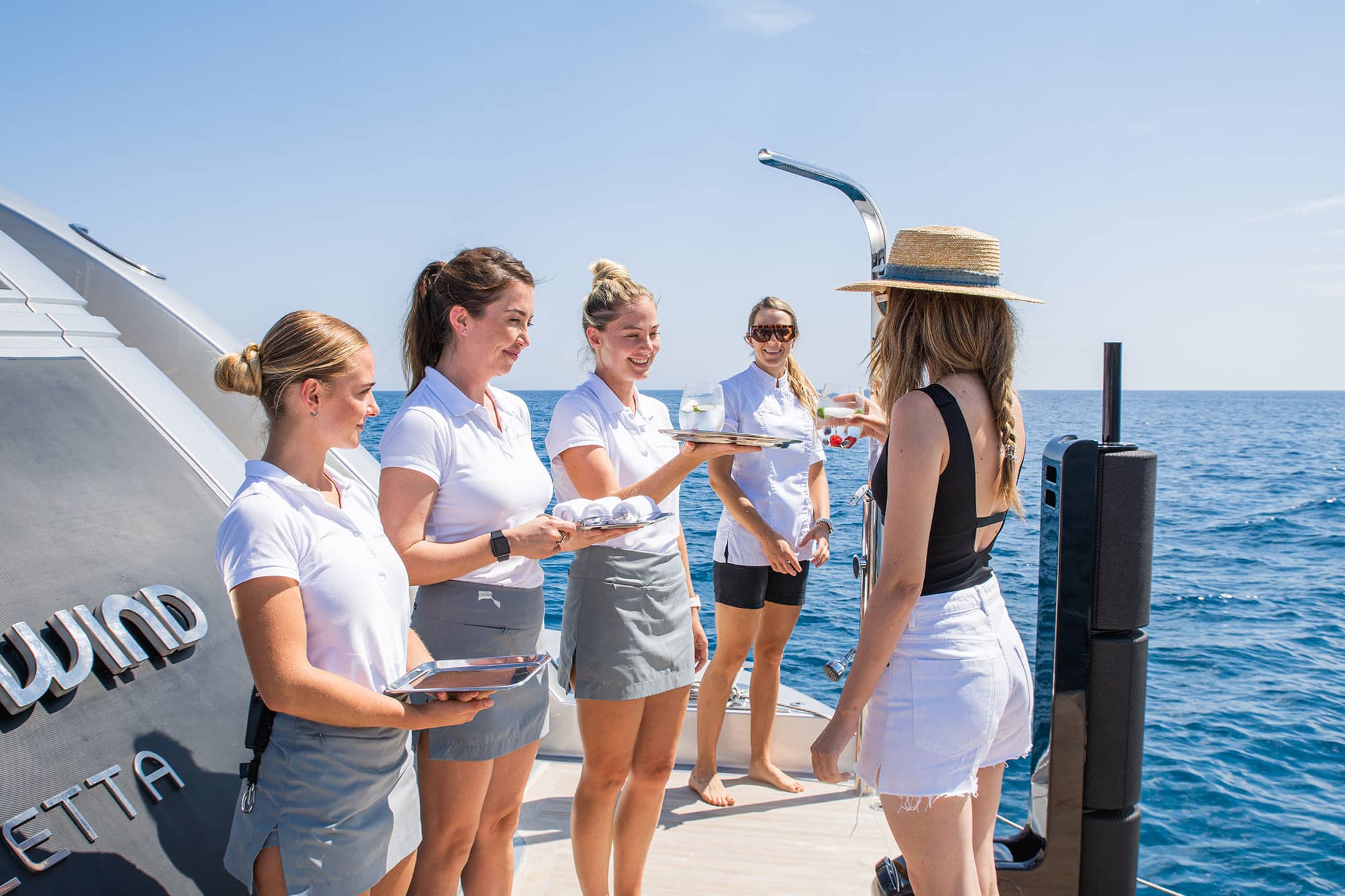
For those interested in a professional career on the water, a yacht training institute provides the foundation. Graduates can pursue various roles such as deckhands, bosuns, stewards/stewardesses, engineers, and captains. Others might specialize in charter operations or marine hospitality.
One of the most sought-after roles is that of a certified powerboat instructor, which allows professionals to teach others how to operate small power-driven vessels safely and effectively. This certification opens doors to instructional roles in sailing schools, charter companies, and private training environments.
Safety First: First Aid and Emergency Readiness
One of the most crucial components of any yachting program is safety and first aid. On the water, where professional medical help may be hours or even days away, basic first aid knowledge becomes a lifeline.
Institutes that are aligned with global standards like the Royal Yachting Association (RYA) often include safety modules within their core curriculum. Students are encouraged to complete a RYA approved First Aid Course, which covers CPR, hypothermia treatment, bleeding control, and emergency communication protocols. This training ensures that crew members can act decisively in emergencies, potentially saving lives.
International Recognition and Compliance
Another advantage of attending a reputed yacht training institute is that certifications are globally recognized. Whether you’re sailing in the Mediterranean, Caribbean, or Southeast Asia, a certificate issued by an RYA- or MCA-accredited school holds weight. This recognition is crucial for those seeking employment or charter permissions internationally.
Yacht training programs are often compliant with STCW (Standards of Training, Certification and Watchkeeping for Seafarers) — the international convention that governs safety and competency in the maritime field. These standards ensure that graduates are not only competent but also legally eligible to work on commercial vessels.
Choosing the Right Yacht Training Institute
When selecting a yacht training institute, consider the following:
- Accreditation: Ensure the school is accredited by recognized bodies like the RYA or MCA.
- Instructor Experience: Look for institutes with experienced, industry-active instructors.
- Course Variety: A good school should offer a range of courses, from basic to advanced levels.
- On-Water Access: Real-world training on boats and yachts is crucial for hands-on learning.
- Student Support: Career guidance, job placement support, and continued learning opportunities are valuable add-ons.
Additionally, check for testimonials or alumni success stories. An institute with a strong track record of placing students in reputable maritime roles speaks volumes about the quality of its programs.
Final Thoughts
Yacht training institutes serve as gateways to the world of maritime adventure and professionalism. Whether you’re aiming to captain your own vessel or build a rewarding career on the seas, proper training ensures you’re equipped with the knowledge, confidence, and credentials to navigate safely and successfully.
In a world where recreational boating is booming and commercial yachting is in high demand, there has never been a better time to invest in your nautical education. The ocean awaits — make sure you’re ready.
