

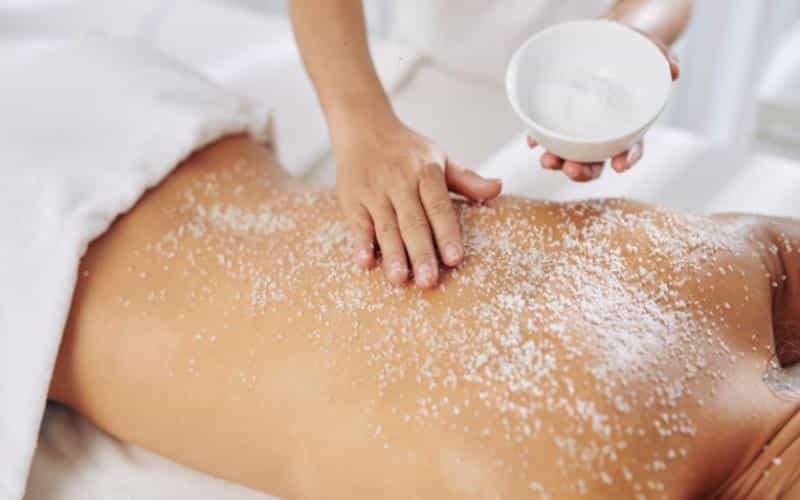
Exfoliation is a vital part of skincare, yet it’s often overlooked or misunderstood. At The Old Hammam & Spa, body exfoliation is considered an essential treatment, going beyond face care to focus on the entire body, removing dead skin cells and revealing smooth, healthy skin. Whether you’re looking to combat dry patches, prevent breakouts, or simply achieve glowing skin, body exfoliation plays a crucial role in your skincare routine.
In this article, we’ll explore the importance of body exfoliation, the different methods available, how to exfoliate safely, and tips to ensure you’re getting the most out of this essential skincare practice.
What is Body Exfoliation?
Body exfoliation is the process of removing dead skin cells from the surface of the skin. As new skin cells form, older ones are pushed to the surface. These dead cells can build up, leading to clogged pores, rough texture, and dull-looking skin. Exfoliation helps to clear away this layer, making way for fresh, vibrant skin underneath. It can also improve the absorption of skincare products like moisturizers, serums, and oils.
There are two primary methods of body exfoliation:
- Physical Exfoliation: This involves using a tool or scrub with a gritty texture to manually remove dead skin cells. Examples include body scrubs, loofahs, exfoliating gloves, and dry brushes.
- Chemical Exfoliation: This method uses chemicals like alpha hydroxy acids (AHAs), beta hydroxy acids (BHAs), or enzymes to dissolve dead skin cells. These ingredients are often found in lotions, gels, and peels.
Both methods can be effective, but choosing the right one depends on your skin type and personal preference.
Why is Body Exfoliation Important?
There are several reasons why body exfoliation is an essential part of maintaining healthy skin:
- Smoother Skin Texture: Regular exfoliation sloughs off dead skin cells that can accumulate, leaving your skin feeling rough. This helps improve skin texture, making it smoother and softer.
- Brighter, More Radiant Skin: Exfoliating regularly can help to brighten your skin by removing the layer of dead skin cells that can make your complexion look dull. This reveals a more radiant and youthful glow.
- Prevents Ingrown Hairs: Exfoliation is particularly useful for preventing ingrown hairs, especially for those who shave or wax regularly. It helps keep hair follicles clear, reducing the chance of ingrown hairs forming.
- Improves Product Absorption: By removing the barrier of dead skin cells, exfoliation enhances the absorption of moisturizers, oils, and serums. This means your skin can reap the maximum benefits from the products you apply afterward.
- Reduces Breakouts: Dead skin cells can clog pores, leading to breakouts. Regular exfoliation helps to unclog pores, reducing the risk of acne on areas like the back, chest, and shoulders.
- Promotes Skin Cell Turnover: Exfoliation encourages cell renewal, promoting a more even skin tone and reducing the appearance of dark spots, hyperpigmentation, and scars.
How Often Should You Exfoliate?
The frequency of body exfoliation depends on your skin type, sensitivity, and the method you’re using.
- Normal to Oily Skin: Those with normal or oily skin can exfoliate 2-3 times per week using either a physical scrub or chemical exfoliant. This helps keep the skin smooth and prevent the buildup of excess oil.
- Dry or Sensitive Skin: If you have dry or sensitive skin, you should limit exfoliation to once a week. Opt for gentle physical exfoliants or low-concentration chemical exfoliants to avoid irritation.
- Combination Skin: Those with combination skin can exfoliate 1-2 times per week. Focus on areas that are prone to dryness or oiliness, such as the elbows, knees, or back.
Over-exfoliation can lead to irritation, redness, and damage to the skin barrier, so it’s important to pay attention to your skin’s response and adjust your routine as needed.
Types of Exfoliants
Understanding the different types of exfoliants can help you choose the right one for your skin type and concerns.
1. Physical Exfoliants
Physical exfoliants are typically the most common form of body exfoliation. Here are a few popular options:
- Body Scrubs: These are often formulated with salt, sugar, or crushed nut shells to provide a grainy texture that helps scrub away dead skin cells. You can find these scrubs infused with hydrating oils like coconut or jojoba to simultaneously moisturize the skin.
- Dry Brushing: This involves using a brush with stiff bristles to exfoliate the skin. It’s done on dry skin before showering. Dry brushing is particularly good for increasing circulation and can help reduce the appearance of cellulite.
- Exfoliating Gloves: These gloves have a rough texture and can be used with your regular body wash to help remove dead skin. They are easy to use and can be a more controlled way to exfoliate.
2. Chemical Exfoliants
Chemical exfoliants use active ingredients to dissolve the bonds between dead skin cells, allowing them to be easily washed away. Common chemical exfoliants include:
- AHAs (Alpha Hydroxy Acids): AHAs like glycolic and lactic acid are water-soluble and work on the skin’s surface to remove dead cells. They are especially beneficial for dry skin types and are often used to brighten the skin.
- BHAs (Beta Hydroxy Acids): Salicylic acid is a common BHA, and it’s oil-soluble, making it effective at unclogging pores. BHAs are excellent for those with oily or acne-prone skin.
- Enzymes: Enzymatic exfoliants are derived from fruits like papaya or pineapple and are much gentler than AHAs and BHAs. They work by breaking down the proteins in dead skin cells, making them suitable for sensitive skin.
How to Exfoliate Safely
To exfoliate effectively and safely, follow these steps:
- Cleanse First: Always start by cleansing your skin with a gentle body wash. This removes surface dirt, oil, and impurities, making the exfoliation process more effective.
- Choose the Right Exfoliant: Pick an exfoliant that suits your skin type. Avoid using harsh scrubs or tools that can cause micro-tears in the skin.
- Gentle Motions: When using physical exfoliants, apply them with gentle, circular motions. Avoid scrubbing too hard, as this can irritate the skin.
- Don’t Forget the Joints: Pay special attention to areas where dead skin cells tend to build up, such as elbows, knees, and heels.
- Moisturize After Exfoliation: Exfoliating can leave the skin feeling dry, so follow up with a hydrating moisturizer to lock in moisture and soothe the skin.
- Sun Protection: Exfoliating makes your skin more sensitive to the sun, so always apply sunscreen when going outside, especially if you’ve used a chemical exfoliant.
DIY Exfoliation Recipes
If you prefer natural ingredients, here are a few simple DIY exfoliation recipes you can make at home:
- Sugar Scrub: Mix 1 cup of sugar with ½ cup of coconut oil and a few drops of your favorite essential oil. This scrub is great for sensitive skin.
- Coffee Scrub: Combine 1 cup of coffee grounds with ½ cup of olive oil. Coffee scrubs are known to improve circulation and reduce the appearance of cellulite.
- Oatmeal Scrub: Blend 1 cup of oatmeal with ½ cup of honey and water. This is a gentle scrub that works well for dry or irritated skin.
Conclusion
Body exfoliation is a key step to achieving soft, radiant skin. By incorporating regular exfoliation into your skincare routine, you can prevent clogged pores, improve skin texture, and enhance the effectiveness of your other skincare products. Whether you opt for physical or chemical exfoliants, or prefer to make your own at home, the right approach will leave your skin feeling rejuvenated and glowing. Remember to exfoliate in moderation and always follow up with a good moisturizer to keep your skin hydrated and healthy.
