

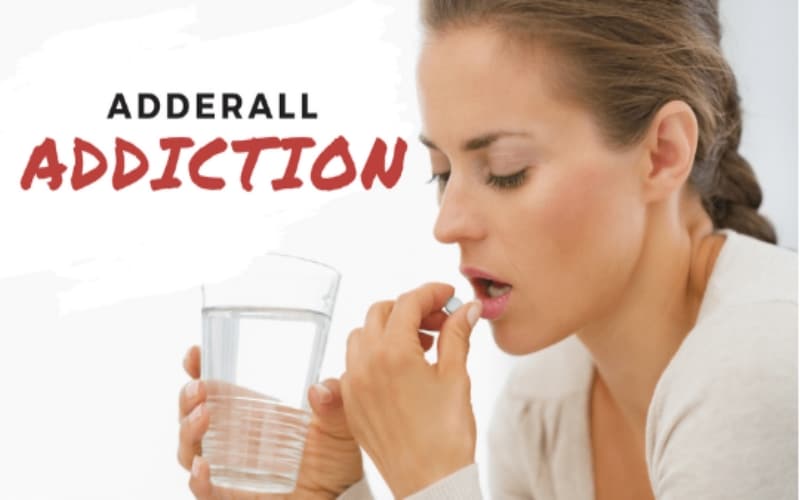
Addiction to Adderall is a rising problem in modern times. Many people use it for focus. However, misuse can lead to addiction. This explains Adderall’s addiction clearly. First, we discuss the signs of addiction. Recognizing these signs is crucial. Then, we cover the effects of addiction. These effects can harm your health. Understanding these impacts is important. Finally, we guide you in seeking help. Help can be obtained in a lot of ways. Treatment can help you recover fully. Recall that there is always time. It is a strength, not a weakness, to ask for help. Helping a friend or acquaintance who is having difficulties shouldn’t wait. Today, make the initial move.
What is Adderall?
Adderall is a prescription medication. It’s applied to ADHD treatment. It helps increase focus and attention. It is a stimulant drug.
It has an impact on brain chemistry. Adderall addiction can be managed with the right support. A long and happy life is something you deserve.
Signs of Adderall Addiction
Addiction recognition is the first step. Consider the following typical indicators:
- Craving Adderall Constantly: A strong urge to use it.
- Increased Tolerance: Needing more to feel the same.
- Ignoring Responsibilities: Neglecting work or school.
- Using Without Prescription: Taking it without medical need.
- Withdrawal Symptoms: Feeling sick without it.
Effects of Adderall Addiction
Adderall addiction has many negative effects. It impacts both the body and mind.
Physical Effects
- Increased Heart Rate: This can lead to heart issues.
- High Blood Pressure: Dangerous for overall health.
- Weight Loss: Unhealthy and rapid weight changes.
- Insomnia: Difficulty sleeping or staying asleep.
Mental Effects
- Anxiety: Feeling nervous or restless.
- Depression: Persistent sadness or hopelessness.
- Paranoia: Irrational fears and suspicions.
- Aggression: Increased irritability and anger.
Why People Get Addicted
People get addicted for several reasons. Understanding these reasons can help. One reason is the pressure to perform well. People may want to excel in school or work. Another reason is stress relief. People might use substances to cope with stress. Peer influence also plays a role. Friends or family members might use it. Lastly, easy access contributes. When substances are readily available, addiction is more likely.
How to Seek Help
Seeking help is crucial for recovery. Start by admitting the problem openly. Next, talk to a doctor for advice. Consider counseling and therapy sessions. Join support groups, like NA. Finally, lean on family for support.
Treatment Options
There are various treatment options available. Detox programs help to safely stop using. Inpatient rehab provides live-in, intense care. Outpatient rehab involves regular visits, and living at home. Medication helps ease withdrawal symptoms. Behavioral therapy focuses on changing harmful behaviors.
Preventing Relapse
Staying sober requires ongoing effort. Here are tips to prevent relapse:
- Avoid Triggers: Stay away from tempting situations.
- Healthy Lifestyle: Exercise and eat well.
- Stress Management: Practice relaxation techniques.
- Regular Check-ins: Keep appointments with doctors.
- Stay Connected: Maintain a support network.
Living a Healthy Life
Recovery leads to a healthier life. Set goals for a positive future. Find hobbies and enjoy activities. Build strong relationships with loved ones. Stay educated about addiction and recovery. Help others who are struggling too.
Detailed Signs of Adderall Addiction
Recognizing addiction is key. Detailed signs include:
- Neglecting Responsibilities: Ignoring work, school, or family duties.
- Obsessive Thoughts: Constantly thinking about Adderall.
- Financial Problems: Spending a lot on Adderall.
- Social Withdrawal: Avoiding friends and family.
- Risky Behaviors: Taking dangerous actions for Adderall.
Short-Term Effects of Adderall Use
Short-term effects can be noticeable. They include:
- Increased Alertness: Feeling more awake.
- Decreased Appetite: Not feeling hungry.
- Enhanced Focus: Better concentration on tasks.
- Euphoria: Feeling very happy or excited.
Long-Term Effects of Adderall Use
Long-term effects are more severe. They include:
- Heart Problems: Increased risk of heart attack.
- Mental Health Issues: Anxiety, depression, and paranoia.
- Physical Health Decline: Weight loss and malnutrition.
- Addiction Development: Harder to quit with time.
How Adderall Affects the Brain
The main brain chemical that Adderall affects is dopamine. It increases dopamine levels in the brain. This increase in dopamine produces sensations of reward and pleasure. The brain gradually begins to need more dopamine. This urge may start an addictive cycle.
The Role of Family in Recovery
Family support is vital. Here’s how families can help:
- Offer Emotional Support: Be there for them.
- Encourage Treatment: Suggest professional help.
- Educate Themselves: Learn about addiction.
- Set Boundaries: Maintain healthy limits.
- Attend Counseling: Go to family therapy sessions.
The Importance of Professional Help
Professional help is crucial for recovery. It provides medical supervision during detox. This ensures a safe and controlled process. Therapeutic support addresses underlying mental health issues. Structured programs offer both inpatient and outpatient care. Long-term strategies are used to prevent relapse.
Finding the Right Treatment Center
Choosing a treatment center is important. Consider these factors:
- Accreditation: Ensure it is certified.
- Programs Offered: Look for varied treatments.
- Success Rates: Check their success rates.
- Location: Choose a convenient location.
- Cost: Consider affordability and insurance.
Adderall Addiction in Different Age Groups
Addiction affects all ages. Here’s how it varies:
Teens: Peer pressure and academic stress.
Adults: Work performance and stress relief.
Elderly: Misuse for cognitive enhancement.
Adderall Withdrawal Symptoms
Withdrawal can be tough. Common symptoms include:
- Fatigue: Feeling extremely tired.
- Depression: Persistent sadness.
- Sleep Problems: Insomnia or too much sleep.
- Cravings: Strong urge to use again.
- Mood Swings: Irritability and anger.
Managing Withdrawal Symptoms
Managing withdrawal is possible. Here’s how:
- Stay Hydrated: Drink plenty of water.
- Eat Nutritious Food: Maintain a balanced diet.
- Rest Well: Get enough sleep.
- Exercise: Stay physically active.
- Seek Support: Talk to friends or a counselor.
Conclusion
The addiction to Adderall is a serious issue. Misuse leads to harmful effects. Recognize signs like cravings and tolerance. Seek help by talking to doctors. Join support groups for guidance. Detox programs and therapy assist recovery. Prevent relapse with healthy habits. Continue to be a part of a support system. You can recover with the correct assistance.
