

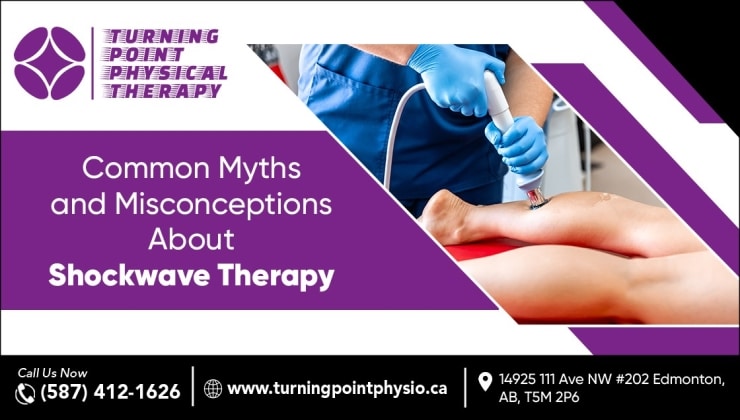
Shockwave therapy is an innovative treatment for a variety of musculoskeletal conditions. It promotes healing and pain relief through high-energy sound waves. Physiotherapists use shockwave therapy in Edmonton to treat several conditions. Despite its growing popularity and proven effectiveness, several myths and misconceptions surround this therapy.
Understanding Shockwave Therapy:
Extracorporeal Shock Wave Therapy (ESWT), known as shockwave therapy, fosters healing and relieves pain across various musculoskeletal conditions. Shockwave therapy in Edmonton provides practical techniques for managing a range of musculoskeletal symptoms, including:
- Chronic Pain: Persistent pain in areas such as the shoulder, elbow, knee, or heel, often due to tendinitis or bursitis.
- Inflammation: Conditions such as plantar fasciitis or tennis elbow, where conventional treatments may not provide sufficient relief.
- Limited Mobility: Issues affecting joint mobility, such as calcific shoulder or hip pain, that hinder daily activities and movement.
- Soft Tissue Injuries: Soft tissue injuries involve tendons and ligaments and may result from overuse, sports activities, or repetitive strain.
Techniques Used in Shockwave Therapy
Shockwave therapy treatment employs focused, high-energy acoustic waves directed at the affected area. The techniques include:
- Radial Shockwave Therapy (RSWT): Utilizes a handheld device that emits radial waves spreading outwards from the applicator. It’s effective for treating superficial musculoskeletal issues and trigger points.
- Focused Shockwave Therapy (FSWT) delivers a more concentrated wave directly to the targeted tissue, ideal for deep-seated conditions like chronic tendonitis or calcificatiHigh-energy shockwave Therapy (H) provides a powerful burst of energy focused on specific areas, beneficial for severe cases or deep tissue injuries requiring intensive treatment.
Debunking Common Myths About Shockwave Therapy
Myth 1: Shockwave Therapy is Painful
Fact: Many people assume that shockwave therapy is painful because it involves high-energy sound waves. However, most patients experience only mild discomfort during the procedure. The intensity is adjusted based on the patient’s pain threshold, and any discomfort typically subsides shortly after the treatment.
Patients often describe the sensation during shockwave therapy as a slight tapping or pressure on the skin rather than pain. This manageable discomfort indicates that the treatment effectively targets the affected area without causing undue distress.
Myth 2: Shockwave Therapy is Only for Athletes
Fact: While shockwave therapy is popular among athletes for treating sports injuries, it is not limited to them. This therapy is beneficial for anyone suffering from chronic pain or musculoskeletal conditions such as plantar fasciitis, tendinitis, and calcific shoulder. It is suitable for a wide range of patients.
In addition to other athletes, individuals with conditions like chronic heel pain from plantar fasciitis or shoulder pain due to calcific deposits can benefit significantly from shockwave therapy. It’s used across different age groups and activity levels to promote healing and restore mobility.
Myth 3: Shockwave Therapy is a Quick Fix
Fact: It is not an instant option for healing. It stimulates the body’s natural healing processes, which may take several sessions, and sometimes significant improvements are noted. Patients often begin seeing results after three to five treatments, but the healing continues even after the therapy sessions.
Like any rehabilitation process, shockwave therapy requires patience and adherence to the treatment plan for optimal results. Patients experience a gradual improvement in pain relief and mobility as the therapy enhances tissue repair and reduces inflammation over time.
Myth 4: Shockwave Therapy Has Severe Side Effects
Fact: Shockwave therapy, due to its non-invasive nature and minimal side effects, is a safe choice for numerous patients seeking relief from musculoskeletal pain and injuries. Some patients experience swelling, but these effects are mild and short-lived.
The mild side effects of shockwave therapy, such as temporary skin discoloration or localized tenderness, usually resolve within a few days. These reactions are manageable and do not significantly interfere with daily activities or ongoing treatment sessions.
Myth 5: Shockwave Therapy is Expensive and Unaffordable
Fact: While shockwave therapy can be expensive, insurance plans often cover it, especially when recommended by a healthcare professional. Additionally, considering its effectiveness in treating chronic pain and preventing the need for more invasive procedures, shockwave therapy can be a cost-effective treatment in the long run.
Many insurance providers recognize the therapeutic benefits of shockwave therapy for conditions like chronic tendonitis or persistent musculoskeletal pain. This coverage helps make the treatment accessible to patients seeking alternative pain management and injury recovery options.
Myth 6: Shockwave Therapy is Only for Treating Bone Conditions
Fact: Shockwave therapy is not limited to treating bone conditions. It also effectively addresses soft tissue problems such as tendinitis, ligament injuries, and myofascial pain syndrome. The treatment enhances blood circulation and promotes tissue regeneration, making it useful for various conditions.
Beyond fractures or bone spurs, shockwave therapy alleviates soft tissue disorders like chronic Achilles tendonitis or tight muscles causing myofascial pain. Its ability to stimulate healing at the cellular level extends its application to various musculoskeletal issues.
Myth 7: Anyone Can Perform Shockwave Therapy
Fact: Shockwave therapy should administered only by trained physiotherapists. Proper diagnosis, application, and monitoring are crucial for treatment effectiveness and safety. Professionals who perform shockwave therapy undergo specific training to ensure they can deliver optimal results.
Qualified physiotherapists and healthcare providers with specialized training in shockwave therapy understand the nuances of treatment protocols and patient management. Their expertise ensures accurate diagnosis, pretherapy application, and comprehensive care throughout the treatment cycle.
Experience Effective Pain Relief with Shockwave Therapy
Shockwave therapy in Edmonton offers an effective treatment for various musculoskeletal conditions. By debunking these common myths and misconceptions, it’s clear that this therapy is a viable option for many patients, offering pain relief and promoting healing without significant discomfort or risk. Are you struggling with chronic pain or a persistent injury? Don’t let myths and misconceptions hold you back from seeking effective treatment. Contact Turning Point Physical Therapy in Edmonton today to schedule a consultation and learn shockwave treatment helps you achieve lasting pain relief and improved function.
Take the first step towards a pain-free life today!
